Begonia fischeri Care

Begonia fischeri

About Begonia fischeri

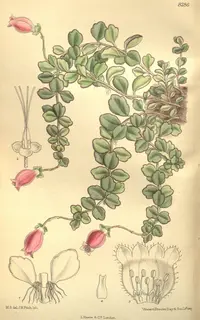
Begonia fischeri is a compact, rhizomatous begonia valued for its dense foliage and generous flowering. It typically forms a low mound with green, often slightly textured leaves and clusters of small, bright flowers.

This species originates from Brazil, where it grows in warm, humid, partially shaded habitats. Its relatively modest size and attractive growth habit make it suitable for pots, shaded patios, and indoor displays.

It is considered moderately easy to grow, provided it receives stable warmth, bright but indirect light, and evenly moist, well-drained soil. Understanding how to care for Begonia fischeri helps prevent common problems such as leaf scorch and root rot, especially in indoor conditions.

Main Plant Requirements

Care Difficulty

Moderate Care

Light Preference

Bright Indirect Light

Water Requirements

Moderate Water

Temperature Preference

Tropical / Frost Sensitive

Hardiness Zone

Unknown

Soil Texture

Loamy, Peaty, Organic-rich

Soil pH

Acidic (5.5–6.5)

Soil Drainage

Moist but well-drained

Fertilization

Light (every 4–6 weeks)

Get Personalized Care Plan

Scan your plant to receive care tips personalized for your specific plant

Available on iOS and Android

How to Care for the Begonia fischeri

This species prefers bright, indirect light with some gentle direct sun.

  • Provide 3–5 hours of soft morning sun with afternoon shade or dappled light; east or lightly shaded south exposure suits Begonia fischeri well.
  • Avoid strong midday and late-afternoon sun, which can scorch leaves, cause brown patches, and fade flower color, especially in hot, dry climates.
  • In summer, use filtered light under taller plants or shade cloth; in winter, move slightly closer to windows or brighter spots to compensate for shorter days.

Watering should keep the root zone evenly moist but not saturated.

  • Let the top 2–3 cm of soil dry before watering, using a finger check rather than a fixed schedule to guide timing.
  • Water slowly until excess drains away, then discard runoff; use a loose, well-drained mix so roots receive air and do not sit in standing water.
  • Reduce frequency in cooler seasons; watch for yellowing, mushy stems as a sign of overwatering, and crisp, drooping leaves as a sign of underwatering.

This plant grows best in mild, frost-free conditions.

  • Aim for 65–78°F (18–26°C) during active growth for steady foliage and flowering.
  • Protect from temperatures below 50°F (10°C); light frost can kill top growth, so lift or heavily mulch outdoor plants in cold-winter regions.
  • In hot spells above 86°F (30°C), provide shade and extra airflow, and avoid placing the plant near heat-reflective surfaces such as concrete or metal.

This species benefits from moderate to high air humidity for steady growth.

  • Aim for 50–70% humidity, as very dry indoor air slows leaf and flower development in Begonia fischeri.
  • Watch for crispy leaf edges, tight leaf buds, and stalled growth as signs humidity is too low.
  • Group plants, place trays with water and pebbles nearby, or use a small humidifier instead of misting leaves directly.

Soil for this species must be light, airy, and fast-draining yet able to hold some moisture.

  • Use a peat- or coco-based mix with added perlite and fine bark to create a loose, organic-rich structure.
  • Aim for slightly acidic to neutral pH around 6.0–7.0 to support nutrient availability and root health.
  • Improve aeration by ensuring at least 30–40% of the mix is chunky materials such as perlite, pumice, or fine bark.
  • Avoid dense garden soil, heavy clay, or mixes that stay wet for more than 2–3 days, which encourages root and stem rot.

This species is well suited to container growing for controlled moisture and display.

  • Choose a pot only 2–4 cm wider than the root ball to prevent the mix from staying wet for too long after watering.
  • Select a stable, heavier container if shoots become top-heavy so the plant does not tip when growing vigorously.
  • Use a pot material that matches your climate, such as terracotta to slightly reduce moisture retention in humid or cool conditions.

Balanced feeding supports steady growth and flowering for Begonia fischeri in active seasons.

  • Apply a balanced liquid fertilizer (around 10-10-10 or 20-20-20) at 1/4–1/2 strength every 2–4 weeks in spring and summer on moist soil.
  • Use a thin layer of fine compost as a top-dressing once in spring to improve soil structure and micronutrients.
  • Avoid feeding in late fall and winter when growth slows, preventing weak, soft growth and salt buildup.
  • Flush the pot with plain water every 4–6 weeks during the growing season to reduce fertilizer salts around the roots.

Thoughtful pruning keeps Begonia fischeri compact, tidy, and flowering well.

  • In late winter or early spring, remove dead, diseased, or damaged stems with clean, sharp scissors or pruning snips.
  • Pinch or cut back leggy, stretched shoots above a leaf node to encourage bushier branching and more flowering points.
  • Thin crowded stems to improve air movement and light penetration, reducing fungal problems in dense foliage.
  • Remove spent flower stems close to their base to focus energy on new growth rather than seed production.

Occasional repotting keeps roots healthy and supports consistent growth in containers.

  • Check for roots circling the pot, pushing from drainage holes, or slow, weak growth as signals to move Begonia fischeri to a larger container.
  • Plan repotting for early spring, every 1–2 years, using a slightly larger pot with fresh, well-drained, humus-rich mix.
  • Water lightly the day before, then slide the plant out, gently loosen circling roots, and remove some exhausted soil from the root ball.
  • After repotting, water thoroughly once, keep in bright but indirect light, and reduce watering slightly for 1–2 weeks to limit root stress.

Routine propagation maintains backup plants and renews older specimens.

  • Use stem cuttings in late spring or summer, selecting non-flowering shoots with 2–4 leaves for best rooting response.
  • Insert cuttings into a moist, airy medium such as 50% perlite and 50% peat or coco coir, with optional rooting hormone on the cut end.
  • Provide bright, indirect light, 70–75°F warmth, and high humidity under a clear cover with gentle ventilation to prevent rot.
  • For division, separate healthy clumps at repotting time, keeping several stems and roots per piece, then pot each division and keep evenly moist.

Cold-sensitive plants require thoughtful winter management in temperate climates.

  • Begonia fischeri is not frost hardy; move container plants indoors before temperatures drop near 40°F, using bright, indirect light.
  • Reduce watering in winter, allowing the top layer of soil to dry more between waterings, as growth slows in cooler, lower-light conditions.
  • In mild climates, if grown in the ground, add a light mulch around the root zone, taking care not to bury stems to prevent rot.

Care Tips

Pot size control

Use a relatively shallow, snug pot and move up only 2–3 cm in diameter when roots fill the container, as oversized pots stay wet too long and reduce flowering when growing Begonia fischeri.

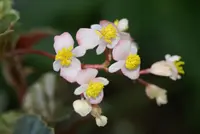
Targeted deadheading

Remove individual spent flowers by snapping or cutting them off at the base of the stalk, leaving surrounding leaves intact to encourage continuous bud production through the season.

Seasonal light shift

In late autumn, gradually move the plant to a slightly brighter but still indirect position to compensate for shorter days and help maintain compact growth and flowering.

Airflow management

Provide gentle horizontal airflow with a small fan set on low and not pointed directly at the plant to reduce fungal leaf spots while avoiding rapid drying of the potting mix.

Preventive pest checks

Inspect the undersides of leaves and young stems weekly with a hand lens if possible, so early signs of mites or thrips are caught and treated before flowers and new growth are damaged.

Common Pests and Diseases

Powdery mildew

This disease causes a white, powdery coating on leaves, often starting on older foliage and shaded areas. Symptoms include distorted growth and a reduction in flowering if humidity is high and air movement is poor.

Solution

Remove heavily affected leaves and increase airflow around the plant by spacing and gentle pruning. Keep foliage dry, avoid overhead watering, and use a sulfur or potassium bicarbonate-based fungicide labeled for ornamentals if the disease continues to spread.

Botrytis blight

This disease produces soft, water-soaked spots on leaves, stems, and flowers that quickly turn brown and develop a gray fuzzy mold, especially in cool, humid conditions. Symptoms include flower bud drop and collapse of tender stems.

Solution

Promptly remove and discard all affected leaves, flowers, and debris, and improve air circulation while reducing humidity around the plant. Water at the base in the morning, keep the plant out of cold drafts, and use a botrytis-targeted fungicide if environmental corrections do not stop new lesions.

Spider mites

These pests cause fine stippling, dulling, and bronzing of leaves, often with delicate webbing on the undersides during warm, dry indoor conditions. This pest can lead to leaf drop and general decline if not controlled early.

Solution

Shower the plant gently with lukewarm water to wash off mites, then wipe leaf undersides if possible. Maintain higher humidity, isolate the plant, and apply insecticidal soap or a horticultural oil to all leaf surfaces, repeating treatments according to the product label until activity stops.

Thrips

These insects rasp at leaf and flower tissues, causing silvery streaks, flecking, and deformed blossoms on the delicate foliage and flowers. This pest often hides in flower buds and leaf folds, making early detection difficult.

Solution

Remove and discard heavily damaged flowers and buds, and gently rinse the plant to dislodge insects. Isolate the plant, place blue or yellow sticky traps nearby to monitor activity, and use insecticidal soap or a systemic insecticide labeled for ornamentals if populations remain active.

Bacterial leaf spot

This disease produces small, water-soaked, translucent spots on leaves that may turn brown with a yellow halo, often spreading rapidly under warm, wet conditions. Symptoms include leaf yellowing and drop, starting from lower, denser foliage.

Solution

Remove affected leaves with sterile tools and avoid wetting the foliage, especially in the evening. Disinfect tools between cuts, increase spacing and airflow, and discard severely affected plants since chemical control is often unreliable for bacterial infections in Begonia fischeri care contexts.

Interesting Facts

Brazilian rock outcrop specialist

Begonia fischeri is native to southeastern Brazil, where it grows on shaded, humid rock outcrops and steep slopes, often in very thin, organic-rich pockets of soil over stone. Its natural microhabitat is cool, airy, and protected from direct sun within Atlantic Forest remnants.

Compact fibrous-rooted habit

Unlike many cane or rhizomatous begonias, this species has a compact, mounding growth form with a fibrous root system rather than thick rhizomes. This structure reflects its adaptation to anchoring in shallow crevices and leaf litter rather than deep, rich forest soil.

Bright tubular flowers

The plant produces small, bright red to orange tubular flowers that are held above the foliage on slender stalks. Their shape and color are associated with pollination by local hummingbirds in its native range.

FAQs about Begonia fischeri

Lack of blooms often comes from insufficient light, heavy feeding with high-nitrogen fertilizer, or the plant being rootbound. Check that it gets bright but indirect light, a balanced fertilizer, and occasional repotting to refresh nutrients.

Grow Healthy Plants with Botan Care

Keep your plants happy and healthy with plant identification, disease detection, and easy care guidance.

Botan plant care app — identify plants on mobile

Explore More Plants