Elephant Ear Care (Alocasia sanderiana 'Nobilis')

Also known as: Kris Plant, Upright Elephant Ear

About Elephant Ear

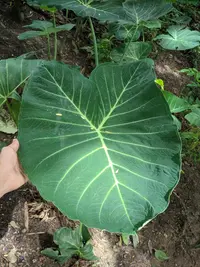
Alocasia sanderiana 'Nobilis' is a tropical aroid grown mainly as a decorative foliage plant. It is valued for its dramatic, arrow-shaped leaves with bold, contrasting veins and a glossy surface. Plants usually grow in a compact clump, sending up new leaves from an underground rhizome.

This cultivar originates from humid, shaded forests in the Philippines, so it prefers warm, stable indoor conditions. It is considered moderately challenging, as it reacts quickly to low humidity, cold drafts, and inconsistent watering. Those who learn how to care for Elephant Ear and provide bright, filtered light, evenly moist soil, and high humidity usually see steady, attractive growth.

Main Plant Requirements

Care Difficulty

Hard Care

Light Preference

Bright Indirect Light

Water Requirements

Keep Soil Moist

Temperature Preference

Tropical / Frost Sensitive

Hardiness Zone

10–11

Soil Texture

Loamy, Peaty, Organic-rich

Soil pH

Acidic (5.5–6.5), Slightly acidic (6.5–7.0)

Soil Drainage

Moist but well-drained

Fertilization

Moderate (every 2–4 weeks)

Get Personalized Care Plan

Scan your plant to receive care tips personalized for your specific plant

Available on iOS and Android

How to Care for the Elephant Ear

This plant prefers bright, filtered light that mimics a forest understory environment.

  • Provide 6–8 hours of bright, indirect light each day, such as near an east window or behind a sheer curtain in brighter exposures.
  • Tolerates light partial shade outdoors, but avoid direct midday and afternoon sun, which can scorch leaves and fade Elephant Ear foliage patterns.
  • In winter, move closer to the brightest window or supplement with a grow light if leaf stalks elongate or new leaves emerge smaller and duller.

This species needs consistently lightly moist soil without staying waterlogged.

  • Water thoroughly when the top 2–4 cm of soil feels dry, allowing excess to drain so roots do not sit in standing water.
  • Increase watering in active growth (spring–summer) as evaporation rises, then reduce slightly in fall–winter while still preventing the root zone from fully drying out.
  • Watch for yellowing, soft stems, or a sour smell as signs of overwatering, and crisp leaf edges or drooping, thin leaves as signs of underwatering in Alocasia sanderiana 'Nobilis'.

Stable, warm conditions are essential for strong growth and healthy foliage.

  • Aim for 70–85°F (21–29°C) for best growth, as cooler conditions slow metabolism and root activity.
  • Protect from temperatures below 60°F (16°C); prolonged exposure near 50°F (10°C) can cause leaf drop, and any frost can kill tissues.
  • In hot spells above 90°F (32°C), increase shade and airflow, and avoid placing the plant near heat sources or cold drafts from doors, windows, or air conditioning vents.

This species needs consistently high humidity to maintain healthy foliage and growth.

  • Aim for 60–80% humidity; levels below 50% often lead to tip burn and curling leaves.
  • Tolerates only brief periods of dry air; prolonged low humidity causes brown edges and slower growth in this Elephant Ear.
  • Increase humidity with a room humidifier, clustered plants, or a pebble tray placed directly under the pot, not in standing water.

Alocasia sanderiana 'Nobilis' prefers a loose, airy, organic-rich mix that drains quickly but retains slight moisture.

  • Use a mix of roughly 40% peat or coco coir, 30% fine bark, 20% perlite, and 10% compost for structure and nutrients.
  • Ensure fast drainage to prevent waterlogging; the mix should feel springy and never compact or sticky after watering.
  • Target a slightly acidic pH around 5.5–6.5, which supports nutrient uptake and reduces risk of micronutrient deficiencies.
  • Improve aeration by adding extra perlite or bark if the pot feels heavy for long periods or roots appear pale and suffocated.

This species is well suited to container growing when the pot supports its upright, top-heavy growth habit.

  • Choose a wide, weighty pot to counterbalance tall stems and broad leaves that can otherwise tip lighter containers.
  • Select slightly porous materials like terracotta only if you can compensate with closer watering to avoid excessive drying.
  • Leave enough surface area between stem bases and pot wall so air can circulate and the crown stays above the moistest soil zone.

Alocasia sanderiana 'Nobilis' benefits from steady, light feeding during active growth for strong foliage and stable Elephant Ear indoor care.

  • Use a balanced liquid fertilizer (around 10-10-10 or 20-20-20) diluted to 1/4–1/2 strength for potted plants.
  • Feed every 2–4 weeks in spring and summer when growth is active, on moist soil to avoid root burn.
  • Pause or reduce feeding to once every 6–8 weeks in fall and winter as growth slows or dormancy starts.
  • Slow-release granules or a thin layer of fine compost can be used at the start of the growing season instead of frequent liquid feeds.

Alocasia sanderiana 'Nobilis' needs light, selective pruning to keep foliage healthy and tidy.

  • Do most pruning in spring or early summer when the plant is actively growing and can replace lost leaves.
  • Remove yellowing, dead, or diseased leaves at the base of the stem to reduce pest and rot risk.
  • Cut out damaged or badly crowded leaves to improve airflow and maintain an upright, uncluttered shape.
  • Use clean, sharp scissors or pruners sterilized with alcohol to prevent spreading fungi and bacteria.

Repotting keeps this Alocasia stable and encourages healthy root development in containers.

  • Plan to repot every 1–2 years in spring when roots circle the pot, emerge from drainage holes, or growth slows without another cause.
  • Choose a pot only 2–5 cm wider with drainage and use an airy aroid mix with bark, perlite, and peat or coco coir.
  • Water lightly, keep humidity high, and provide bright, indirect light for 1–2 weeks after repotting to reduce root stress.
  • Avoid breaking thick rhizomes; handle the root ball gently and remove only loose, rotten, or mushy roots.

This plant is most reliably propagated by division of its rhizomes rather than by seed or stem cuttings.

  • Carry out division in late spring or early summer, combining it with repotting to limit disturbance.
  • Lift the plant gently and separate clumps, ensuring each division has at least 1 healthy growing point and several roots.
  • Dust large cut surfaces with a dry fungicide or cinnamon to lower infection risk before potting.
  • Plant divisions in small pots with warm temperatures, high humidity, and bright, indirect light to encourage new growth.

Cold-sensitive Alocasia sanderiana 'Nobilis' needs warm, frost-free winter conditions, especially in containers.

  • Keep indoor temperatures around 65–75°F and avoid exposure below 55°F to prevent chilling injury.
  • Move container plants away from drafty windows and cold doors, using insulating saucers or stands under pots.
  • Allow the top layer of soil to dry more between waterings in winter while still preventing complete root dryness.

Care Tips

Rotate For Symmetry

Turn the pot 90° every 1–2 weeks so new leaves track the light evenly, which keeps the plant upright and reduces the risk of leaning or root ball instability over time.

Support Heavy Leaves

If petioles start to bend under the weight of large leaves, insert a slim stake near the base and loosely tie stems with soft plant ties to prevent creasing or snapping at the crown.

Warm-Root Placement

Place the container on an insulating surface like a wooden stand or cork mat rather than cold tile or metal to keep root-zone temperature more stable and reduce stress during cooler months.

Proactive Pest Checks

Inspect the undersides of leaves and petiole junctions weekly with a hand lens if possible, so spider mites, aphids, or scale are caught early and managed before they deform new growth when caring for Elephant Ear.

Gradual Seasonal Shifts

In late autumn, reduce handling, repotting, and relocation, then in early spring increase light exposure and resume any planned repotting or propagation so the plant’s seasonal growth cycle is not disrupted by sudden changes.

Common Pests and Diseases

Spider mites

This pest thrives on the thin, glossy leaves in warm, dry indoor air, causing fine stippling, dulling, and webbing along veins and undersides. Symptoms include slowed growth and leaves that yellow or crisp at the edges.

Solution

Shower the foliage with lukewarm water, focusing on leaf undersides, then wipe with a soft cloth to remove mites and webbing. Increase humidity, isolate the plant, and apply insecticidal soap or a horticultural oil spray every 5–7 days for 3–4 cycles, ensuring full leaf coverage each time.

Thrips

These insects rasp the surface of the leaves, leaving silvery streaks, distorted new growth, and small black specks of excrement. This pest is attracted to the narrow, sword-like leaves and can quickly weaken the plant if unnoticed.

Solution

Inspect new leaves and leaf undersides, then rinse the plant thoroughly and remove heavily damaged foliage. Use sticky traps to monitor adults and treat all foliage and petioles with insecticidal soap or neem oil at 7–10 day intervals until no new damage appears, while keeping the plant slightly away from air vents to reduce stress.

Aphids

These insects cluster on tender petioles and new growth, sucking sap and excreting sticky honeydew that can attract sooty mold. Symptoms include curling or deformed young leaves and a sticky film on foliage or nearby surfaces.

Solution

Physically remove aphids by rinsing the plant under a gentle shower or wiping them off with a damp cloth. Follow with a targeted insecticidal soap application to young shoots and leaf undersides, repeating weekly until populations drop, and avoid overfertilizing, which encourages soft, aphid-prone growth.

Bacterial leaf spot

This disease causes water-soaked, translucent lesions that turn dark brown or black, often with a yellow halo along the leaf veins. Symptoms include rapidly expanding spots on the thin leaf blades, especially in warm, stagnant, high-humidity conditions.

Solution

Remove and discard affected leaves promptly, sterilizing scissors between cuts, and avoid wetting the foliage during watering. Improve airflow around the plant, reduce crowding, and allow the top of the potting mix to dry slightly between waterings; in severe cases, discard heavily infected plants to protect nearby aroids and follow strict Elephant Ear care instructions to prevent recurrence.

Fungal leaf blight

This disease appears as irregular tan to dark brown patches that may merge and cause large sections of the leaf to die back from the edges. Symptoms include faster spread in cool, damp rooms or where leaves stay wet for long periods.

Solution

Cut off affected leaf portions with clean, sterilized tools and dispose of them in the trash, not compost. Reduce overhead misting, provide gentle air circulation, keep leaves dry, and water at the soil level; a copper-based or other labeled ornamental fungicide can be used according to directions if cultural changes are not sufficient.

Interesting Facts

Hybrid origin history

This plant is considered a horticultural selection related to Alocasia sanderiana, originally bred and circulated by European plant growers in the late 19th and early 20th centuries during the so‑called aroid craze in ornamental horticulture.

Distinct vein patterning

The narrow, dark green leaves show strongly contrasting, almost metallic-looking primary and secondary veins, a visual effect produced by thickened, pale vascular tissue standing out against a highly pigmented leaf blade.

Restricted natural range

The species Alocasia sanderiana, from which this cultivar derives, is native to Mindanao in the southern Philippines, where it occurs in very limited areas rather than being widespread across Southeast Asia.

FAQs about Elephant Ear

Brown leaf edges usually result from low humidity, salt buildup from fertilizer, or inconsistent watering rather than disease. Improve humidity, flush the potting mix occasionally, and keep moisture even to reduce further browning.

Grow Healthy Plants with Botan Care

Keep your plants happy and healthy with plant identification, disease detection, and easy care guidance.

Botan plant care app — identify plants on mobile

Explore More Plants