Pilea plataniflora Care

Pilea plataniflora

About Pilea plataniflora

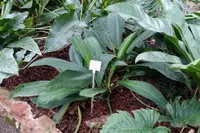
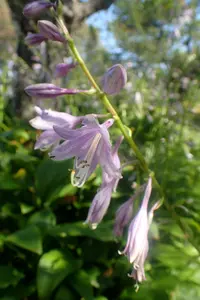
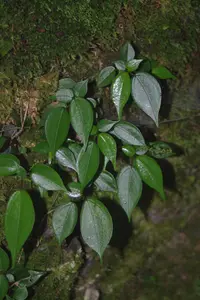
Pilea plataniflora is a small tropical herb from the nettle family, valued mainly as a foliage plant. It typically forms low, leafy clumps with delicate, often slightly glossy leaves on thin stems.

This species is native to humid, shaded habitats in parts of Central and South America, where it grows on forest floors or rocky, mossy sites. Its preference for stable warmth, constant moisture, and good air movement can make it more demanding than common houseplants.

It suits growers who enjoy monitoring humidity and watering closely and who can provide soft, filtered light and a very well-drained, airy mix. For this reason, information on how to care for Pilea plataniflora is especially useful for intermediate plant owners.

Main Plant Requirements

Care Difficulty

Moderate Care

Light Preference

Bright Indirect Light

Water Requirements

Moderate Water

Temperature Preference

Tropical / Frost Sensitive

Hardiness Zone

Unknown

Soil Texture

Loamy, Peaty, Organic-rich

Soil pH

Acidic (5.5–6.5), Slightly acidic (6.5–7.0)

Soil Drainage

Moist but well-drained

Fertilization

Light (every 4–6 weeks)

Get Personalized Care Plan

Scan your plant to receive care tips personalized for your specific plant

Available on iOS and Android

How to Care for the Pilea plataniflora

This species prefers bright, indirect light with some protection from intense midday sun.

  • Provide 6–8 hours of bright, filtered light daily; gentle morning sun is usually safe, while strong afternoon sun can scorch leaves.
  • Tolerates light to medium shade, but stems may stretch and leaves may thin if kept in low light for long periods.
  • In summer, move Pilea plataniflora slightly farther from harsh windows; in winter, shift it closer to bright exposures or supplement with grow lights if growth slows.

Watering should keep the soil lightly moist but never saturated for extended periods.

  • Allow the top 2–3 cm of soil to dry before watering, using a finger test rather than a fixed schedule.
  • Use a free-draining mix and containers or beds with unobstructed drainage to reduce the risk of root rot and sour smells from stagnant water.
  • In warmer months, expect faster drying and more frequent watering; in cooler seasons, slow down if leaves feel soft, translucent, or yellowed from excess moisture.

Stable, warm conditions support steady growth and reduce stress for this plant.

  • Aim for 65–80°F (18–27°C) for best growth, as sustained temperatures below this range slow metabolism and leaf production.
  • Protect from cold drafts and keep above 55°F (13°C); brief dips near this minimum may be tolerated, but frost will damage or kill foliage.
  • In heat above 85°F (29°C), increase air movement and shade to reduce leaf scorch and wilting, while monitoring soil moisture more closely.

This species benefits from moderately humid air but usually adapts to typical home conditions.

  • Aim for 50–60% humidity to keep foliage turgid and reduce edge browning.
  • It tolerates short periods of drier air, but prolonged <40% humidity can cause curled leaves and crispy tips.
  • Increase humidity with a nearby humidifier or grouped plants rather than misting, which adds only brief moisture.

This plant prefers a loose, airy, fast-draining mix that still holds some moisture.

  • Use a peat- or coco-based mix with added perlite and fine bark to create a light, open structure.
  • Ensure rapid drainage so water does not pool; the mix should feel springy, not compacted or sticky after watering.
  • Aim for slightly acidic to neutral pH around 6.0–7.0, which supports balanced nutrient uptake for Pilea plataniflora.
  • Avoid dense garden soil, heavy clay, or mixes with excessive water-holding crystals, which promote root rot and poor aeration.

This species is well suited to container growing when the pot supports its shallow, spreading roots and moisture needs.

  • Choose a wide, relatively shallow pot so roots can spread horizontally without large unused soil volumes staying wet.
  • Select a stable, heavier container if growth becomes top-heavy, reducing the risk of tipping when the substrate is moist.
  • Use slightly porous materials like unglazed clay only if you can water more often, as they accelerate evaporation compared with plastic.

This plant responds well to light, consistent feeding during the active growing season.

  • Use a balanced liquid fertilizer (such as 10-10-10 or 20-20-20) diluted to 1/4–1/2 strength for Pilea plataniflora.
  • Apply every 4–6 weeks in spring and summer when growth is strongest.
  • Skip or reduce feeding to 1 light application in fall and none in winter dormancy.
  • Avoid compost-heavy mixes or slow-release pellets that can build salts in small indoor pots.

Pruning helps maintain a compact, healthy form and encourages fresh foliage.

  • Best time for structural pruning of Pilea plataniflora is late winter to early spring before strong new growth.
  • Use clean, sharp scissors or pruning snips to remove dead, yellowing, or damaged leaves at the base.
  • Thin crowded stems to improve light penetration and airflow, which reduces disease risk.
  • Pinch or trim overly long shoots just above a node to promote branching and denser growth.

Repotting maintains root health and supports steady growth in containers.

  • Plan to repot every 2–3 years in spring when roots circle the pot, growth slows, or watering frequency increases unusually.
  • Choose a pot only 2–5 cm wider with drainage holes and a light, airy houseplant mix to support Pilea plataniflora indoor care.
  • Water lightly the day before repotting, then gently loosen the root ball and trim only dead, mushy, or circling roots.
  • Set the plant at the same soil level, backfill without compacting heavily, water thoroughly, then keep in bright, indirect light for 1–2 weeks to reduce stress.

Propagation is commonly done from stem cuttings taken during the active growing season.

  • Take 7–10 cm non-flowering stem cuttings from healthy Pilea plataniflora in late spring or early summer.
  • Remove lower leaves, leaving 2–3 at the top, and place cuttings in moist, well-draining mix or clean water.
  • Maintain bright, indirect light, high humidity, and stable warmth around 70–75°F for consistent rooting.
  • Once roots reach 2–3 cm, pot individually, keep slightly moist, and avoid strong sun until new growth appears.

This species is frost-sensitive and needs mild, stable conditions during winter.

  • Keep temperatures above 55°F; prolonged exposure below this can cause leaf drop or stem damage in Pilea plataniflora.
  • For container plants outdoors, move indoors before first frost into bright, indirect light.
  • Reduce watering in winter, letting the top 2–3 cm of soil dry to prevent root rot in cool conditions.
  • Avoid cold drafts, heater blasts, and sudden temperature shifts by placing pots away from doors and uninsulated windows.

Care Tips

Encourage Upright Growth

Rotate the pot a quarter turn every 1–2 weeks and lightly pinch back overly long stems to keep the plant compact, balanced, and less prone to leaning or snapping.

Use Shallow, Wide Pots

Choose a pot that is wider than it is deep to suit the shallow, fibrous root system and reduce the risk of soggy lower soil that can lead to root problems.

Timed Repotting Strategy

Plan to repot only when roots circle the pot or water runs straight through, ideally in late spring, to minimize stress and maintain steady growth.

Regular Leaf Dusting

Wipe both sides of the leaves with a barely damp, soft cloth every 3–4 weeks to remove dust, which improves light absorption and reduces hiding spots for pests.

Monitor Hidden Pups

Check the soil surface and just below the rim of the pot for small offsets, then separate and replant them once they have several leaves and a small root system to support long-term growing Pilea plataniflora.

Common Pests and Diseases

Spider mites

This pest appears in warm, dry indoor air and feeds on the undersides of leaves, causing stippling, dull foliage, and fine webbing between stems and petioles.

Solution

Rinse leaves thoroughly with lukewarm water, focusing on leaf undersides, then repeat every few days; increase humidity slightly and, if needed, use an insecticidal soap or neem oil spray labeled for indoor foliage plants, applied according to directions until new growth appears clean.

Fungus gnats

These insects thrive in consistently moist potting mix and their larvae feed on fine roots, leading to slow, weak growth and sometimes yellowing lower leaves.

Solution

Allow the top 2–3 cm of the potting mix to dry between waterings, use a well-draining mix, place yellow sticky traps at soil level to catch adults, and, if the infestation persists, use a biological control such as Bacillus thuringiensis israelensis (BTI) in the irrigation water according to label instructions.

Oedema

This disorder occurs when roots absorb water faster than leaves can transpire it, producing corky, blister-like spots or rough patches on leaves, often on the lower surfaces.

Solution

Reduce watering frequency so the mix partially dries between waterings, improve light to moderate bright levels without direct sun, and ensure the pot has good drainage so excess water can drain freely, which is central to Pilea plataniflora care.

Bacterial leaf spots

This disease produces water-soaked, translucent or dark angular spots on leaves that may enlarge, turn brown, and sometimes cause leaf drop under warm, humid conditions.

Solution

Promptly remove and discard affected leaves, avoid overhead watering and splashing, improve air movement around the plant, keep foliage dry, and, if spread continues, isolate the plant and consider repotting into fresh, clean mix while disinfecting tools and containers.

Interesting Facts

Endemic Andean species

This species is native to high-elevation cloud forests of the northern Andes, where it grows in cool, humid, shaded habitats on mossy rocks and forest floors rather than in open, sunny sites.

Distinct leaf texture

Its leaves are typically thin, matte, and often slightly bullate (gently blistered-looking), an adaptation that can help increase leaf surface area for gas exchange in the diffuse light of cloud forests.

Moisture-loving root system

In its natural habitat it often grows in constantly moist, organic-rich substrates, and its relatively fine, shallow roots are adapted to capture frequent light rains and cloud moisture rather than withstand prolonged drying.

FAQs about Pilea plataniflora

This species suits indoor decoration due to its compact size, textured foliage, and moderate growth. It prefers stable indoor conditions and looks best in simple containers that highlight the leaf shape. Pilea plataniflora indoor care is generally straightforward.

Grow Healthy Plants with Botan Care

Keep your plants happy and healthy with plant identification, disease detection, and easy care guidance.

Botan plant care app — identify plants on mobile

Explore More Plants