Ceropegia lawii Care

Ceropegia lawii

About Ceropegia lawii

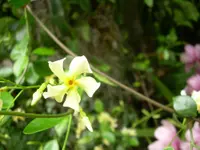
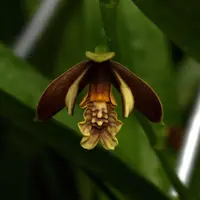
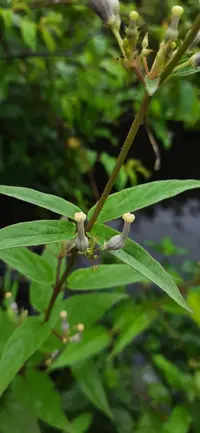
Ceropegia lawii is a small, tuberous succulent vine from India, related to other lantern flower species. It typically produces slender, trailing stems with sparse, fleshy leaves and unusual tubular flowers. The blooms often have a cage-like tip that helps trap pollinators briefly, a characteristic feature of the genus. Its compact root system and slow, controlled growth make it suitable for container culture and hanging pots. This species prefers bright, indirect light, airy soil, and careful watering that allows the roots to dry slightly between waterings. With attention to drainage and light, it is reasonably manageable for growers learning how to care for Ceropegia lawii.

Main Plant Requirements

Care Difficulty

Moderate Care

Light Preference

Bright Indirect Light

Water Requirements

Low Water

Temperature Preference

Tropical / Frost Sensitive

Hardiness Zone

11–12

Soil Texture

Sandy, Loamy, Rocky

Soil pH

Acidic (5.5–6.5), Slightly acidic (6.5–7.0)

Soil Drainage

Well-drained

Fertilization

Minimal (feed rarely)

Get Personalized Care Plan

Scan your plant to receive care tips personalized for your specific plant

Available on iOS and Android

How to Care for the Ceropegia lawii

This species prefers bright, indirect light and gentle sun exposure to maintain compact growth.

  • Provide 4–6 hours of bright, filtered light daily, such as near an east- or south-facing window with sheer curtains or under light shade outdoors.
  • Allow soft morning sun but protect Ceropegia lawii from harsh midday or afternoon sun, which can scorch leaves and fade markings.
  • In winter, move plants closer to the brightest spot or supplement with grow lights if stems elongate and leaf spacing increases, indicating low light.

Watering should respect the plant’s succulent roots and stems, which store moisture and resent prolonged wetness.

  • Let the top 2–4 cm of soil dry before watering, then soak thoroughly and drain; frequency often ranges from every 7–14 days in warm seasons depending on pot size and light.
  • Reduce watering in autumn and winter, allowing the soil to dry almost completely between waterings while ensuring the plant does not shrivel severely.
  • Watch for yellowing, soft, or blackened roots as signs of overwatering, and for wrinkling or limp, thin stems as a cue to water slightly more often.

This plant prefers warm, stable conditions and reacts poorly to frost and sudden temperature swings.

  • Aim for 65–80°F (18–27°C) during active growth, as this range supports steady photosynthesis and healthy root activity.
  • Protect from temperatures below 50°F (10°C); brief drops to 45°F (7°C) may be tolerated, but frost can permanently damage leaves and tubers.
  • In summer, it tolerates up to about 90°F (32°C) if shaded from intense sun and given good air movement; avoid placing it near heat vents, cold drafts, or air conditioners.

This species prefers relatively dry air and rarely needs special humidity management indoors.

  • Aim for 30–50% humidity; average centrally heated homes are usually suitable for Ceropegia lawii.
  • Leaves may wrinkle or feel soft if combined low humidity and underwatering persist.
  • Increase local humidity slightly by grouping plants or placing the pot on a pebble tray, but avoid misting the foliage.

This species requires a fast-draining, airy mix similar to a succulent substrate.

  • Use a base of coarse, sandy or gritty medium combined with a small portion of organic matter such as coco coir or leaf mold.
  • Ensure high drainage by adding 30–50% perlite, pumice, or horticultural grit to any commercial cactus mix.
  • Keep pH slightly acidic to neutral, around 6.0–7.0, which supports nutrient availability without risking toxicity.
  • Avoid heavy garden soil, peat-only mixes, or compacted substrates that stay wet for more than 2–3 days.

This species is well suited to container culture due to its compact root system and trailing stems.

  • Select a pot that is wider than it is deep to support shallow tubers while allowing stems to trail freely over the rim.
  • Choose unglazed terracotta if the growing area is cool or shady to prevent prolonged moisture around the roots.
  • Use a container with multiple drainage holes so excess water exits quickly, reducing the risk of tuber rot in dense root zones.

This succulent vine stays compact and healthy with light, measured feeding rather than heavy fertilization.

  • Use a balanced liquid fertilizer (around 10-10-10 or 20-20-20) diluted to 25–50% strength for Ceropegia lawii.
  • Feed every 4–6 weeks during spring and summer when growth is active.
  • Skip compost-heavy mixes; instead, choose formulations for succulents or cacti in free-draining soil.
  • Stop feeding in fall and winter, resuming only when new growth appears.

Pruning helps maintain a tidy habit and encourages branching on this trailing species.

  • Carry out light pruning in late winter or early spring before vigorous growth starts.
  • Remove dead, damaged, or badly tangled stems with clean, sharp scissors or snips.
  • Shorten overly long vines to encourage side shoots and a fuller hanging shape.
  • Avoid very hard cuts into older, woody sections, as these may reshoot slowly.

This species prefers slightly tight conditions and only occasional repotting in a well-drained mix.

  • Repot every 2–3 years in spring when roots coil at the drainage holes or growth slows.
  • Choose a shallow pot with drainage and a gritty cactus or succulent mix to protect the tuberous roots.
  • Gently loosen circling roots and keep the tuber at roughly the same depth to reduce stress.
  • Water lightly after repotting, then allow the mix to dry between waterings while the plant re-establishes.

New plants are most often produced from stem cuttings and sometimes from viable seed.

  • Take 5–8 cm non-flowering stem cuttings in late spring or early summer from healthy Ceropegia lawii.
  • Allow cut ends to dry for several hours, then place nodes on gritty, barely moist cactus mix.
  • Provide bright, indirect light, 70–80°F warmth, and good air movement for rooting.
  • Seeds, if available, need warmth, light, and consistently lightly moist but free-draining medium.

This plant is frost-sensitive and needs protection in regions with cold winters.

  • Keep indoor temperatures around 60–75°F and prevent cold drafts near windows.
  • In mild climates, move containers indoors before temperatures drop near 40°F.
  • Water sparingly in winter, allowing the potting mix to dry almost completely between waterings.
  • Ensure maximum light indoors, using a grow light if natural light is weak.

Care Tips

Encourage Compact Growth

Pinch back overly long vines just above a node to stimulate branching and create a fuller, more compact plant rather than a few sparse trailing stems.

Use Gentle Supports

Guide young vines onto a small wire hoop, mesh, or mini trellis so they can loop and weave, which keeps the plant tidy and reduces the risk of fragile stems snapping when moved.

Protect Fleshy Tubers

When repotting, handle the tubers carefully and keep them just at or slightly above the soil surface to reduce rot risk and allow easy inspection for damage or pests.

Strategic Light Rotation

Rotate the pot a quarter turn every 2–3 weeks so all sides receive similar light, which helps prevent the vines from leaning strongly to one side and improves overall symmetry when growing Ceropegia lawii.

Check Hidden Pests

Regularly inspect the undersides of leaves, leaf axils, and tight vine tangles for mealybugs or spider mites, and if found, isolate the plant and use a cotton swab dipped in 70% isopropyl alcohol to remove visible insects before they spread.

Common Pests and Diseases

Mealybugs

These insects feed on plant sap and hide in leaf nodes and along the thin vines, leaving white cottony clusters. Symptoms include slowed growth, yellowing leaves, and sticky honeydew on nearby surfaces.

Solution

Isolate the plant, then dab visible mealybugs with cotton swabs dipped in 70% isopropyl alcohol and repeat weekly until gone. For larger infestations, rinse vines gently under lukewarm water, then apply a neem oil or insecticidal soap spray, ensuring good coverage of leaf undersides and vine joints.

Spider mites

These pests thrive in warm, dry indoor air and attack the fine leaves, causing pale stippling, dull foliage, and fine webbing between nodes. This pest can cause leaf drop and overall decline if ignored.

Solution

Shower the plant with a gentle stream of lukewarm water to remove mites and webbing, then treat with insecticidal soap or neem oil, focusing on leaf undersides. Increase humidity slightly and improve air movement, and repeat treatments every 5–7 days for several cycles to break the life cycle.

Aphids

These insects cluster on new shoots, peduncles, and flower buds, sucking sap and causing distortion of young growth. Sticky honeydew and sooty mold may appear on leaves and surrounding surfaces.

Solution

Rinse the plant under a soft stream of water to dislodge aphids, then apply insecticidal soap, ensuring full coverage of tender tips and undersides. Check nearby plants, remove heavily infested shoots if necessary, and repeat treatments at 5–7 day intervals until no new aphids appear.

Edema

This disorder occurs when roots absorb water faster than the leaves can use or release it, often in cool, low-light conditions. Symptoms include small corky, blister-like spots on leaves and sometimes slight leaf deformation.

Solution

Allow the potting mix to dry more between waterings, and ensure the container has sharp drainage suitable for growing Ceropegia lawii. Provide brighter light, avoid sudden overwatering after a dry spell, and keep temperatures stable to reduce stress on the plant’s water balance.

Fungal leaf spot

This disease develops in prolonged humidity and poor air circulation, leading to small brown or dark spots on leaves that may merge over time. Symptoms include premature leaf yellowing and shedding along older sections of the vine.

Solution

Remove and discard affected leaves and any fallen debris from the soil surface, then improve airflow and avoid wetting the foliage when watering. If spots continue to spread, apply a copper-based or sulfur fungicide labeled for houseplants, and maintain vines in a bright, dry, well-ventilated position.

Interesting Facts

Narrow Indian endemic

This species is naturally restricted to parts of western India, especially the northern Western Ghats, where it grows in rocky, seasonally dry habitats. Its wild populations are scattered and often associated with specific cliff and hillside microhabitats.

Trap‑like flower design

The tubular flowers have downward‑pointing hairs that temporarily trap small insects, increasing the chance of effective pollination. Once pollen transfer is likely, the hairs relax and allow the insects to escape.

Underground storage tubers

This plant forms small tubers that store water and nutrients, helping it survive long dry periods in its native monsoonal climate. The tubers allow rapid regrowth when moisture returns.

FAQs about Ceropegia lawii

This species adapts well to bright indoor positions and sheltered outdoor spots in mild climates. Indoors it is easier to control temperature, light, and moisture, which usually results in more reliable growth and flowering.

Grow Healthy Plants with Botan Care

Keep your plants happy and healthy with plant identification, disease detection, and easy care guidance.

Botan plant care app — identify plants on mobile

Explore More Plants