Encourage Compact Form
Rotate the pot 90° every 1–2 weeks and lightly pinch soft stem tips in spring to keep growth compact and prevent stems from becoming weak and stretched.

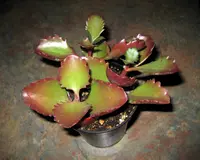
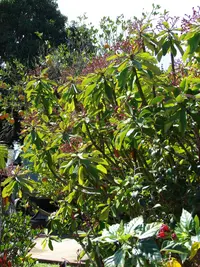
Tugela cliff-kalanchoe (Kalanchoe longiflora) is a small succulent shrub with square, branching stems and paddle-like leaves that often develop red or bronze edges. It typically forms a low, spreading mound and produces tubular yellow flowers above the foliage.
This species comes from rocky cliffs and slopes in South Africa, so it is adapted to bright light, sharp drainage, and dry periods between rains. Its drought tolerance and slow to moderate growth make it relatively straightforward for beginners who want to care for tugela cliff-kalanchoe.
The plant prefers a bright position, low to moderate watering, and a gritty, fast-draining soil mix that prevents water from sitting around the roots.

Care Difficulty
Easy Care

Light Preference
Full Sun

Water Requirements
Low Water

Temperature Preference
Tropical / Frost Sensitive

Hardiness Zone
10–11

Soil Texture
Sandy, Loamy, Rocky

Soil pH
Slightly acidic (6.5–7.0), Neutral (7.0)

Soil Drainage
Well-drained

Fertilization
Minimal (feed rarely)
Scan your plant to receive care tips personalized for your specific plant
Available on iOS and Android
This succulent prefers bright, dry conditions with several hours of direct light daily.
This drought-tolerant succulent prefers thorough but infrequent watering.
This species prefers warm, dry air and does not tolerate frost.
This species handles typical indoor humidity well and rarely needs special humidity management.
This succulent prefers a mineral-rich, very free-draining substrate that dries quickly between waterings.
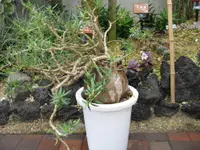
This species is well suited to container growing, both indoors and outdoors in mild climates.
Kalanchoe longiflora benefits from light, targeted feeding during its active growing season in spring and summer.
Pruning Kalanchoe longiflora helps maintain a compact, branching habit and encourages fresh growth.
Repotting Kalanchoe longiflora is needed only when the plant outgrows its container or soil breaks down.
New Kalanchoe longiflora plants are most commonly produced from stem cuttings taken in the warm growing season.
Kalanchoe longiflora is frost tender and needs protection in regions where temperatures drop near or below freezing.

Plant Health Check
Not sure what's wrong with your plant? Check your plant's health inside the app.
This species is naturally restricted to rocky cliffs and sandstone outcrops in KwaZulu-Natal and Mpumalanga in South Africa, where it grows in shallow crevices with minimal soil and strong light exposure.
Its spoon-shaped leaves can shift from grey-green to red or bronze along the margins when exposed to strong sun or drought stress, a response linked to pigments called anthocyanins that help protect tissues from excess light.
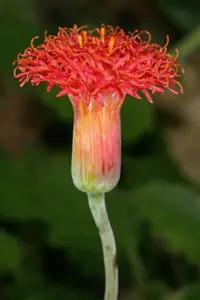
The plant produces distinctive, square-section flowering stems that bear tubular yellow flowers, a feature that makes it easy to distinguish from many other Kalanchoe species with round flower stalks.

This species is considered near-endemic to eastern South Africa, meaning it occurs naturally in a very limited geographic region, largely confined to specific sandstone cliff habitats that make it vulnerable to habitat disturbance.
Under good conditions this species can flower more than once a year, often in late winter or spring and sometimes again later. Consistent light, moderate feeding, and avoiding drought stress help support repeat blooming cycles.
Keep your plants happy and healthy with plant identification, disease detection, and easy care guidance.