Ceropegia fusca Care

Ceropegia fusca

About Ceropegia fusca

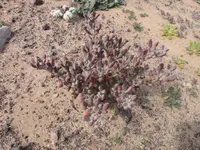
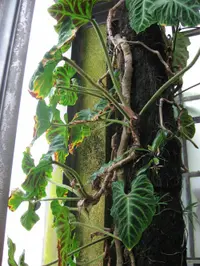
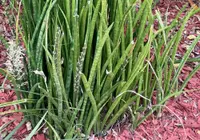
Ceropegia fusca is a succulent perennial vine from the Canary Islands, adapted to dry, rocky habitats. It grows with thin, trailing or climbing stems and small, fleshy leaves. Its unusual tubular flowers have a dark, lantern‑like shape that attracts specialized pollinators in its native range. The plant stores water in its tissues, which makes it relatively tolerant of short dry periods. Because of its slow, compact growth and drought tolerance, it suits bright indoor spaces or protected patios. Those learning how to care for Ceropegia fusca should focus on strong light, very free‑draining soil, and careful watering.

Main Plant Requirements

Care Difficulty

Moderate Care

Light Preference

Full Sun

Water Requirements

Low Water

Temperature Preference

Tropical / Frost Sensitive

Hardiness Zone

10–12

Soil Texture

Sandy, Loamy, Rocky

Soil pH

Slightly acidic (6.5–7.0), Neutral (7.0)

Soil Drainage

Well-drained

Fertilization

Minimal (feed rarely)

Get Personalized Care Plan

Scan your plant to receive care tips personalized for your specific plant

Available on iOS and Android

How to Care for the Ceropegia fusca

This succulent vine prefers bright, dry conditions with controlled direct sun exposure.

  • Provide 4–6 hours of direct morning sun plus bright light the rest of the day; in hotter regions, give Ceropegia fusca light afternoon shade to prevent scorch.
  • Outdoors, use an east or southeast exposure; in very sunny, hot climates, a thin shade cloth or filtered light during 12–4 pm helps protect leaves.
  • If stems stretch, leaves space out, or color pales, light is too low; if tips crisp or yellow, reduce direct midday sun.

This species stores water in its tissues and needs infrequent, careful watering.

  • Water only when the top 3–5 cm of soil are completely dry; in warm active growth this may mean watering every 10–21 days depending on climate and soil.
  • Use a very fast-draining, gritty mix; water deeply, then let excess drain away so roots do not sit in soggy conditions that cause rot.
  • In cooler seasons reduce watering sharply; wrinkles and slight leaf softness indicate thirst, while yellowing, mushy stems, or a sour smell suggest overwatering.

This drought-adapted species prefers warm, stable conditions without frost exposure.

  • Aim for 65–80°F (18–27°C) for best growth; short peaks up to 90°F (32°C) are tolerated if soil is dry and airflow is good.
  • Protect from cold; growth slows below 55°F (13°C), and damage occurs near 40°F (4°C), so shelter plants before temperatures approach this level.
  • Never expose it to frost; in regions with winters below 40°F (4°C), grow it in containers that can be moved to a frost-free, bright, cool-dry area.

This species tolerates typical indoor humidity and only needs modest moisture in the air.

  • Aim for 30–50% humidity, similar to most heated homes, without special humidification.
  • Dry indoor air is usually tolerated, but prolonged levels below 25% can cause leaf edges to crisp.
  • Humidity stress shows as shriveling leaves and slowed growth; group pots or place near other plants to raise local humidity slightly.

This succulent prefers a very airy, fast-draining mineral-rich mix to protect its tubers from rot.

  • Use a cactus mix blended with extra coarse sand or fine gravel for a gritty, open texture.
  • Incorporate 20–40% perlite or pumice to increase aeration and let water drain rapidly.
  • Keep pH mildly acidic to neutral (6.0–7.0), avoiding strongly acidic peat-heavy blends without added grit.
  • Avoid dense loam, clay, or water-retentive mixes, which hold moisture around roots and promote fungal problems.

This species is well suited to container growing, especially in small collections or limited spaces.

  • Choose a pot only slightly wider than the root system so the mix dries evenly between waterings.
  • Use a heavier terracotta or ceramic container if stems become long, as added weight stabilizes trailing growth.
  • Ensure drainage holes stay clear and empty saucers promptly so water does not pool around the tuberous roots.

Feeding needs are modest, as this succulent vine is adapted to lean, rocky soils.

  • Use a balanced liquid fertilizer (around 10-10-10 or 20-20-20) diluted to 25–50% strength during active growth in spring–summer.
  • Apply every 4–6 weeks only when the plant receives adequate light and is producing new stems or leaves.
  • Avoid organic compost-heavy mixes that stay wet; they can cause root problems in Ceropegia fusca.
  • Stop feeding in fall and winter when growth slows, to prevent weak, etiolated shoots.

Pruning is minimal, mainly to maintain shape and vine length.

  • Best time for light pruning is late winter to early spring before strong new growth starts.
  • Use clean, sharp scissors or small pruning shears to remove dead, shriveled, or damaged vines.
  • Shorten overly long, tangled stems to encourage branching and a fuller, more compact plant.
  • Cut just above a node, where leaves attach, to direct energy into healthy new shoots.

This species prefers slightly tight conditions and does not need frequent repotting.

  • Repot every 2–3 years in spring, or when roots circle the pot base or emerge from drainage holes.
  • Choose a shallow container with excellent drainage and a gritty succulent mix to limit moisture around tuberous roots.
  • Lift the plant gently, loosen circling roots with fingers, and remove very old, decayed mix without breaking healthy roots.
  • After repotting, water lightly once, then allow the mix to dry well before returning to a normal watering schedule, reducing stress.

New plants are commonly produced from stem cuttings and occasionally from seeds.

  • Take 5–8 cm non-flowering stem cuttings in late spring or early summer, each with several nodes.
  • Allow cut ends to dry and callus for 1–2 days, then place nodes on or slightly in a gritty, barely moist succulent mix.
  • Maintain bright, indirect light, 70–80°F temperatures, and good air movement to limit rot while roots form.
  • Seeds, if available, need a fast-draining mix, warm conditions, and consistently light moisture for germination.

Ceropegia fusca is frost sensitive and needs protection in climates with cold winters.

  • Keep indoor temperatures around 60–75°F and avoid cold drafts near windows or doors.
  • Move outdoor container plants indoors before temperatures drop below 50°F.
  • Provide bright, indirect light and keep soil almost dry, watering just enough to prevent shriveling.
  • Do not fertilize in winter and avoid repotting, as the plant is semi-dormant and slower to recover.

Care Tips

Tuber-friendly pots

Use a wide, shallow pot and avoid deep containers so the tuberous roots stay in the upper, better-aerated layer of the mix and new shoots can emerge easily along the surface.

Controlled vine training

Guide the vines loosely around a small trellis or hoop instead of letting them tangle tightly, which improves light exposure on each stem and reduces hidden rot or pest pockets in dense knots.

Dry-season rest

In late fall to winter, reduce watering and stop fertilizing for 6–8 weeks to mimic its natural dry rest, which encourages stronger tuber development and better growth in the following season when you resume normal care.

Root health checks

Every 12–18 months, slide the plant gently from its pot to inspect tubers and roots, trimming only clearly dead, mushy tissue and repotting back into fresh, dry mix to prevent chronic rot issues.

Preventive pest monitoring

Inspect the leaf joints and undersides of stems monthly with a hand lens or phone zoom for early signs of mealybugs or spider mites, and isolate and treat promptly so caring for Ceropegia fusca stays focused on growth rather than recovery.

Common Pests and Diseases

Mealybugs

This pest hides in stem joints and along the thin vines, sucking sap and causing stunted growth and distorted new shoots. Symptoms include white, cottony clusters on stems, under leaves, and around tubers if grown in tight pots.

Solution

Isolate the plant, then dab visible insects with cotton swabs dipped in 70% isopropyl alcohol and gently wipe affected areas. Repeat weekly until no new insects appear, and reduce excess nitrogen fertilization while keeping vines spaced for better airflow as part of general Ceropegia fusca care instructions.

Spider mites

These insects thrive in warm, dry indoor conditions, causing fine speckling on leaves and eventual webbing between the thin stems. Symptoms include dull, grayish foliage and tiny moving dots on the undersides of leaves.

Solution

Rinse the plant thoroughly under a gentle lukewarm shower, focusing on leaf undersides and vine nodes, then allow it to dry with good air circulation. For ongoing infestations, use repeated applications of insecticidal soap or horticultural oil every 5–7 days while slightly increasing humidity and avoiding very dry air near heaters or vents.

Aphids

This pest clusters on soft new growth and flower stems, sucking sap and causing curling or distortion of young leaves and buds. Sticky honeydew and occasional sooty mold may appear on stems and nearby surfaces.

Solution

Prune off heavily infested shoot tips and discard them, then wash remaining stems under a gentle stream of water to dislodge insects. Follow with spot treatment using insecticidal soap, repeating every 5–7 days until no aphids remain, and avoid overfertilizing to reduce lush, aphid-prone growth.

Fungal leaf spots

This disease develops in persistently damp, shaded conditions, leading to small brown or black spots on the narrow leaves that may merge and cause premature leaf drop. Symptoms include localized lesions often surrounded by a yellowish halo.

Solution

Remove and discard affected leaves, then improve airflow and ensure the potting mix dries between waterings while avoiding overhead watering. If spotting continues, apply a labeled copper-based or broad-spectrum ornamental fungicide according to directions and keep the plant in bright, indirect light to promote faster drying of foliage.

Soft tuber rot

This disease affects the underground or partially exposed tuberous roots when soil remains wet and poorly aerated, causing them to become soft, brown, and foul-smelling. Symptoms include sudden vine collapse, yellowing, and failure to produce new growth despite adequate light.

Solution

Unpot the plant, trim away all soft or discolored tuber tissue with a sterile blade, and allow healthy pieces to dry and callus for 1–2 days. Replant only firm, clean tubers in a sharply draining succulent mix, use a pot with large drainage holes, and water sparingly, allowing the soil to dry almost completely between waterings to prevent recurrence.

Interesting Facts

Canary Islands endemic

This species occurs naturally only in the Canary Islands, where it grows on dry, rocky slopes and cliffs in Tenerife and surrounding islands as part of the local succulent shrubland flora.

Fleshy, angular stems

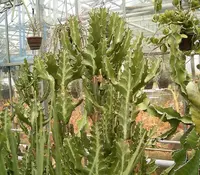
Unlike many other Ceropegia species with slender vines, this plant has thick, 3–5-angled succulent stems that act as water reservoirs adapted to arid, high-sun environments.

Specialized pitfall flowers

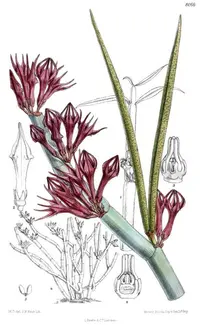
Its tubular, fused flowers form a small temporary trap for visiting insects, using downward-pointing hairs to hold them briefly and release them later to enhance cross‑pollination.

Botan icon

Did you know?

Ceropegia fusca has been regarded as one of the most drought-adapted Ceropegia species, able to survive long dry periods in habitat by relying on its markedly thickened, water-storing stems rather than pronounced underground tubers found in many related species.

FAQs about Ceropegia fusca

This species performs best in bright, sheltered outdoor spots in mild, frost-free climates, but it can also adapt to bright indoor conditions. Good airflow, excellent drainage, and avoiding cold, wet conditions are more important than location.

Grow Healthy Plants with Botan Care

Keep your plants happy and healthy with plant identification, disease detection, and easy care guidance.

Botan plant care app — identify plants on mobile

Explore More Plants