


Provide climbing support
Install a slim trellis, moss pole, or horizontal wires early so the long scandent stems can be tied loosely with soft ties, preventing breakage and encouraging a more compact, layered display.

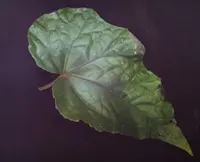
Begonia handelii is a climbing or trailing species begonia, valued for its attractive foliage and delicate, pendant flowers. It typically grows with slender, vine-like stems that can be trained on supports or allowed to cascade from a hanging container.
This species is native to cloud forests in parts of Central or South America, where it experiences cool to mild temperatures and consistently high humidity. Its thin leaves and fine stems reflect a need for stable moisture, good air movement, and protection from harsh sun.
Because it comes from a specialized habitat, it is less forgiving than common houseplant begonias. Understanding how to care for Begonia handelii, especially its moisture and humidity needs, is important for long-term success indoors.

Care Difficulty
Moderate Care

Light Preference
Bright Indirect Light

Water Requirements
Keep Soil Moist

Temperature Preference
Tropical / Frost Sensitive

Hardiness Zone
11–12

Soil Texture
Loamy, Peaty, Organic-rich

Soil pH
Acidic (5.5–6.5)

Soil Drainage
Moist but well-drained

Fertilization
Light (every 4–6 weeks)
Scan your plant to receive care tips personalized for your specific plant
Available on iOS and Android
This species prefers bright, soft light and is sensitive to strong direct sun.
Watering should keep the root zone consistently moist but never saturated.
Stable, mild temperatures support healthy growth and flowering.
This species prefers relatively moist air and reacts quickly to dry indoor conditions.
This species needs a light, airy, organic-rich mix that drains rapidly yet retains some moisture around the roots.
This species is well suited to container culture when the pot is chosen to manage moisture and support its vining habit.
This species responds well to modest, steady feeding during active growth.
Light, selective pruning keeps Begonia handelii compact and healthy.
This plant prefers a slightly snug container and only occasional repotting.
Vegetative propagation is the most reliable way to maintain Begonia handelii traits.
This species is sensitive to frost and needs careful winter management in most climates.

Plant Health Check
Not sure what's wrong with your plant? Check your plant's health inside the app.
This species grows as a scandent or climbing epiphyte, rooting along its stems on tree trunks and rocks in humid forests rather than in deep soil.
Its leaves typically show sharply defined silver or pale green markings along the veins on a darker background, a pattern that helps distinguish it from many other cane and trailing begonias.
Wild populations are associated with cool, moist, high-elevation forest habitats, where filtered light, constant air movement, and high humidity shape its growth form and leaf structure.
Lack of blooms usually comes from insufficient light intensity, inconsistent feeding, or the plant being rootbound. Old, exhausted canes also flower less. Prune lightly after a growth flush and maintain steady nutrients to support flowering.
Keep your plants happy and healthy with plant identification, disease detection, and easy care guidance.

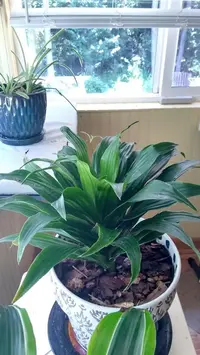
Dracaena
Dracaena fragrans 'Janet Craig Compacta'
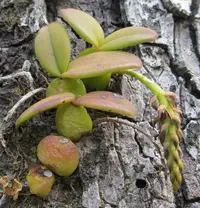
Bulbophyllum elliotii
Bulbophyllum elliotii
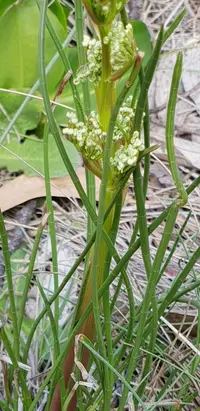
Mountain Aciphyll
Aciphylla simplicifolia
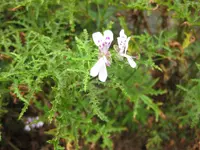
Toothy Storksbill
Pelargonium denticulatum
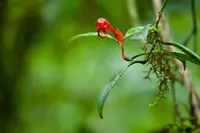
Aeschynanthus hookeri
Aeschynanthus hookeri
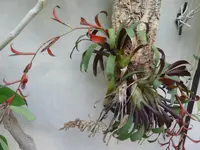
Tillandsia leiboldiana
Tillandsia leiboldiana
Rhipsalis pachyptera
Rhipsalis pachyptera
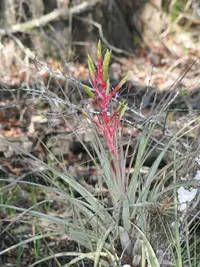
giant airplant
Tillandsia fasciculata