


Control Leaf Sprawl
Rotate the pot every 2–3 weeks and gently lift or redirect outer stems so the leaf pads do not press hard against the rim, which reduces breakage and helps keep the plant evenly shaped.

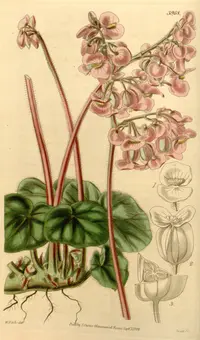
Pennywort begonia (Begonia hydrocotylifolia) is a rhizomatous tropical plant grown mainly for its round, penny-like leaves and low, spreading habit. It forms a dense, ground-hugging mat rather than growing upright.
This species is native to Central America, where it grows in warm, humid forests on the forest floor or along shaded rocky slopes. Its shallow root system and creeping rhizomes make it well suited to pots, shallow containers, and terrariums.
The plant is considered moderately easy indoors if temperature and moisture stay stable. It prefers bright, indirect light, lightly moist but not waterlogged soil, and good air movement, which guides how to care for Pennywort Begonia.

Care Difficulty
Moderate Care

Light Preference
Bright Indirect Light

Water Requirements
Keep Soil Moist

Temperature Preference
Tropical / Frost Sensitive

Hardiness Zone
10–11

Soil Texture
Loamy, Peaty, Organic-rich

Soil pH
Acidic (5.5–6.5), Slightly acidic (6.5–7.0)

Soil Drainage
Moist but well-drained

Fertilization
Light (every 4–6 weeks)
Scan your plant to receive care tips personalized for your specific plant
Available on iOS and Android
This species prefers bright, indirect light that mimics a forest understory environment.
This rhizomatous begonia needs evenly moist but not saturated soil.
This plant grows best in stable, mild temperatures without sudden swings.
This species benefits from moderately high humidity for best leaf health.
This species prefers a loose, airy, organic-rich mix that drains quickly yet holds some moisture.
This species is well suited to container growing when moisture and drainage are carefully balanced.
This species responds well to light, consistent feeding during active growth.
Pruning helps keep Begonia hydrocotylifolia compact, leafy, and healthy.
Repotting maintains root health and stable growth for this shallow-rooted begonia.
This species is most often multiplied by stem cuttings or division.
Begonia hydrocotylifolia is frost-sensitive and needs mild, protected conditions in winter.

Plant Health Check
Not sure what's wrong with your plant? Check your plant's health inside the app.
This species naturally creeps along the forest floor on thin, rooting stems, forming a loose mat rather than an upright clump, which helps it stabilize thin soil and mossy rock surfaces in its native range.
Its round, scalloped leaves closely resemble those of true pennyworts (genus Hydrocotyle), which likely influenced both its common name and the specific epithet hydrocotylifolia, meaning leaves like Hydrocotyle.
In the wild, it is typically found in humid, shaded subtropical forests of Central America, growing in organic-rich leaf litter where consistent moisture and diffused light support its shallow root system.
Brown leaf edges usually come from low humidity, fertilizer burn, or letting the soil dry out completely between waterings. Whole brown patches can indicate sun scorch. Trim damaged leaves and adjust care gradually rather than all at once.
Keep your plants happy and healthy with plant identification, disease detection, and easy care guidance.

 POPULAR
Pink Rock Orchid
Dendrobium kingianum

Satin Pothos
Scindapsus pictus 'Silvery Ann'
Aeschynanthus acuminatus
Aeschynanthus acuminatus
Brassia arachnoidea
Brassia arachnoidea
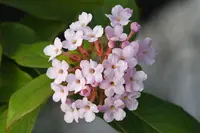
Luculia gratissima
Luculia gratissima
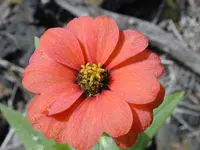
Peruvian zinnia
Zinnia peruviana
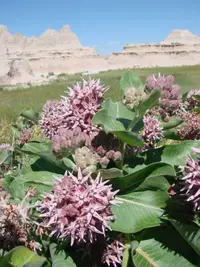
showy milkweed
Asclepias speciosa
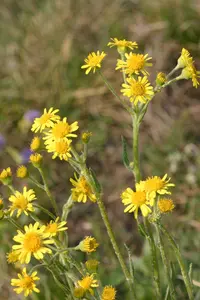
field fleawort
Tephroseris integrifolia