Coral Bells Care (Heuchera 'Marmalade')

About Coral Bells

Coral bells (Heuchera 'Marmalade') is a compact, clump-forming perennial grown mainly for its colorful foliage rather than its flowers. It is often used as edging, in mixed borders, and in containers.

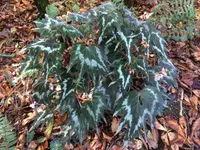
Leaves form a low mound in shades of amber, apricot, and bronze, with wavy edges and a slightly glossy surface. Slender flower stalks may rise above the foliage with small, bell-shaped blooms.

Heuchera species originate from North American woodlands and rocky slopes, so this cultivar typically prefers partial shade, moderate moisture, and well-drained soil. Its hardy nature and tidy habit make it relatively straightforward to grow once you understand how to care for Coral Bells.

Main Plant Requirements

Care Difficulty

Moderate Care

Light Preference

Partial Shade

Water Requirements

Moderate Water

Temperature Preference

Cold Hardy

Hardiness Zone

4–9

Soil Texture

Loamy, Sandy, Organic-rich

Soil pH

Acidic (5.5–6.5), Slightly acidic (6.5–7.0)

Soil Drainage

Moist but well-drained

Fertilization

Light (every 4–6 weeks)

Get Personalized Care Plan

Scan your plant to receive care tips personalized for your specific plant

Available on iOS and Android

How to Care for the Coral Bells

Heuchera 'Marmalade' grows best with bright conditions that avoid harsh, prolonged afternoon sun.

  • Provide 4–6 hours of morning sun or light dappled shade; strong afternoon sun in hot summers can scorch leaves, especially in the South.
  • Plant Coral Bells where they receive filtered light under open trees or on the east or north side of buildings to reduce leaf burn risk.
  • In cooler climates, they tolerate more direct sun, but in warm zones increase shade during summer to prevent faded, crispy foliage.

Heuchera 'Marmalade' prefers evenly moist, well-drained soil rather than constant wetness or drought.

  • Water when the top 2–4 cm of soil feels dry; moisture deeper down should stay slightly damp but not soggy.
  • Improve drainage with organic matter and avoid low spots where water collects, since waterlogged roots increase rot and crown damage risk.
  • In summer dry spells, check soil every 2–3 days; in cooler or rainy seasons, extend intervals and watch for yellowing, mushy leaves as a sign of overwatering.

This perennial is hardy and tolerates a wide temperature range when established in the ground.

  • Optimal growing temperatures are about 55–75°F (13–24°C), with strongest foliage color and growth in mild spring and fall conditions.
  • Heuchera 'Marmalade' typically survives down to about -20°F (-29°C) in the garden if soil drains well and crowns are not exposed by frost heave.
  • During heat above 85–90°F (29–32°C), provide shade and mulch to keep roots cooler, as extreme heat and dry soil can cause wilting and leaf scorch.

This plant handles typical outdoor humidity but benefits from moderately moist air.

  • Aim for 40–60% humidity, which is common in many gardens and shaded patios.
  • Tolerates short spells of dry air, but leaf edges may crisp or brown if drought and low humidity combine.
  • Increase humidity by mulching the soil surface and grouping Coral Bells with other plants to reduce moisture loss around foliage.

This plant prefers loose, humus-rich soil that drains freely yet holds moderate moisture.

  • Use a loamy mix with plenty of organic matter, such as garden loam blended with compost and fine bark.
  • Ensure sharp drainage by incorporating perlite or coarse sand, especially in heavier clay soils.
  • Target a slightly acidic to neutral pH of about 6.0–7.0 for best nutrient availability and root health in Heuchera 'Marmalade'.
  • Avoid compacted, waterlogged, or very shallow soils, which promote crown rot and weak, shallow rooting.

This species is well suited to container growing on patios, balconies, and shaded entries.

  • Choose a pot deep and wide enough to keep the shallow crown just above the soil line, preventing rot at the base.
  • Select a heavier container material, such as ceramic, to stabilize the spreading foliage against wind on exposed sites.
  • Raise the container slightly on pot feet or bricks so drainage holes stay clear and runoff leaves the pot quickly.

Heuchera 'Marmalade' benefits from modest, steady nutrition rather than heavy feeding.

  • Apply a balanced, slow-release fertilizer (around 10-10-10) at half strength once in early spring to support new growth.
  • Supplement with a light top-dressing of compost in late spring to enrich soil and improve structure.
  • Avoid additional fertilizer in late summer to fall so growth can harden before cold weather.
  • During winter dormancy, withhold fertilizer entirely, especially for Coral Bells in cold climates.

Pruning Heuchera 'Marmalade' is mainly about tidying the clump and maintaining healthy foliage.

  • In early spring, remove all dead, tattered, or winter-burned leaves using clean, sharp scissors or hand pruners.
  • Trim spent flower stalks down to the base after blooming to keep the plant compact and encourage fresh foliage.
  • Cut out any crowded or damaged stems to improve airflow and reduce disease risk.
  • Lightly neaten the mound in late summer if stems elongate, but avoid cutting into the crown.

This plant is usually grown in garden beds, so focus on transplanting and dividing mature clumps.

  • Transplant or divide every 3–4 years in early spring or early fall when growth is active but temperatures are mild.
  • Look for a woody, raised crown, sparse centers, or slow growth as signs that Heuchera 'Marmalade' needs lifting and resetting.
  • Lift the clump gently, tease apart or cut sections with several healthy shoots and roots, and replant at the same soil level.
  • Water well after transplanting, provide shade for 3–5 days if sun is strong, and keep soil evenly moist to limit root stress.

Heuchera 'Marmalade' is most reliably propagated by division rather than seed.

  • Divide mature clumps in early spring or early fall, when temperatures are cool and soil is workable.
  • Lift the plant, then separate crowns by hand or with a clean knife, keeping several buds and roots on each piece.
  • Replant divisions at the original depth in well-drained soil, spacing 25–30 cm apart for good airflow.
  • Water thoroughly, then keep soil lightly moist and provide partial shade until new growth is established.

This cultivar is generally cold hardy but benefits from simple winter care in colder regions.

  • In USDA zones around 4–9, the crown usually survives normal winter lows when drainage is good.
  • After the ground freezes, apply a 5–8 cm layer of loose mulch around, but not over, the crown to insulate roots.
  • Leave most foliage in place over winter to shield the crown, removing damaged leaves in early spring.
  • Move container-grown plants into a sheltered, frost-free but cool area, keeping soil just barely moist.

Care Tips

Divide Aging Clumps

Every 3–4 years, lift and divide crowded plants in early spring or early fall to rejuvenate growth, spacing divisions 25–30 cm apart so each has several healthy crowns and roots.

Manage Heaving in Winter

In cold climates, check plants after freeze–thaw cycles and gently firm lifted crowns back into the soil, then top up around the base with a 2–3 cm layer of loose mulch to prevent further frost heaving.

Refresh Mulch Annually

Renew a thin layer of fine bark or leaf mold around, but not touching, the crowns each year to stabilize soil moisture and temperature while avoiding crown rot.

Monitor Vine Weevil

Inspect foliage regularly for irregular notches at leaf edges and, if present, apply a labeled biological control for vine weevil larvae to the soil in late summer to protect the fibrous root system.

Rotate Color Placement

When redesigning beds or containers, move plants slightly every few seasons to positions with similar light but contrasting foliage neighbors so the marmalade-colored leaves do not visually blend into surrounding plants, which helps when monitoring health and caring for Coral Bells.

Common Pests and Diseases

Vine weevils

This pest feeds on the foliage at night, leaving notched leaf edges, while larvae in the soil chew on roots and crowns, causing sudden wilting or collapse.

Solution

Hand-pick adults at night, use corrugated cardboard or boards as traps near plants, and apply beneficial nematodes to the soil in spring and late summer to target larvae. Avoid waterlogged soil and consider replacing very loose, peat-heavy mixes with a more mineral, free-draining medium to reduce larval survival.

Rust

This disease causes small orange, brown, or rust-colored pustules on leaf undersides, often with yellowing patches above and early leaf drop.

Solution

Remove and discard affected leaves promptly and avoid overhead watering to keep foliage dry. Improve spacing and airflow, water at the base, and if the problem persists, use a fungicide labeled for rust on ornamental perennials, following label directions carefully.

Leaf spot

This disease produces tan, brown, or purplish spots on leaves that may merge into larger blotches, leading to thinning and reduced vigor.

Solution

Cut off and discard affected leaves to reduce spread, keep spent foliage cleaned up, and water at soil level rather than on the leaves. Improve airflow and, in severe or recurring cases, apply a targeted ornamental leaf-spot fungicide during warm, wet periods according to label directions.

Crown rot

Symptoms include soft, dark, or mushy crowns at soil level, often with yellowing, wilting, and easy pull-out of the plant, usually in poorly drained or compacted soil.

Solution

Dig out and discard affected plants and any heavily contaminated surrounding soil, then replant only in well-drained beds or raised areas with added grit or bark for structure. Water deeply but less frequently, avoid burying the crown, and do not mulch directly against the plant base to support healthier growing Coral Bells.

Aphids

These insects cluster on new growth and leaf undersides, sucking sap and causing curling, distortion, and sticky honeydew that can attract sooty mold.

Solution

Dislodge colonies with a strong stream of water, then use insecticidal soap or horticultural oil on leaf undersides and young shoots, repeating as needed. Encourage natural predators such as lady beetles and avoid high-nitrogen fertilizers that drive very soft, aphid-prone growth.

Interesting Facts

Color-changing foliage

The leaves emerge bright amber to orange in cool seasons and often shift toward pinkish or bronze-green tones in summer heat, creating a natural multi-season color display without flowers.

Complex hybrid background

This cultivar is a complex hybrid derived from several Heuchera species, including shade-tolerant woodland types and more sun-tolerant western species, which gives it better adaptability to varied light and soil conditions than many older coral bells.

Everblooming potential

In mild climates with adequate moisture, the plant can send up multiple flushes of small, airy flower spikes from late spring into late summer, providing extended interest for pollinators such as small bees.

Botan icon

Did you know?

Heuchera 'Marmalade' was selected primarily for stable foliage color rather than flower performance, and its introduction helped shift ornamental breeding focus toward long-lasting leaf display in shade perennials rather than relying mainly on short-lived blooms.

FAQs about Coral Bells

Leaf browning usually comes from heat or sun scorch, dry soil, excess fertilizer, or winter wind burn. Check soil moisture, move to gentler light if edges crisp, reduce fertilizer, and trim damaged foliage to encourage new growth.

Grow Healthy Plants with Botan Care

Keep your plants happy and healthy with plant identification, disease detection, and easy care guidance.

Botan plant care app — identify plants on mobile

Explore More Plants