Jewel Alocasia Care (Alocasia baginda 'Dragon Scale')

Also known as: Elephant's Ear

About Jewel Alocasia

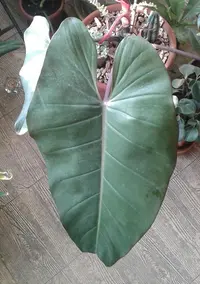
Alocasia baginda 'Dragon Scale' is a compact tropical aroid prized for its sculpted, metallic-looking leaves. The foliage has raised, dark green veins over a silvery to deep green surface, resembling reptile scales.

This plant grows from underground corms and forms a clumping habit rather than long trailing vines. It comes from humid forests in Borneo, where it grows on the forest floor under filtered light.

Its beauty comes with moderate difficulty, as it reacts quickly to low humidity, cold drafts, and inconsistent watering. Understanding how to care for Jewel Alocasia starts with stable warmth, evenly moist but airy soil, and gentle, indirect light.

Main Plant Requirements

Care Difficulty

Hard Care

Light Preference

Bright Indirect Light

Water Requirements

Keep Soil Moist

Temperature Preference

Tropical / Frost Sensitive

Hardiness Zone

10–11

Soil Texture

Loamy, Peaty, Organic-rich

Soil pH

Acidic (5.5–6.5), Slightly acidic (6.5–7.0)

Soil Drainage

Moist but well-drained

Fertilization

Moderate (every 2–4 weeks)

Get Personalized Care Plan

Scan your plant to receive care tips personalized for your specific plant

Available on iOS and Android

How to Care for the Jewel Alocasia

Alocasia baginda 'Dragon Scale' grows best in bright, indirect light that mimics dappled forest shade.

  • Provide 6–8 hours of bright, filtered light daily, such as near an east or north-facing window or under light sheer curtains indoors.
  • Outdoors, place it in partial shade with morning sun and shaded or filtered afternoon light to prevent leaf scorch and fading of the raised venation seen in Jewel Alocasia.
  • Avoid harsh midday or strong afternoon sun, which causes yellow or crispy patches, and avoid deep shade, which leads to thin, stretched stems and smaller leaves.

Alocasia baginda 'Dragon Scale' prefers evenly moist but not waterlogged soil around its roots.

  • Water when the top 2–3 cm of soil feels dry, then water thoroughly until excess drains away, avoiding any standing water around the root zone.
  • Use a loose, fast-draining mix (for example, potting soil with perlite and bark) so excess moisture does not sit around the corm and cause rot.
  • Reduce watering in cooler, low-light months when growth slows; drooping, dry leaf edges suggest underwatering, while yellowing lower leaves and a sour smell indicate overwatering.

Stable warmth is important for strong growth and leaf quality in Alocasia baginda 'Dragon Scale'.

  • Aim for 70–80°F (21–27°C) during active growth; short dips to 65°F (18°C) are tolerated but growth slows below this.
  • Protect the plant from temperatures below 55°F (13°C); it is not frost hardy and prolonged exposure near 40°F (4°C) can cause leaf loss and corm damage.
  • In hot weather above 85°F (29°C), increase airflow and shade from intense sun to prevent stress, and avoid placing it near cold drafts, air conditioners, or heat vents.

This species prefers high humidity for stable foliage and root health.

  • Aim for 60–80% humidity; standard heated homes are often too dry for consistent growth.
  • Dry air causes curled leaf edges, brown tips, and stalled new leaves, especially in Jewel Alocasia.
  • Increase humidity with a room humidifier, grouped plants, or a pebble tray placed directly under the container.

This plant needs loose, airy, organic-rich soil that drains quickly yet retains some moisture.

  • Use a mix of roughly 40% peat or coco coir, 30% fine bark, 20% perlite, and 10% compost for Alocasia baginda 'Dragon Scale'.
  • Ensure rapid drainage; water should exit the pot within seconds, not pool on the surface or inside the container.
  • Keep soil slightly acidic to neutral, around pH 5.5–7.0, which supports nutrient uptake and root function.
  • Avoid heavy garden soil, pure compost, or mixes that compact, as they limit oxygen and encourage root rot.

This species is well suited to container culture when pot choice supports its sensitive roots.

  • Select a slightly snug pot so the root zone fills the container without leaving a large mass of unused, soggy mix.
  • Choose a stable, heavier pot material if foliage makes the plant top-heavy, reducing the risk of tipping after watering.
  • Use a pot with multiple drainage holes and elevate it on pot feet so excess water clears quickly from the bottom.

This plant benefits from light, consistent feeding during active growth but reacts badly to excess salts.

  • Use a balanced liquid fertilizer (around 10-10-10 or 20-20-20) at 1/4–1/2 strength for caring for Jewel Alocasia.
  • Apply every 4–6 weeks in spring and summer when new leaves appear and growth is steady.
  • Skip or greatly reduce feeding in fall and winter when growth slows or dormancy begins.
  • Flush the pot with plain water every 2–3 months to limit fertilizer salt buildup around the roots.

Alocasia baginda 'Dragon Scale' needs only light, hygiene-focused pruning rather than shaping cuts.

  • Best time to prune is in spring or early summer when the plant is actively growing.
  • Remove yellowing, dead, or damaged leaves at the base with clean, sharp scissors or pruners to reduce disease risk.
  • Cut off crowded or inward-facing leaves only if they block airflow or light to healthy foliage.
  • Disinfect tools before and after use to prevent spreading fungal or bacterial problems between plants.

This species prefers a snug pot and dislikes frequent root disturbance.

  • Repot every 1–2 years in spring when roots circle the pot, emerge from drainage holes, or growth slows despite good care.
  • Choose a container 2–3 cm wider with excellent drainage and use a chunky aroid mix with bark, perlite, and airy organic matter.
  • Gently loosen circling roots but avoid heavy root pruning to reduce transplant shock.
  • Water thoroughly after repotting, then keep slightly on the drier side for 7–10 days while roots recover.

Division of rhizomes or offsets is the most reliable way to increase Alocasia baginda 'Dragon Scale' plants.

  • Best season is late spring to early summer, timed with repotting and active root growth.
  • Separate offsets or rhizome sections with at least one healthy growth point and some roots attached.
  • Plant divisions in a small pot with airy, well-drained mix and maintain 70–80°F, high humidity, and bright, filtered light.
  • Keep soil just slightly moist, not wet, until new leaves and roots confirm successful establishment.

This tropical plant is not frost tolerant and needs warm, stable conditions in winter.

  • Move containers indoors before temperatures drop below 55°F and situate in bright, indirect light.
  • Maintain indoor temperatures around 65–80°F and avoid cold drafts, heater blasts, or sudden fluctuations.
  • Water less often, allowing the top layer of soil to dry, since growth slows and roots are prone to rot.
  • If foliage dies back, keep the rhizome in barely moist soil and resume normal care as new growth appears in spring.

Care Tips

Acclimate After Purchase

After bringing the plant home, keep it in its nursery pot for 2–3 weeks so it can acclimate to your environment before repotting, which reduces stress and leaf loss.

Rotate For Even Growth

Turn the pot 90° every 1–2 weeks to keep new leaves oriented upright and prevent the plant from leaning or stretching to one side.

Use Stable Support

If petioles start to arch or bend, insert a small hoop stake or discreet support ring around the clump to keep leaves upright without tying or constricting stems.

Warm-Root Placement

Place the pot on an insulating surface like a wooden board or cork mat rather than directly on cold stone or tile floors, since cooler root zones can slow growth and encourage root stress.

Prevent Spider Mites

Inspect the undersides of leaves weekly and wipe them gently with a damp, soft cloth to remove dust and potential mites, which is a key part of caring for Jewel Alocasia in dry indoor air.

Common Pests and Diseases

Spider mites

This pest thrives in warm, dry indoor air and feeds on the thin, textured leaves, causing stippling, dulling, and fine webbing, especially on undersides. Symptoms include slowed growth and leaves that lose their metallic sheen.

Solution

Rinse foliage thoroughly with a strong, lukewarm shower, focusing on leaf undersides, then wipe with a soft cloth. Follow with repeated applications of insecticidal soap or neem oil every 5–7 days for 3–4 cycles, while raising humidity to 60–70% and keeping the plant away from hot, dry drafts to prevent reinfestation.

Thrips

These insects scrape and suck sap from the thick leaves, creating silvery streaks, distorted new growth, and black specks of excrement along veins and margins. Symptoms include scarring on the decorative leaf surface that does not recover even after control.

Solution

Isolate the plant, remove heavily damaged leaves, and rinse all foliage carefully. Use sticky traps near the plant to monitor adults and treat foliage (especially new leaves and petioles) with insecticidal soap or a systemic insecticide labeled for indoor use, repeating every 7–10 days while improving air movement and avoiding plant stress to reduce susceptibility.

Root rot

This disease develops quickly in compact, moisture-retentive mixes and oversized pots, leading to yellowing foliage, drooping petioles, and a sour smell from the substrate. Symptoms include mushy, brown roots in a plant that stays wet for a long time after watering.

Solution

Unpot the plant, trim away all brown or mushy roots with sterilized tools, and repot into a fresh, chunky, fast-draining mix with a smaller, well-drained pot. Allow the top 3–4 cm of soil to dry between waterings, discard any standing water in saucers, and maintain moderate, stable warmth (70–80°F) to encourage new healthy root growth, which is central to Alocasia baginda 'Dragon Scale' plant care.

Bacterial leaf spot

This disease causes water-soaked, translucent patches that turn brown with yellow halos, often starting along veins or mechanical injuries on the leaf surface. Symptoms include irregular lesions that may ooze slightly when very fresh and can spread quickly in warm, humid, stagnant air.

Solution

Immediately remove and discard affected leaves, sterilizing scissors between cuts, and avoid overhead watering or splashing water on foliage. Improve air circulation, reduce humidity slightly, keep leaves dry, and in severe or recurrent cases discard heavily infected plants to protect nearby specimens, then disinfect pots and tools before reuse.

Fungal leaf blight

This disease appears as brown or gray necrotic spots that expand along the dramatic leaf texture, sometimes with a pale or yellow margin, especially if water sits on the foliage in low light. Symptoms include patchy dieback on leaves that can merge into large blighted areas from the edges inward.

Solution

Remove and discard all spotted or collapsing leaves and clean fallen debris from the soil surface to reduce spore load. Avoid misting, water only at the soil level in the morning, increase airflow around the plant, and if spread continues, apply a copper-based or other labeled houseplant fungicide according to the product directions while reducing overcrowding of nearby plants.

Interesting Facts

Natural limestone specialist

This species is native to limestone-rich forests of Borneo, where it grows in leaf litter over alkaline rock, which helps explain its preference for airy, mineral-rich substrates in cultivation.

Armor-like leaf surface

The strongly raised primary veins and sunken areas between them create a three-dimensional texture that resembles reptile scales, an adaptation that may help channel water and reduce direct surface exposure to intense tropical rainfall.

Variable silver patterning

Clones of this plant show noticeable variation in the amount and distribution of silvery pigmentation on the leaf blades, which is why collectors often distinguish different forms based on how reflective or dark the foliage appears.

FAQs about Jewel Alocasia

Brown, crispy edges usually result from low humidity, irregular watering, or fertilizer burn. Dry indoor air, allowing soil to swing from very wet to very dry, or strong fertilizer can damage delicate leaf tissue over time.

Grow Healthy Plants with Botan Care

Keep your plants happy and healthy with plant identification, disease detection, and easy care guidance.

Botan plant care app — identify plants on mobile

Explore More Plants