Pinch For Bushiness
Regularly pinch back the soft shoot tips every 2–3 weeks in early growth to encourage dense branching and more flower-bearing stems rather than tall, sparse growth.

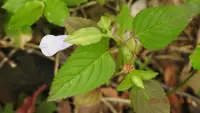
Torenia violacea is a small, soft-stemmed flowering annual often used in borders, containers, and shaded garden spots. It forms a low, branching mound covered with trumpet-shaped blooms.
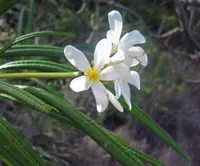
Flowers typically show contrasting throat markings in purple, violet, or white, giving a bright, detailed look at close range. Foliage is light to medium green and stays relatively compact.
This species occurs naturally in warm, humid regions of Asia, often in partially shaded, moist habitats. It tends to be forgiving if soil stays evenly moist and drainage is good.
Light shade, moderate watering, and a reasonably fertile, loose soil make it easier to care for Torenia violacea, even for less experienced growers.

Care Difficulty
Moderate Care

Light Preference
Partial Shade

Water Requirements
Keep Soil Moist

Temperature Preference
Tropical / Frost Sensitive

Hardiness Zone
10–11

Soil Texture
Loamy, Silty, Organic-rich

Soil pH
Acidic (5.5–6.5), Slightly acidic (6.5–7.0)

Soil Drainage
Moist but well-drained

Fertilization
Moderate (every 2–4 weeks)
Scan your plant to receive care tips personalized for your specific plant
Available on iOS and Android
This shade-loving annual prefers bright, gentle light rather than intense sun.
This plant needs steadily moist but never waterlogged soil to flower well.
This species grows best in mild, frost-free conditions.
This species benefits from moderately humid air to keep foliage and flowers healthy.
Torenia violacea grows best in light, moist, well-aerated soil that never stays saturated.
This species is well suited to container growing on patios, balconies, or shaded outdoor areas.
Balanced nutrition supports compact growth and abundant blooms in Torenia violacea.
Thoughtful pruning helps Torenia violacea stay compact and produce more flowers.
Transplanting and occasional repotting keep Torenia violacea healthy through its seasonal growth.
Torenia violacea is commonly propagated by seeds and softwood cuttings.
Torenia violacea is usually grown as a warm-season annual and lacks true frost tolerance.

Plant Health Check
Not sure what's wrong with your plant? Check your plant's health inside the app.
Torenia violacea naturally occurs in lightly shaded, moist habitats, where its tubular flowers are adapted to attract small bees that can navigate under canopy cover with limited direct sun.
The flowers typically show a contrasting color pattern with a pale or white throat and darker violet lobes, a visual guide that helps pollinators orient toward the nectar source.
The foliage of Torenia violacea is soft-textured and can release a mild green scent when handled, which may play a role in deterring some small herbivores without being strongly aromatic to humans.
Poor flowering is often linked to excess shade, nutrient imbalance, or heat stress. Ensure moderate light, avoid high-nitrogen fertilizer, keep soil consistently moist but not soggy, and remove spent blooms to direct energy into new flower formation.
Keep your plants happy and healthy with plant identification, disease detection, and easy care guidance.