


Mounting strategy
Use a rough-textured mount such as cork or tree fern and secure the rhizome with soft wire or biodegradable ties so new growths can attach and spread without being constricted.

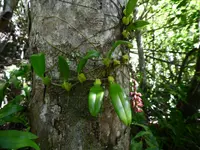
Bulbophyllum incurvum is a small to medium-sized epiphytic orchid, typically growing on tree branches rather than in soil. It forms tight clumps of pseudobulbs with narrow leaves and produces unusual, often arching flower spikes. Native to parts of Asia, it comes from warm, humid forests with good air movement and filtered light. Its compact size and epiphytic habit can suit growers with limited space, but stable humidity and careful watering are important for success. Those learning how to care for Bulbophyllum incurvum should know it prefers bright shade, consistent moisture around the roots, and a very free-draining, airy orchid medium.

Care Difficulty
Hard Care

Light Preference
Bright Indirect Light

Water Requirements
Keep Soil Moist

Temperature Preference
Tropical / Frost Sensitive

Hardiness Zone
11–13

Soil Texture
Peaty, Organic-rich, Loamy

Soil pH
Acidic (5.5–6.5)

Soil Drainage
Moist but well-drained

Fertilization
Light (every 4–6 weeks)
Scan your plant to receive care tips personalized for your specific plant
Available on iOS and Android
This orchid prefers bright, filtered light that mimics dappled forest shade.
This species prefers consistently moist but airy roots rather than a strict wet-dry cycle.
This orchid prefers intermediate to warm conditions with only mild seasonal variation.
This orchid needs high, stable humidity to maintain healthy roots and pseudobulbs.
This species prefers a very airy, fast-draining, organic-rich orchid medium rather than regular potting soil.
This orchid is well suited to container or basket culture due to its compact, creeping growth habit.
This species benefits from light, consistent feeding to support growth and flowering without overloading its fine roots.
Pruning needs are minimal and focus on hygiene rather than reshaping this orchid.
Repotting is infrequent but important to maintain aeration around the fine roots of this epiphytic orchid.
Propagation is usually done by careful division of mature clumps rather than from seed in home conditions.
Cool conditions are tolerated, but this orchid is not frost hardy and needs sheltered winter care.

Plant Health Check
Not sure what's wrong with your plant? Check your plant's health inside the app.
This species naturally grows as an epiphyte on trees in mid‑elevation Himalayan forests, where it experiences cool to intermediate temperatures and frequent mist rather than heavy, prolonged rainfall on the roots.
The specific name incurvum refers to the characteristically incurved labellum (lip) of the flower, a structural feature that helps guide pollinators toward the reproductive parts of the blossom.
Plants form tight clumps of small, closely spaced pseudobulbs on a creeping rhizome, creating dense mats that can cover sizeable portions of host branches over time when conditions are suitable for growing Bulbophyllum incurvum.
Lack of blooms usually comes from insufficient light, mild temperature fluctuation, or too little fertilizer. This orchid needs bright filtered light, slightly cooler nights, and regular but dilute feeding to build enough energy for reliable flowering.
Keep your plants happy and healthy with plant identification, disease detection, and easy care guidance.

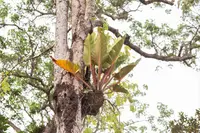
Philodendron melinonii
Philodendron melinonii

Calathea
Goeppertia crocata 'Tassmania'
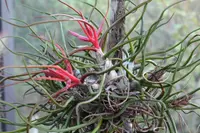
Bulbous airplant
Tillandsia bulbosa
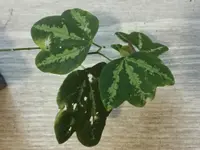
Passiflora trifasciata
Passiflora trifasciata
Dendrobium closterium
Dendrobium closterium
squarestem
Chrysothemis pulchella
Four-Season Orchid
Cymbidium ensifolium
Peperomia acuminata
Peperomia acuminata