lucuba palm Care (Dypsis madagascariensis)

lucuba palm

About lucuba palm

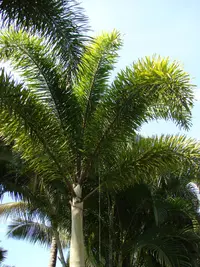
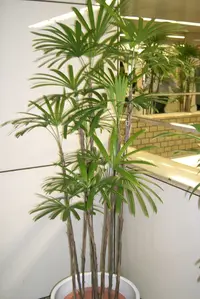
Lucuba palm (Dypsis madagascariensis) is a clumping palm species valued for its multiple slender stems and elegant, feather-like fronds. It typically forms dense, bamboo-like clusters that create a soft, tropical look.

This palm is native to Madagascar, where it grows in warm, humid habitats with filtered light. In cultivation it is considered moderately easy if its need for steady warmth, protection from strong cold, and consistent moisture is respected.

It prefers bright, indirect light, evenly moist but not waterlogged soil, and good drainage, which are the key points to understand when learning how to care for lucuba palm.

Main Plant Requirements

Care Difficulty

Moderate Care

Light Preference

Partial Sun

Water Requirements

Moderate Water

Temperature Preference

Tropical / Frost Sensitive

Hardiness Zone

10–11

Soil Texture

Sandy, Loamy, Organic-rich

Soil pH

Acidic (5.5–6.5), Slightly acidic (6.5–7.0)

Soil Drainage

Moist but well-drained

Fertilization

Light (every 4–6 weeks)

Get Personalized Care Plan

Scan your plant to receive care tips personalized for your specific plant

Available on iOS and Android

How to Care for the lucuba palm

Dypsis madagascariensis prefers bright, indirect light with some gentle direct sun.

  • Provide 3–5 hours of morning sun with filtered or dappled light for the rest of the day; avoid harsh afternoon sun in hot climates.
  • Tolerates light to medium partial shade but growth slows and fronds become sparse if light is too low.
  • In summer, monitor fronds for leaf scorch or bleaching, especially on young lucuba palm plants, and give light shade if tips brown.

This palm prefers evenly moist but not saturated soil.

  • Water when the top 3–5 cm of soil feels dry, allowing deeper soil to stay slightly moist but never soggy.
  • In warm growing seasons, expect more frequent watering and watch for drooping or folding leaflets as a sign the plant is too dry.
  • Improve soil drainage with sand or fine gravel; yellowing lower fronds and a sour soil smell indicate overwatering and possible root problems.

Stable, warm conditions support healthy growth and frond development.

  • Ideal growing temperatures are 70–85°F (21–29°C), with only slight night drops to keep growth steady.
  • This palm tolerates brief dips to about 45°F (7°C) but should be protected from frost, especially young plants and new growth.
  • In hot spells above 95°F (35°C), increase shade and soil moisture, and reduce heat stress by avoiding planting near reflective walls or paving.

This palm prefers moderate to slightly humid air but adapts to many home environments.

  • Target 40–60% humidity for steady growth, as lucuba palm foliage prefers neither very dry nor saturated air.
  • It tolerates short periods of 30–40% humidity, but prolonged dryness may slow growth and increase leaf tip browning.
  • Watch for crisp tips, folding fronds, or stalled new leaves as signs of low humidity stress.
  • Increase humidity with a nearby humidifier, grouped plants, or a pebble tray, rather than misting, which adds only brief moisture.

Dypsis madagascariensis grows best in a loose, well-drained, organic-rich mix that mimics sandy, humus-rich forest soils.

  • Use a base of peat or coco coir with 30–40% perlite or pumice plus fine bark to create a springy, aerated structure.
  • Aim for slightly acidic to neutral pH around 6.0–7.0, avoiding very alkaline mixes that can limit nutrient uptake.
  • Ensure rapid drainage so water passes through in seconds, preventing waterlogged conditions that favor root rot and fungal problems.
  • Avoid heavy garden soil, clay-heavy mixes, or compacted containers; lighten dense bagged compost by blending in coarse sand or extra perlite.

This palm is suitable for container growing when the pot supports its deep, gradually expanding root system.

  • Choose a tall, slightly heavier pot to counter the leverage of long fronds and reduce tipping outdoors in wind.
  • Select containers with broad, unblocked drainage holes so excess water leaves within seconds after each watering.
  • Use thick-walled plastic or glazed ceramic if a more even moisture level is needed, as these materials slow surface drying compared with terracotta.

This palm benefits from modest, consistent feeding during the warm growing season.

  • Use a balanced slow-release palm fertilizer or balanced NPK (for example 10-10-10) formulated for container or landscape palms.
  • Feed lucuba palm every 8–12 weeks in spring through late summer, following the product’s palm-specific rate.
  • Reduce feeding to once in late winter in warm climates, or stop entirely where growth slows markedly.
  • On young or container plants, use liquid fertilizer at 1/2 strength on moist soil to limit root and leaf burn.

Dypsis madagascariensis needs light, selective pruning to stay healthy and tidy.

  • Carry out most pruning in late winter or early spring, when growth is just about to resume.
  • Remove only dead, brown, or badly damaged fronds at the base, leaving all green fronds to support photosynthesis and trunk thickening.
  • Cut off spent flower stalks and fruit clusters with clean bypass pruners or a pruning saw to maintain a neat crown.
  • Avoid thinning healthy fronds, since over-pruning weakens the palm, causes stress, and can distort its natural form.

This species prefers stable conditions, so repotting or transplanting should be done infrequently and with care.

  • Look for roots circling the pot, pushing through drainage holes, or noticeably slowed growth as cues to move up 1 pot size.
  • Plan repotting for mid to late spring, typically every 3–4 years for container-grown palms with healthy, steady growth.
  • Slide the root ball out gently, loosen only the outer circling roots, and avoid breaking the central root mass to limit transplant shock.
  • Water thoroughly after moving Dypsis madagascariensis, keep it shaded for 1–2 weeks, and maintain even moisture while new roots establish.

This palm is usually propagated from seed and requires patience and warm, stable conditions.

  • Use fresh, fully ripe seeds, cleaned of pulp, as older seeds lose viability quickly and germinate poorly.
  • Sow in spring in a sterile, very well-drained mix kept at 77–86°F with consistently moist but not waterlogged conditions.
  • Provide bottom heat and high humidity, and expect slow, staggered germination that may take several months.
  • Once seedlings produce several true leaves, pot them individually and increase light gradually to avoid leaf scorch.

This palm is frost-sensitive and needs careful winter management in most temperate climates.

  • Avoid exposure below about 28–30°F; in colder zones, grow it in containers that can be moved indoors or into a greenhouse.
  • Before the first frost, mulch the root zone with 5–10 cm of bark or leaf mold, keeping mulch off the trunk base.
  • In-ground plants may benefit from a breathable frost cloth around the crown during hard freezes to limit leaf and bud damage.

Care Tips

Root flare check

When potting or planting, keep the top roots and stem base just at or slightly above the soil surface, since burying the trunk base increases risk of rot in this species.


Wind acclimation

Before planting outdoors in a breezy site, harden plants off by gradually exposing them to stronger wind over 1–2 weeks to reduce leaf shredding and transplant shock.

Multi-stem management

Remove only the weakest or most crowded suckers near the base every few years to maintain a tidy clump while preserving the natural multi-stemmed form.

Salt exposure control

In coastal areas, provide some protection from direct sea spray and occasionally leach the soil with deep, clean-water flushes to reduce salt buildup that can burn leaflet tips.

Landscape underplanting

Use low, non-competitive groundcovers or mulch instead of turf directly around the base so the shallow roots are not damaged by mowing or edging tools when caring for lucuba palm.

Common Pests and Diseases

Palm aphids

These insects cluster on tender fronds and rachis, sucking sap and causing yellowing, sticky honeydew, and sooty mold growth on lucuba palm. This pest is often introduced on nursery stock and can build up quickly on sheltered, low‑airflow plants.

Solution

Prune and discard heavily infested fronds, then hose down remaining foliage to remove aphids and honeydew. If needed, apply an insecticidal soap or horticultural oil labeled for palms every 7–10 days until populations drop, and avoid excess nitrogen fertilization that encourages soft, aphid‑prone growth.

Palm scale

This pest appears as small, immobile bumps along leaf midribs and petioles, leading to patchy yellowing, reduced vigor, and occasional leaf drop. This pest can be hard to spot on the fibrous petiole bases of Dypsis madagascariensis, where colonies may hide.

Solution

Gently scrub accessible areas with a soft cloth or brush dipped in soapy water, then rinse thoroughly. For persistent infestations, use a horticultural oil treatment targeting the undersides of fronds and petiole bases, and repeat applications according to the product label to cover newly hatched crawlers.

Spider mites

These insects are tiny sap feeders that thrive in hot, dry conditions, causing fine speckling, dull fronds, and delicate webbing between leaflets. Symptoms include gradual bronzing or grayish discoloration of leaf surfaces, especially on indoor or greenhouse plants with low humidity.

Solution

Increase humidity around the plant and regularly hose down or shower the foliage, focusing on leaflet undersides. For heavier infestations, use insecticidal soap or a miticide labeled for ornamental palms, applied in 2–3 treatments at 5–7 day intervals to disrupt the mite life cycle.

Fusarium leaf spot

This disease produces elongated, tan to brown leaf spots with darker borders along the leaflets, which may coalesce and cause premature frond decline. Symptoms include a gradual thinning of the canopy when older, spotted leaves are shed more quickly than normal.

Solution

Remove and dispose of affected fronds, disinfect pruning tools between cuts, and avoid overhead watering that keeps foliage wet for long periods. Improve spacing and airflow, keep the crown dry where possible, and use a fungicide labeled for Fusarium leaf spots on palms if cultural measures are not sufficient.

Ganoderma butt rot

This disease attacks the lower trunk and root collar, leading to progressive decline, yellowing, wilted fronds, and often a hard, varnished conk (fruiting body) near the base. Symptoms include a slow loss of vigor despite adequate water and nutrients, eventually resulting in plant death.

Solution

There is no curative treatment; affected palms should be removed, including as much of the stump and major roots as possible, and not replaced with another palm in the same spot. Prevent introduction by avoiding trunk wounds, improving drainage, and sourcing healthy nursery material, and monitor nearby palms for early signs of decline.

Interesting Facts

Endemic to Madagascar

This palm occurs naturally only in Madagascar, where it grows in lowland to mid‑elevation habitats, mainly along humid river valleys and forest margins.

Clustering growth habit

It typically forms multiple slender stems from the base rather than a single trunk, creating a clumping thicket that provides dense cover and microhabitats for small fauna in its native range.

Variable leaf appearance

Leaves on younger or shaded plants are often softer and more arching, while mature specimens in strong light develop more rigid, plume‑like fronds, which helps distinguish it from some similar Dypsis species.

Botan icon

Did you know?

In the wild, this species can reach over 10 m in height under favorable conditions, forming tall, elegant clumps that play a structural role in riverine forest canopies in parts of eastern Madagascar.

FAQs about lucuba palm

Yellowing leaves usually result from chronic overwatering, poor drainage, or low light, but can also follow sudden temperature drops or repotting stress. Remove worst-affected fronds, improve drainage, and adjust watering schedule rather than adding fertilizer immediately.

Grow Healthy Plants with Botan Care

Keep your plants happy and healthy with plant identification, disease detection, and easy care guidance.


Botan plant care app — identify plants on mobile

Explore More Plants