Iriartea Care (Iriartea deltoidea)

Iriartea

About Iriartea

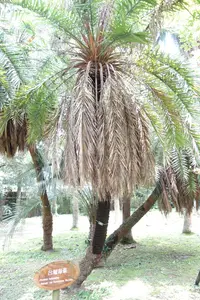
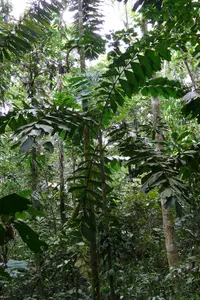
Iriartea deltoidea is a tall, single-trunked palm tree native to lowland tropical rainforests of Central and South America. In nature it forms straight, column-like stems with a crown of large, arching fronds. The trunk often develops distinctive stilt roots that lift and support the base, giving it a striking architectural look. This species grows fast in warm, humid conditions and needs consistent moisture and space, so it is better suited to large greenhouses or outdoor tropical plantings than small homes. It is not an easy choice for beginners, but experienced growers who understand how to care for Iriartea can maintain it as a specimen plant in suitable climates.

Main Plant Requirements

Care Difficulty

Hard Care

Light Preference

Partial Shade

Water Requirements

Keep Soil Moist

Temperature Preference

Tropical / Frost Sensitive

Hardiness Zone

Unknown

Soil Texture

Loamy, Silty, Organic-rich

Soil pH

Acidic (5.5–6.5), Slightly acidic (6.5–7.0)

Soil Drainage

Moist but well-drained

Fertilization

Minimal (feed rarely)

Get Personalized Care Plan

Scan your plant to receive care tips personalized for your specific plant

Available on iOS and Android

How to Care for the Iriartea

This canopy palm prefers bright, filtered light similar to tropical forest conditions.

  • Provide 4–6 hours of bright, indirect light daily, with dappled or filtered sun rather than exposed mid-day rays.
  • Tolerates light partial shade, but deep shade causes slow, weak growth and sparse fronds over time.
  • Avoid harsh afternoon sun, which scorches leaflets; in hot summers, give morning sun with afternoon shade or use overhead shade cloth outdoors.

This species needs evenly moist, well-drained soil that never stays soggy for long periods.

  • Water when the top 3–5 cm of soil feel slightly dry, aiming to keep the root zone consistently damp but not waterlogged.
  • Use deep, thorough watering on well-draining soil; yellowing, limp fronds and a sour smell suggest overwatering, while crispy tips and folding leaflets indicate drought stress.
  • In cooler seasons, reduce frequency as evaporation slows, but do not allow the soil to dry out completely around Iriartea deltoidea.

This tropical palm requires warm, stable temperatures to maintain healthy growth.

  • Ideal growth occurs around 70–85°F (21–29°C), with steady warmth supporting active leaf and trunk development.
  • Avoid temperatures below 55°F (13°C); brief dips to 50°F (10°C) may be tolerated, but frost quickly damages foliage and young tissue.
  • In hot climates, it handles 90–95°F (32–35°C) if humidity is high and soil moisture is stable; provide airflow and partial shade during peak summer heat.

This palm requires high, stable humidity to maintain healthy foliage.

  • Aim for 60–80% humidity; growth slows and tips brown if air stays below 50%.
  • Dry indoor air causes leaflet edge browning, folding, and slow, thin new fronds.
  • Increase humidity with a nearby humidifier, grouped plants, and a wide pebble tray kept with water below the pot base.

This species needs deep, moist, airy soil that holds water yet drains quickly.

  • Use a rich, loose mix such as 40% peat or coco coir, 30% compost, 20% fine bark, and 10% perlite to mimic a forest floor.
  • Ensure fast drainage without waterlogging; the mix should feel springy, not sticky or compacted after watering.
  • Target slightly acidic to neutral pH around 6.0–7.0, which supports nutrient uptake for Iriartea deltoidea.
  • Avoid heavy clay, fine sand-only mixes, or pots where runoff stagnates, as low oxygen around roots encourages rot.

This palm is only moderately suitable for large, heavy containers due to its potential size and weight.

  • Choose a wide, deep, weighty pot to stabilize the tall, top-heavy stem as it matures.
  • Favor thick-walled ceramic or concrete containers that reduce tipping and slow moisture loss in hot weather.
  • Raise the container slightly on feet or blocks so drainage holes stay clear and excess water escapes rapidly.

This palm benefits from light, balanced feeding during active growth but is sensitive to excess salts.

  • Use a balanced, slow-release palm fertilizer or dilute liquid feed around 1/2–1/4 strength, with micronutrients like magnesium and manganese.
  • Apply during the warm growing season every 6–8 weeks for container-grown Iriartea; in-ground plants often need less input.
  • Reduce or stop feeding in cooler months when growth slows, especially below 65°F.
  • Always water before and after applying fertilizer to minimize root burn and distribute nutrients evenly.

Pruning Iriartea deltoidea is mainly hygienic, aimed at maintaining safety and a clean appearance.

  • Carry out pruning in late dry season or early growing season, avoiding very wet or cold periods.
  • Remove only dead, diseased, or badly damaged fronds and flower stalks, leaving healthy green leaves to support growth.
  • Use clean, sharp loppers or a pruning saw, cutting close to the trunk without damaging living tissue.
  • Limit pruning to prevent stress, as removing many green fronds can slow growth and weaken the crown.

This species is usually field-grown, but young container plants or nursery stock sometimes need transplanting for better root development.

  • Look for roots circling the pot, pushing from drainage holes, or noticeably slowed growth as cues for shifting or planting out.
  • Plan major transplanting for warm, humid weather with stable temperatures, typically late spring to early summer in suitable climates.
  • Expect to move young container plants every 2–3 years into a slightly larger pot or directly into deep, well-drained soil.
  • Handle the root ball gently, keep roots shaded and moist during the move, then water deeply and provide temporary wind and sun protection.

Propagation of Iriartea deltoidea is specialized and usually carried out from seed rather than by vegetative methods.

  • Use fresh, ripe seeds, as viability drops quickly once dried or stored for long periods.
  • Sow in warm conditions around 77–86°F with high humidity and a free-draining, slightly acidic medium.
  • Expect slow, uneven germination over several months; maintain consistently moist but not waterlogged conditions.
  • Provide gentle bottom heat and bright, filtered light to support early seedling development and reduce damping-off risk.

This tropical palm is not frost hardy and requires careful winter management in any climate with cool seasons.

  • Avoid exposure below about 50°F; sustained colder temperatures can damage foliage and growing points.
  • Move container plants indoors or into a warm greenhouse before night temperatures drop in autumn.
  • Maintain bright, filtered light, reduced watering, and good air movement indoors during winter to limit stress.
  • In marginal outdoor sites, insulate the root zone with a thick mulch layer, keeping it slightly away from the trunk.

Care Tips

Early trunk support

Install a sturdy, slightly flexible stake near young palms and tie the trunk with soft, wide ties in a loose figure‑8 to prevent wind rock and root disturbance while the root system establishes.

Root zone mulching

Apply a 5–8 cm layer of coarse organic mulch in a wide ring around the base, keeping it 5–10 cm away from the trunk, to stabilize soil moisture, buffer temperature swings, and protect surface feeder roots.

Canopy spacing management

When planting multiple specimens, maintain generous spacing and periodically remove competing understory plants so the crown has room to expand uniformly and light can reach all sides of the canopy.

Wind exposure planning

Position the palm where tall structures or trees break strong prevailing winds, or create a windbreak with hardy shrubs, to reduce frond tearing and mechanical stress on the tall, slender trunk when growing Iriartea.

Preventing trunk damage

Avoid string trimmers and lawn mowers contacting the trunk; instead, create a clear mulch or groundcover zone around the base to prevent wounds that can invite pathogens and long‑term structural weakness.

Common Pests and Diseases

Rhynchophorus palm weevils

This pest attacks the crown and upper stem, tunneling into living tissue and causing wilting and collapse of the central growth. Symptoms include frond yellowing, oozing sap, and a foul odor from damaged areas.

Solution

Monitor the crown and upper stem for bore holes, oozing sap, and frass, and remove and destroy severely infested plants to prevent spread. In managed plantings, use pheromone traps for population monitoring and apply targeted systemic insecticides to the crown area at the first signs of attack, combined with strict sanitation of any cut or fallen palm material.

Palm rhinoceros beetles

These insects bore into the crown tissues to feed, leaving V-shaped cuts or shredded emerging fronds and weakening the structural integrity of the palm. Damage can predispose the plant to secondary infections and eventual crown failure.

Solution

Inspect the crown and bases of young leaves regularly for bore holes and shredded tissue and physically remove and destroy any detected larvae or adults. Reduce breeding sites by removing decaying palm debris, and, where allowed, use light or pheromone traps plus directed crown treatments with appropriate insecticides to protect vulnerable palms, especially young specimens when growing Iriartea deltoidea in clustered plantings.

Leaf spot fungi

This disease produces small brown to dark lesions on leaflets that may coalesce into larger necrotic patches, especially under humid, shaded conditions typical of understory palms. Severe cases reduce photosynthetic area and weaken the palm over time.

Solution

Prune and dispose of affected fronds to reduce inoculum, avoiding overhead watering that keeps foliage wet for long periods. Improve air movement around the plant, keep leaves dry when possible, and apply a labeled broad-spectrum fungicide to new and lightly affected foliage if spotting continues to spread.

Pink rot

This disease, often caused by Nalanthamala vermoeseni in palms, affects the crown and basal petioles, leading to soft, discolored tissue and distorted or collapsing emerging fronds. Symptoms include brown, water-soaked areas that may show pinkish fungal growth under very humid conditions.

Solution

Remove and discard all visibly infected tissue, sterilizing cutting tools between cuts, and keep the crown area as dry as possible while the plant recovers. Improve drainage and air movement, avoid mechanical injury to the crown, and use a registered systemic fungicide at early stages of infection to limit spread within the plant.

Interesting Facts

Stilt roots architecture

This palm develops massive stilt roots that can reach several meters above the ground, forming a cone-shaped base that stabilizes the trunk in wet, unstable rainforest soils. The raised root system also helps the plant access oxygen in poorly aerated substrates.

Keystone rainforest resource

Its large, fleshy fruits are an important food source for many Neotropical animals, including monkeys, toucans, and large rodents. By consuming and dispersing the seeds, these animals help maintain forest structure and genetic connectivity of populations.

Rainforest canopy engineer

Mature individuals form tall, straight trunks that contribute significantly to the upper canopy structure in western Amazonian forests. Their presence influences light distribution, microclimate, and habitat availability for epiphytes and arboreal animals.

Botan icon

Did you know?

Indigenous communities in the western Amazon traditionally use the very hard, dense wood of this species to make house posts, tools, and other durable structures, taking advantage of its exceptional resistance to decay in humid tropical conditions.

FAQs about Iriartea

This canopy palm grows slowly to moderately, often adding 15–30 cm of trunk per year once established. In suitable tropical conditions, it can eventually reach 15–25 m tall with a relatively narrow crown.

Grow Healthy Plants with Botan Care

Keep your plants happy and healthy with plant identification, disease detection, and easy care guidance.


Botan plant care app — identify plants on mobile

Explore More Plants