Cheiloclinium cognatum Care

Cheiloclinium cognatum

About Cheiloclinium cognatum

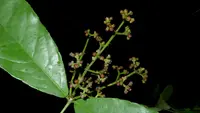
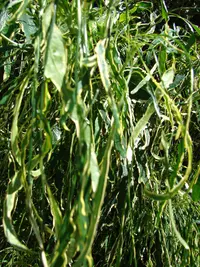
Cheiloclinium cognatum is a woody climbing plant native to tropical forests of Central and South America. It typically grows as a slender vine twining through trees and shrubs. Leaves are usually simple, green, and smooth, giving the plant a clean, understated look rather than showy flowers or foliage. In natural habitats it is part of the forest understory, where it receives filtered light and steady warmth. Its vining habit and tropical origin suggest it prefers consistent moisture, good drainage, and protection from cold or very dry air. Because it is not a common houseplant, information on how to care for Cheiloclinium cognatum is limited, and it is better suited to experienced growers.


Main Plant Requirements

Care Difficulty

Moderate Care

Light Preference

Partial Shade

Water Requirements

Moderate Water

Temperature Preference

Tropical / Frost Sensitive

Hardiness Zone

11–13

Soil Texture

Loamy, Sandy, Organic-rich

Soil pH

Acidic (5.5–6.5)

Soil Drainage

Moist but well-drained

Fertilization

Minimal (feed rarely)

Get Personalized Care Plan

Scan your plant to receive care tips personalized for your specific plant

Available on iOS and Android

How to Care for the Cheiloclinium cognatum

This species prefers bright, indirect light similar to a lightly shaded forest edge.

  • Provide 3–5 hours of gentle morning sun with filtered or dappled light for the rest of the day, avoiding harsh midday and late afternoon exposure.
  • Cheiloclinium cognatum tolerates partial shade, but in deep shade stems elongate, leaves pale, and growth slows noticeably.
  • In hot summers, increase shade between 11 a.m. and 4 p.m. to prevent leaf scorch; in winter, allow more direct sun by thinning overhead cover if possible.

Watering should mimic consistently moist but not waterlogged forest soil.

  • Allow the top 2–4 cm of soil to dry slightly before watering, then soak the root zone so water drains freely from the planting area.
  • Use loose, well-drained soil rich in organic matter; persistent wetness, sour smell, or blackening roots indicate overwatering and poor aeration.
  • In warm, active growth periods, soil may need moisture checks every few days, while in cooler seasons extend intervals as growth slows and soil stays damp longer.

This plant performs best in stable, warm conditions without exposure to frost.

  • Aim for an optimal growing range of 68–82°F (20–28°C), which supports steady vegetative growth and healthy leaf development.
  • Avoid temperatures below 50°F (10°C); brief dips to 45°F (7°C) may be survived but can cause leaf drop and slow recovery.
  • Protect from frost and cold winds, and during heat above 90°F (32°C) provide extra shade and soil moisture to reduce stress and leaf scorch risk.

This species benefits from moderately humid air but adapts to average indoor conditions.

  • Aim for 50–70% humidity, similar to a warm, sheltered understory environment.
  • It tolerates brief dips to 30–40%, but prolonged dry air can slow growth and crisp leaf tips.
  • Low humidity stress appears as browning edges and slight leaf curl; increase humidity with a nearby humidifier, grouped plants, or a wide pebble tray.

This vine prefers loose, well-aerated, moisture-retentive but free-draining soil.

  • Use a mix of roughly 40% peat or coco coir, 30% compost, and 30% perlite or fine bark to balance moisture and air spaces.
  • Structure should be crumbly and loamy so roots can spread easily without staying waterlogged.
  • A slightly acidic to neutral pH around 6.0–7.0 suits Cheiloclinium cognatum and supports nutrient availability.
  • Avoid compacted clay, heavy garden soil, or mixes that stay wet for more than 2–3 days after watering; add extra perlite or bark to improve drainage.

This species can be grown successfully in containers given careful attention to support and moisture management.

  • Choose a deep, broad pot that allows a spreading root system and provides weight to counter climbing top growth.
  • Use a heavier material such as ceramic or clay outdoors to reduce tipping risk in wind as the vine gains height.
  • Ensure drainage holes are generous and keep the pot slightly raised so excess water escapes quickly, preventing soggy lower roots.

Nutrient inputs support healthy growth of Cheiloclinium cognatum, especially in containers or poor soils.

  • Use a balanced, slow-release fertilizer (around 10-10-10) or well-rotted compost at the start of the growing season.
  • Feed container plants every 6–8 weeks during active growth with a half-strength balanced liquid fertilizer.
  • Reduce or stop feeding in fall and winter when growth slows to avoid soft, weak tissues.
  • Water before and after fertilizing to limit root burn and help even nutrient distribution.

Pruning helps maintain structure and health while encouraging controlled growth in Cheiloclinium cognatum.

  • Carry out main pruning in late winter or early spring before strong new growth begins.
  • Remove dead, diseased, crossing, or storm-damaged branches first to improve plant health and airflow.
  • Thin crowded interior shoots to allow light penetration and maintain a balanced, stable framework.
  • Use clean, sharp bypass pruners, making angled cuts just outside the branch collar to promote proper healing.

Transplanting is most relevant when Cheiloclinium cognatum is young or container-grown before establishment outdoors.

  • Look for roots circling the pot, water running straight through, or noticeably slower growth as signals to move up a size.
  • Plan transplanting for early spring or early fall, avoiding extreme heat or cold for better root recovery.
  • Shift to a container 2–5 cm wider or into a prepared ground site with loose, well-drained soil.
  • Keep the root ball intact, plant at the same depth, water thoroughly, and shade temporarily to limit transplant shock.

Propagation of Cheiloclinium cognatum is usually done by seeds or semi-hardwood cuttings under controlled conditions.

  • Collect ripe seeds, clean them, and sow in a sterile, well-draining mix kept evenly moist and warm (70–77°F).
  • Take semi-hardwood cuttings in late spring or summer, 10–15 cm long, with 2–3 nodes.
  • Dip cut ends in rooting hormone, then place in a humid, bright, indirect light environment to encourage root formation.
  • Maintain gentle bottom warmth if possible, and avoid waterlogging to prevent rot during the rooting phase.

Winter care depends on local climate, as Cheiloclinium cognatum is sensitive to hard freezing temperatures.

  • In mild, frost-free regions, established plants typically overwinter outdoors with minimal intervention.
  • Apply a 5–8 cm layer of organic mulch over the root zone in late fall, keeping it slightly away from the stem.
  • In colder areas, grow in large containers and move indoors or into a greenhouse before temperatures drop near freezing.

Care Tips

Provide climbing support

Install a sturdy trellis, wire grid, or horizontal wires early on so stems can be tied loosely with soft ties as they elongate, which prevents breakage and creates an even, manageable canopy for caring for Cheiloclinium cognatum.

Use selective thinning

Once or twice a year, remove a few of the oldest, most congested stems at the base rather than just tip-pruning, which improves air movement through the vine and reduces fungal issues in humid conditions.

Root zone mulching

Apply a 3–5 cm layer of fine bark or leaf mold around the root zone, keeping it a few cm away from the stem, to buffer soil temperature and moisture and protect the relatively shallow roots from heat and mechanical damage.

Layering for propagation

In a container or outdoor setting, pin a flexible, healthy stem into a small pot of moist substrate placed beside the mother plant, and once roots form at the pinned section, sever and pot it up separately to expand plantings without stressing the main vine.

Routine pest scouting

Inspect the undersides of leaves and young stem tips every 1–2 weeks for scale and mealybugs, and if found, spot-treat early with a cotton swab dipped in isopropyl alcohol or a labeled horticultural soap to avoid heavy infestations on this woody climber.

Common Pests and Diseases

Leaf spot

This disease produces irregular brown to dark purple spots that may merge and cause partial leaf blight on older foliage. Symptoms include a speckled appearance and premature yellowing and drop of affected leaves on mature lianas or bonsai-style plants.

Solution

Remove and discard heavily spotted leaves, then improve light and air movement around the canopy to keep foliage drying quickly after watering or rain. Avoid wetting leaves, water at the base, and if spotting continues, apply a copper-based or chlorothalonil fungicide labeled for ornamental vines, following local regulations and label directions.

Anthracnose

This disease causes tan to dark brown lesions along leaf edges and young stems, sometimes leading to dieback of tender shoots. Symptoms include sunken, dry patches that may follow the veins and a general thinning of the crown on stressed plants.

Solution

Prune out and destroy affected shoot tips and leaves, sterilizing tools between cuts, then reduce overhead watering and dense shading. For persistent infections, use a systemic fungicide labeled for anthracnose on ornamentals and keep the plant in stable warmth and moderate humidity to reduce stress when following Cheiloclinium cognatum care instructions.

Scale insects

These insects attach along stems and leaf veins as small brown or gray bumps, often coated in a sticky honeydew that can attract sooty mold. This pest weakens vines, slows new growth, and may cause leaf yellowing and drop if populations build up.

Solution

Wipe stems and the underside of leaves with a cotton pad dipped in dilute alcohol or insecticidal soap, repeating every 7–10 days until new growth is clean. For larger plants, apply a horticultural oil spray with thorough coverage, and isolate heavily infested specimens from nearby vines during treatment.

Mealybugs

These insects appear as white, cottony clusters in leaf axils, on new growth, and along roots of container plants. This pest feeds on sap, causing distorted leaves, weak shoots, and a sticky residue that encourages secondary fungal growth.

Solution

Physically remove visible clusters with a cotton swab dipped in alcohol, then shower the plant to dislodge remaining insects, taking care not to damage tender shoots. Follow up with 2–3 applications of insecticidal soap or neem oil at 7–10 day intervals and inspect any new cuttings or companion plants before placing them nearby.

Interesting Facts

Neotropical bird partner

This liana relies heavily on birds such as tanagers for seed dispersal, as they are attracted to its brightly colored arils that surround the seeds. The plant’s fruit structure is adapted so that birds remove and swallow the fleshy aril while the hard seed passes through or is dropped nearby.

Forest canopy climber

It grows naturally as a woody climber in neotropical forests, using surrounding trees for mechanical support to reach better light conditions in the canopy. The stem structure is adapted for twining and scrambling rather than holding itself upright as a self-supporting tree or shrub.

Specialized rainforest habitat

This species is native to moist, warm lowland and submontane forests in South America, particularly in Brazil and neighboring regions. Its distribution is closely tied to relatively intact Atlantic Forest and Amazonian habitats, so habitat loss directly threatens its natural populations.

FAQs about Cheiloclinium cognatum

This species is a woody liana, meaning it naturally climbs rather than forming a low spreading mat. It uses surrounding trees or sturdy structures for support and can form long, twining stems in suitable climates.

Grow Healthy Plants with Botan Care

Keep your plants happy and healthy with plant identification, disease detection, and easy care guidance.

Botan plant care app — identify plants on mobile

Explore More Plants