cucumis Care (Cucumis ficifolius)

cucumis

About cucumis

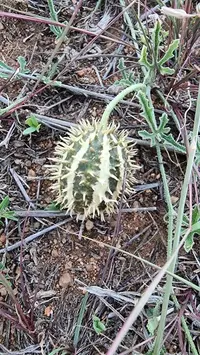
Cucumis ficifolius is a wild cucurbit, related to cucumbers and melons, with a scrambling or climbing habit and distinctly fig-like, lobed leaves. It often produces small, spiny fruits that are more important ecologically than as food. This species is native to arid and semi-arid regions of eastern Africa, where it typically grows in open scrub, rocky slopes, and disturbed ground. It can be somewhat demanding in cultivation due to its need for warm conditions, good air movement, and well-drained soil. Gardeners who care for cucumis usually treat it as a specialty or curiosity plant rather than a standard edible crop.

Main Plant Requirements

Care Difficulty

Moderate Care

Light Preference

Full Sun

Water Requirements

Regular Water

Temperature Preference

Tropical / Frost Sensitive

Hardiness Zone

10–12

Soil Texture

Sandy, Loamy, Organic-rich

Soil pH

Acidic (5.5–6.5), Slightly acidic (6.5–7.0)

Soil Drainage

Well-drained

Fertilization

Moderate (every 2–4 weeks)

Get Personalized Care Plan

Scan your plant to receive care tips personalized for your specific plant

Available on iOS and Android

How to Care for the cucumis

This sun-loving vine needs strong light but benefits from some protection during the hottest hours.

  • Provide 6–8 hours of direct sun daily, ideally with morning sun and light afternoon shade in hot climates.
  • Tolerates very light partial shade, but flowering and fruiting decline if it receives under 4–5 hours of direct sun.
  • In summer, strong reflected heat from walls or paving can scorch leaves; in cooler seasons, choose the brightest, most open position available for cucumis.

This species prefers steadily moist, well-drained soil without long dry spells or standing water.

  • Water when the top 3–5 cm of soil feels dry, soaking the root zone thoroughly, then allow excess to drain away.
  • Reduce frequency in cooler weather, but do not let the soil dry completely; leaves that wilt in the afternoon and stay limp by evening signal underwatering.
  • Yellowing lower leaves, soft stems, or a sour smell from the soil indicate overwatering or poor drainage; improve soil structure and drainage immediately for Cucumis ficifolius.

This warm-season plant grows best in stable, frost-free conditions.

  • Optimal growth occurs at 70–85°F (21–29°C); growth slows noticeably below 65°F (18°C).
  • Avoid temperatures below 55°F (13°C); light frost around 32°F (0°C) can kill foliage and young plants.
  • Tolerates brief heat up to 95°F (35°C) if soil moisture is stable, but prolonged extreme heat with dry soil causes leaf scorch and flower drop, especially in mid-summer.

This species manages well in typical home humidity but benefits from moderate moisture in the air during active growth.

  • Aim for 40–60% humidity, which supports steady foliage and vine development without encouraging disease.
  • Tolerates short periods of drier air, but leaves may curl, brown at edges, or wilt midday under very low humidity.
  • Increase humidity by grouping plants, using a nearby pebble tray, or placing cucumis where airflow is gentle but not drafty.

Soil for Cucumis ficifolius must be loose, well-drained, and moderately rich to support fast, sprawling growth.

  • Use a loamy mix with 40–50% organic matter such as compost plus added perlite or coarse sand for drainage.
  • Target slightly acidic to neutral pH around 6.0–7.0, which keeps nutrients available and supports healthy root function.
  • Improve aeration by avoiding compaction; fill containers loosely and mix in coarse particles like perlite or fine bark.
  • Avoid heavy clay, waterlogged sites, or straight compost, which hold excess moisture, reduce oxygen, and promote root rot.

This species can be grown successfully in containers when given enough space and firm support for trailing growth.

  • Choose a deep, wide pot so roots can spread laterally while vines can spill over the rim without stressing the base.
  • Select a heavier material like terracotta or ceramic outdoors to reduce tipping as vines extend and fruit develop.
  • Raise the container slightly on feet or bricks so drainage holes stay clear and excess water exits quickly after irrigation.

This wild cucurbit generally needs only light feeding when grown in poor soils or containers, especially in the main growth phase.

  • Use a balanced NPK fertilizer (such as 10-10-10) at 1/2 strength for Cucumis ficifolius in pots or nutrient-poor beds.
  • Apply diluted liquid feed or compost tea every 3–4 weeks during the warm growing season if growth looks weak or leaves pale.
  • In rich, well-prepared garden soil, rely mainly on compost or aged manure mixed in before planting rather than frequent feeding.
  • Stop fertilizing in late summer and avoid feeding in winter or dormancy to prevent soft, cold-sensitive growth.

Pruning helps manage the vigorous, scrambling vines of Cucumis ficifolius and keeps growth within bounds.

  • Best time for structural pruning is late winter to early spring before strong new growth begins.
  • Remove dead, damaged, or diseased stems first, then thin out crowded shoots to improve air flow and light penetration.
  • Shorten excessively long runners to guide the plant over supports and prevent smothering neighboring plants.
  • Use clean, sharp hand pruners and make angled cuts above a node to reduce the risk of infection.

This species is mainly grown in open ground; focus on careful transplanting of young plants rather than frequent repotting.

  • Transplant seedlings after frost risk has passed and soil has warmed, when roots hold the plug but are not circling the container.
  • Signs a container-grown plant needs more space include roots exiting drainage holes and noticeably slowed growth despite good care.
  • Move to a slightly larger pot or garden position with free-draining soil, handling the root ball gently to limit disturbance.
  • Water thoroughly after transplanting, shade from intense sun for 2–3 days, and keep soil evenly moist to reduce transplant shock.

Most Cucumis ficifolius plants are raised from seed, which is straightforward under warm, bright conditions.

  • Sow viable seed in spring when temperatures stay above 68°F, using a free-draining seed mix kept lightly moist.
  • Pre-soak seeds for a few hours to soften the coat, then plant 1–2 cm deep and provide bottom heat if indoor temperatures are cool.
  • Give strong light and good air circulation to seedlings to prevent weak, leggy growth and damping-off disease.
  • Transplant young plants once they have 2–3 true leaves, disturbing the root system as little as possible.

This tender species is not frost hardy, so plants in cooler climates need clear winter management.

  • In frost-free regions, plants may survive outdoors with minimal extra care beyond well-drained soil.
  • Where frost occurs, grow as an annual or lift and discard vines after seed collection at season’s end.
  • For any container specimens, move indoors or into a greenhouse before temperatures drop near 40°F.
  • Mulch the root zone lightly in mild climates to buffer short cool spells, avoiding soggy conditions around stems.

Care Tips

Use sturdy trellising

Install a strong trellis or wire mesh before planting and train vines early with soft ties so the tendrils can attach and the fruits hang freely without kinking stems.

Mulch for root cooling

Apply a 3–5 cm layer of clean straw or composted bark around the root zone to keep soil cooler, reduce weed pressure, and maintain more even moisture for this heat-sensitive cucurbit.

Targeted pest monitoring

Inspect leaf undersides and young shoots twice weekly for spider mites, aphids, and cucumber beetles, and intervene early with insecticidal soap or yellow sticky traps before populations build.

Prevent powdery mildew

Space plants to allow brisk air movement, water at soil level in the morning, and remove heavily infected leaves promptly to limit powdery mildew spread on this species’ foliage.

Timed fruit thinning

If many small fruits set at once, remove the weakest and leave a few evenly spaced along each vine so the plant can channel resources into developing healthier, better-sized fruit clusters while growing cucumis.

Common Pests and Diseases

Cucurbit aphids

This pest feeds on the soft growth of vines and young leaves, sucking sap and distorting new foliage while leaving sticky honeydew that can attract sooty mold. Symptoms include curled leaves, stunted growth, and clusters of small green, black, or yellow insects on stems and leaf undersides.

Solution

Rinse colonies off with a firm stream of water, then inspect and repeat every few days during active infestations. For heavier pressure, treat leaf undersides and tender tips with insecticidal soap or a light horticultural oil, and reduce nearby weedy cucurbit hosts that can harbor aphid populations.

Powdery mildew

This disease produces white, powdery patches on upper leaf surfaces, often starting on older leaves and spreading along the vine. Symptoms include yellowing, premature leaf drop, and reduced vigor, especially in dense or shaded plantings.

Solution

Remove and discard heavily infected leaves to slow spread, then improve airflow by spacing vines and avoiding overhead watering late in the day. Apply a sulfur or potassium bicarbonate-based fungicide labeled for cucurbits at the first sign of powdery spots and keep foliage as dry as possible.

Downy mildew

This disease causes yellow, angular spots on leaves that later turn brown, with gray-violet fuzzy growth often visible on the underside in humid conditions. Symptoms include rapid leaf collapse from the base of the plant upward, especially during cool, wet weather.

Solution

Remove and destroy affected leaves promptly and avoid wetting the foliage by using drip or soaker irrigation. Improve air movement, avoid crowding, and if disease risk is high, apply a copper-based or other cucurbit-labeled downy mildew fungicide preventively when cool, damp conditions are forecast.

Cucumber beetles

These insects feed on leaves, flowers, and young fruits, leaving shot holes and ragged edges, and can also transmit bacterial wilt within Cucumis ficifolius plant care scenarios. Symptoms include chewed foliage, scarring on fruits, and sudden vine wilt on individual plants if disease is introduced.

Solution

Hand-pick beetles in the early morning when they are sluggish and use yellow sticky traps near plants to monitor populations. Row covers can protect young vines until flowering, and neem oil or spinosad-based products may be used according to label directions when beetle numbers rise.

Angular leaf spot

This bacterial disease causes water-soaked, angular lesions limited by leaf veins that later turn brown and may crack or fall out, leaving a tattered appearance. Symptoms include leaf yellowing, reduced photosynthesis, and small sunken lesions on stems or fruits under severe infection.

Solution

Avoid overhead irrigation, especially in the evening, and handle plants only when foliage is dry to limit bacterial spread. Remove and discard infected plant debris, rotate cucurbits to a different bed for at least 2–3 years, and use clean tools and seed from reputable sources to lower introduction risk.

Interesting Facts

Fig‑like leaf shape

This species has deeply lobed leaves that closely resemble those of a fig tree, which is the origin of the epithet ficifolius, meaning fig-leaved.

Wild African cucurbit

It is a wild cucurbit native to dry and semi-arid regions of East Africa, where it grows on open bushland and rocky slopes rather than in cultivated fields.

Spiny, bitter fruits

The plant produces small, spiny, usually bitter fruits that are typical of many wild Cucumis species and are not grown as food crops.

FAQs about cucumis

This species forms scrambling, branching vines that naturally climb and sprawl using tendrils. It will clamber over shrubs, rocks, or support structures, and can also spread along the ground if no vertical support is available.

Grow Healthy Plants with Botan Care

Keep your plants happy and healthy with plant identification, disease detection, and easy care guidance.

Botan plant care app — identify plants on mobile

Explore More Plants