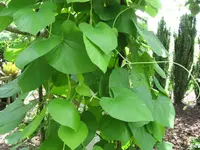
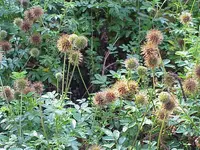
alamovine Care (Ipomoea coptica)

Also known as: White Morning Glory
alamovine

About alamovine

Alamovine (Ipomoea coptica) is a twining vine in the morning glory family, grown mainly for its delicate foliage and small, funnel-shaped flowers. It tends to scramble over supports or surrounding plants, forming a light, lacy cover rather than a dense screen.

This species is native to arid and semi-arid regions of North Africa and the Middle East, so it is adapted to heat and relatively dry conditions. It usually prefers full sun, well-drained soil, and moderate watering, which makes it relatively straightforward to care for alamovine in warm climates.

Growth can be fast in suitable conditions, but the plant is sensitive to cold and frost, so it is often treated as an annual outside very mild regions.

Main Plant Requirements

Care Difficulty

Moderate Care

Light Preference

Full Sun

Water Requirements

Moderate Water

Temperature Preference

Tropical / Frost Sensitive

Hardiness Zone

10–12

Soil Texture

Sandy, Loamy, Organic-rich

Soil pH

Acidic (5.5–6.5), Slightly acidic (6.5–7.0)

Soil Drainage

Well-drained

Fertilization

Light (every 4–6 weeks)

Get Personalized Care Plan

Scan your plant to receive care tips personalized for your specific plant

Available on iOS and Android

How to Care for the alamovine

Ipomoea coptica performs best with strong, direct light in warm seasons.

  • Provide 6–8 hours of direct sun daily; morning sun with light afternoon shade is ideal in hot summers.
  • Plants tolerate light partial shade (around 3–4 hours direct sun), but flowering and vigor decline if shade exceeds half the day.
  • In very bright, hot climates, caring for alamovine outdoors benefits from mulch and slight afternoon shade to prevent leaf scorch and excessive soil drying.

Water needs for Ipomoea coptica are moderate but closely linked to soil drainage and heat.

  • Allow the top 3–5 cm of soil to dry before watering again; the soil should feel dry on top but slightly moist below.
  • In hot, windy periods, check moisture every 1–2 days, watching for dull, drooping leaves as a sign the plant needs water.
  • Avoid waterlogged sites; yellowing, soft leaves or a sour soil smell indicate overwatering and poor root aeration.

This species favors warm conditions and reacts quickly to cold or frost.

  • Aim for 70–85°F (21–29°C) for active growth; stems and foliage develop fastest in this warm range.
  • Growth slows noticeably below 60°F (16°C) and plants are damaged or killed by frost near 32°F (0°C).
  • Short periods up to 95°F (35°C) are tolerated if soil moisture is stable, but prolonged extreme heat with dry soil leads to leaf scorch and stalled growth.

This twining annual tolerates a range of humidity but grows best with moderately moist air.

  • Aim for 40–60% humidity; typical outdoor summer conditions usually meet this for alamovine.
  • Plants cope with brief dry air, but prolonged humidity below 30% may slow growth and crisp leaf edges.
  • Increase humidity around container plants by grouping them, using a nearby water tray, or light misting in the morning.

This species prefers light, well-drained soil that still holds some moisture for steady growth.

  • Use a loose mix such as 40% peat- or coco-based potting substrate, 40% garden loam, and 20% coarse sand or perlite for structure and drainage.
  • Aim for slightly acidic to neutral pH, around 6.0–7.0, which supports nutrient availability and root health in Ipomoea coptica.
  • Improve aeration by avoiding compaction; gently mix in coarse particles (perlite, pumice, or sharp sand) rather than fine, silt-like materials.
  • Avoid heavy clay, waterlogged spots, or pure sand, since alternating drought and saturation stresses roots and reduces flowering.

This climbing vine is very suitable for container growing outdoors when given stable support.

  • Choose a deep, heavy container (at least 25–30 cm wide) to balance vigorous top growth and reduce tipping in wind.
  • Set a trellis or strings firmly in the pot at planting time so roots grow around fixed supports and the vine climbs cleanly.
  • Use a free-draining potting mix and elevate the container slightly on feet or bricks so drainage holes never sit in collected runoff water.

This vigorous climber responds well to modest feeding, so aim for light, balanced nutrition during active growth.

  • Use a balanced liquid fertilizer (for example 10-10-10) at 1/4–1/2 strength every 2–4 weeks in spring and summer when caring for alamovine.
  • In poor soils, mix in well-rotted compost or use a slow-release balanced fertilizer at planting time.
  • Skip feeding in winter or any dormant period to avoid soft, weak growth.
  • Always water before applying fertilizer and avoid contact with dry roots to reduce burn risk.

Pruning helps keep Ipomoea coptica in bounds and encourages dense, flowering growth.

  • Best time for shaping is late winter or early spring before strong new growth starts.
  • Use clean, sharp hand pruners to remove dead, damaged, or tangled stems.
  • Shorten overly long vines to control spread and promote more side shoots and blooms.
  • During the growing season, light trimming of rampant stems keeps trellises or fences tidy.

This twining vine is usually grown in the ground, but young plants or starts may be moved or potted with care.

  • Transplant in spring after frost when soil is warming and plants begin active growth.
  • Shift container plants only when roots circle the pot or growth slows, usually every 1–2 years for young vines.
  • Move into a slightly larger pot or ground site with loose, well-drained soil to limit root disturbance.
  • Water thoroughly before and after moving, keep roots shaded, and reduce sun and wind exposure for several days.

Ipomoea coptica is commonly propagated from seeds and soft stem cuttings.

  • Sow fresh seeds in spring in warm soil, 70–80°F, using a light, well-draining mix.
  • Lightly scarify hard seed coats and keep evenly moist until germination.
  • Take 8–10 cm softwood cuttings in late spring or early summer and remove lower leaves.
  • Place cuttings in a humid, bright, indirect light environment until roots form, then harden off gradually.

This warm-season vine is frost-tender and needs measures in regions with cold winters.

  • In USDA zones below 9, grow as an annual or expect top growth to die after frost.
  • Mulch the root zone with 5–8 cm of organic material in mild climates to buffer temperature swings.
  • For container plants, shift pots indoors to a bright, cool, frost-free space before temperatures drop near 40°F.
  • Reduce watering in winter, keeping soil barely moist to prevent root rot in cool conditions.

Care Tips

Early vine training

Install a trellis, mesh, or strings when stems are 10–15 cm long and gently spiral new growth around supports every few days so the plant builds a stable climbing framework instead of tangling on nearby plants.


Directed ground coverage

For use as a groundcover, pin young runners to the soil surface with landscape staples or small wire U-pins so nodes contact the soil and create a denser, more uniform mat.

Seasonal renewal pruning

In late winter or at the start of the warm season, cut back weak, overly tangled, or woody stems close to the base to stimulate vigorous new shoots and keep the vine easier to manage.

Proactive pest monitoring

Check the undersides of leaves and soft shoot tips weekly for aphids, spider mites, or leaf-mining damage and treat early with a targeted insecticidal soap or horticultural oil before populations build up.

Containment and spread control

In mild climates, use physical barriers like edging, regular perimeter trimming, and removal of seed capsules before they ripen to prevent unwanted spread into lawns, beds, or natural areas while growing alamovine in the landscape.

Common Pests and Diseases

Sweetpotato whitefly

This pest feeds on the undersides of leaves, causing yellowing, curling, and sticky honeydew that can lead to sooty mold. Infestations are common on vigorous vining growth in warm climates.

Solution

Reduce populations by regularly hosing down the undersides of leaves, removing heavily infested foliage, and introducing or conserving natural enemies such as lady beetles and lacewings. If needed, use insecticidal soap or a light horticultural oil, applied thoroughly to leaf undersides in the early morning or evening, and repeat at 7–10 day intervals until numbers drop.

Leafminers

These insects create winding, pale tunnels inside the leaves, which can distort foliage and reduce photosynthesis on young vines. Damage is often more visible on tender, fast-growing leaves.

Solution

Limit damage by removing and discarding leaves that show fresh active mines and by encouraging beneficial parasitoid wasps in the garden by avoiding broad-spectrum insecticides. For heavier infestations, use a spinosad-based spray directed at young foliage, following label instructions and avoiding applications when pollinators are active.

Morning glory rust

This disease causes small yellow spots on the upper leaf surface and orange to brown pustules on the underside, leading to premature leaf drop in humid, crowded plantings. Symptoms include progressive thinning of foliage along the vine.

Solution

Manage rust by promptly removing and discarding infected leaves, avoiding overhead watering, and improving air circulation through spacing and pruning excess growth. In areas with recurring problems, apply a sulfur or copper-based fungicide preventively at the first sign of spotting, rotating products if label guidance suggests to reduce resistance risk.

Fusarium wilt

This disease leads to gradual wilting, yellowing, and collapse of individual shoots even when soil moisture is adequate, often starting on one side of the plant. Symptoms include brown discoloration inside the stem if cut lengthwise.

Solution

There is no direct cure, so remove and destroy severely affected vines and avoid planting morning glory relatives in the same spot for several years. Improve soil drainage, avoid overfertilizing with nitrogen, and consider using clean, pathogen-free seed or starting material to reduce the chance of new infections.

Aphids

These insects cluster on tender shoot tips and flower buds, sucking sap and causing distorted new growth and sticky honeydew that can attract ants. Populations can build quickly on young, fast-growing vines in spring and early summer.

Solution

Control aphids by pinching off heavily infested shoot tips, rinsing colonies from stems with a firm stream of water, and supporting natural predators such as lady beetles by minimizing broad-spectrum sprays. If additional control is needed, apply insecticidal soap thoroughly to soft growth and repeat every 5–7 days until the population is suppressed.

Interesting Facts

Desert-edge twiner

This species is native to arid and semi-arid regions of North Africa and the Middle East, where it scrambles over shrubs and rocks rather than forming dense canopy-covering vines like many relatives.

Minute funnel flowers

Its white to pale lilac funnel-shaped flowers are relatively small for a morning glory, typically only a few millimeters across, and often go unnoticed against the sparse desert vegetation.

Efficient drought strategy

The plant shows a low, sprawling growth habit with small, narrow leaves that help limit water loss, an adaptation suited to hot, dry habitats and calcareous or sandy soils.

FAQs about alamovine

This species can spread quickly where conditions are warm and frost-free, especially in light, well-drained soils. It self-seeds and roots at nodes, so gardeners should monitor growth, edge beds, and remove unwanted runners promptly.

Grow Healthy Plants with Botan Care

Keep your plants happy and healthy with plant identification, disease detection, and easy care guidance.

Botan plant care app — identify plants on mobile

Explore More Plants