Controlled self-seeding
If you want new plants without overcrowding, allow only a few of the healthiest plants to set seed and gently rake those seeds into the top 0.5 cm of soil while removing spent seedheads from the rest.

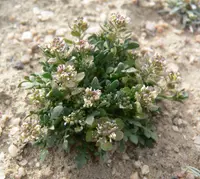
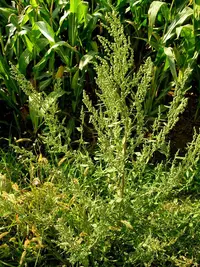
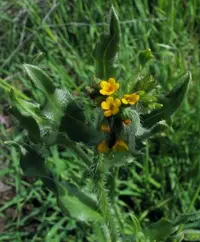
Shaggyfruit pepperweed, Lepidium lasiocarpum, is a small annual herb in the mustard family, native to arid and semi-arid regions of the southwestern United States and northern Mexico. It often grows in open desert flats, disturbed ground, and sandy or gravelly soils.
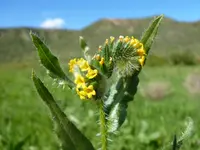
The plant typically forms low, branching clumps with narrow leaves and small, inconspicuous flowers that develop into distinctive hairy seed pods. Its life cycle is short and closely tied to seasonal rainfall, so it tends to appear after favorable moisture and then dry down.
Because of its tough desert origin, it prefers full sun, fast-draining soil, and low to moderate moisture. Gardeners who care for shaggyfruit pepperweed should understand it is better suited to naturalistic or xeric plantings than to formal garden beds.

Care Difficulty
Easy Care

Light Preference
Full Sun

Water Requirements
Low Water

Temperature Preference
Warm Climate

Hardiness Zone
8–11

Soil Texture
Sandy, Loamy, Rocky

Soil pH
Slightly acidic (6.5–7.0), Neutral (7.0)

Soil Drainage
Well-drained

Fertilization
Minimal (feed rarely)
Scan your plant to receive care tips personalized for your specific plant
Available on iOS and Android
This annual desert mustard prefers strong light and adapts well to open, exposed sites.
This species is drought-adapted and prefers infrequent, light watering once established.
This plant is adapted to warm, dry regions with cool to mild winters and hot summers.
This desert annual tolerates very dry air and rarely needs special humidity management.
This species prefers dry, open, mineral soils that do not stay wet after rain or watering.
This species can be grown in containers if the pot imitates its naturally fast-draining desert conditions.
Lepidium lasiocarpum is adapted to low-nutrient soils and usually needs little to no fertilizer in the ground.
Lepidium lasiocarpum benefits from light, corrective pruning to keep plants tidy and healthy.
This species is most often grown in the ground, so focus on gentle transplanting rather than frequent repotting.
Seed is the standard method for increasing Lepidium lasiocarpum in gardens or restoration sites.
This annual species completes its life cycle before winter, so living plants usually need no special cold-season care.

Plant Health Check
Not sure what's wrong with your plant? Check your plant's health inside the app.
This species is a short-lived winter annual native to arid regions of the southwestern United States, especially the Mojave Desert, where it completes its life cycle quickly during the cool, moist season before summer heat arrives.
The plant’s name refers to its conspicuously hairy, oval fruits, which are covered in long, soft hairs that help distinguish it from other Lepidium species with smoother, more typical pepperweed fruits.
It typically grows in loose, sandy or gravelly soils on desert flats, washes, and disturbed sites, showing a strong preference for well-drained, low-organic substrates where few other herbaceous plants can persist.
This species behaves as a winter annual or short-lived annual in most habitats. It germinates in cooler seasons, grows and flowers once, then sets seed and dies back, relying on its seed bank for persistence.
Keep your plants happy and healthy with plant identification, disease detection, and easy care guidance.