Yellow Gromwell Care (Amsinckia calycina)

Also known as: Fiddle Neck
Yellow Gromwell

About Yellow Gromwell

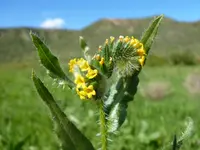
Yellow gromwell (Amsinckia calycina) is a small annual wildflower from the borage family, often found in pastures, roadsides, and open fields. It forms loose clumps of rough, hairy stems with narrow leaves.

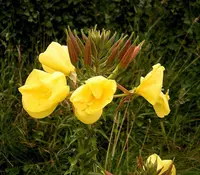
The plant produces clusters of tubular yellow flowers that age to deeper orange, attracting bees and other pollinators. It typically grows in sunny, dry locations with poor or disturbed soils.

This species is adaptable and can self-seed freely, which makes it easy to establish but sometimes weedy in mild climates. Gardeners who want to care for Yellow Gromwell should note its preference for full sun and well-drained, not overly rich, soil.

Main Plant Requirements

Care Difficulty

Easy Care

Light Preference

Full Sun

Water Requirements

Low Water

Temperature Preference

Warm Climate

Hardiness Zone

8–11

Soil Texture

Sandy, Loamy, Rocky

Soil pH

Slightly acidic (6.5–7.0), Neutral (7.0)

Soil Drainage

Well-drained

Fertilization

Minimal (feed rarely)

Get Personalized Care Plan

Scan your plant to receive care tips personalized for your specific plant

Available on iOS and Android

How to Care for the Yellow Gromwell

Amsinckia calycina prefers open, bright conditions similar to its native grassland habitats.

  • Provide full sun for 6–8 hours per day; it performs best in open exposures with unblocked sky, especially in spring and early summer.
  • Plant in a site that can handle strong midday and afternoon sun; light partial shade (2–3 hours) is tolerated but may reduce flowering and lead to taller, weaker stems.
  • In hot, dry regions, a little late-afternoon shade helps reduce leaf scorch, while too much shade causes sparse blooms and pale, stretched growth in Yellow Gromwell.

Amsinckia calycina prefers moderately dry, well-drained conditions and does not tolerate persistent wet soil.

  • Water only when the top 3–5 cm of soil feel dry and the surface looks lighter in color; established plants in the ground often need little to no summer irrigation in low-rainfall areas.
  • Use gritty, free-draining soil so excess water runs off quickly; standing water, heavy clay, or compacted sites lead to root rot and weak, collapsing stems.
  • Reduce or stop supplemental watering in cool or rainy seasons; underwatering shows as dull, limp leaves, while overwatering causes yellowing foliage and soft, mushy roots.

This species is adapted to mild, dry climates and handles a wide temperature range once established.

  • Aim for active growth in 60–75°F (16–24°C); seed germination and early development are most reliable within this moderate range.
  • Mature plants tolerate brief drops to about 25°F (−4°C), but hard freezes below this and repeated frost–thaw cycles can damage young rosettes and new shoots.
  • Heat tolerance is good up to about 90–95°F (32–35°C) if soil is not waterlogged; during very hot, dry periods, slight afternoon shade and avoiding overhead watering in peak sun reduce stress.

Humidity is rarely a concern for Amsinckia calycina, which is adapted to relatively dry air.

This species prefers light, fast-draining soil that mimics dry, open habitats.

  • Use a sandy or sandy-loam mix, such as 50–60% coarse sand with 40–50% standard potting mix.
  • Ensure sharp drainage; avoid compacted or clay-rich substrates that stay wet for more than 1 day after watering or rain.
  • Aim for slightly acidic to neutral pH, around 6.0–7.0, which supports root function and nutrient uptake.
  • Improve aeration by incorporating grit or perlite, keeping large particles evenly distributed so roots can spread easily.

This plant can be grown in containers, mainly for short-term display or habitat-style plantings.

  • Choose a broad, shallow pot to accommodate its fibrous root system and natural spreading habit without deep, unused soil staying wet.
  • Use a very free-draining medium and raise the pot slightly on feet or bricks so drainage holes never sit in collected water.
  • Prefer unglazed terracotta in rainy climates, as its porous walls help moisture evaporate faster and prevent prolonged root wetness.

This wild annual usually manages in poor soils, so Yellow Gromwell needs only light, targeted feeding in managed plantings.

  • Use a balanced, low-strength liquid fertilizer (for example 10-10-10) at 1/4–1/2 label rate if growth seems weak in lean soil.
  • Apply during the active spring–early summer growing season only, every 4–6 weeks at most.
  • Avoid fertilizing in late summer, dormancy, or winter to prevent soft, weak growth and nutrient runoff.
  • If soil is very poor, incorporate a small amount of fine compost into the top layer rather than using high-dose synthetic products.

Pruning Amsinckia calycina is minimal and mainly focuses on tidiness and seed management.

  • Deadhead spent flower spikes in late spring–early summer if reduced self-seeding is desired.
  • Remove dead, diseased, or storm-damaged stems at ground level using clean, sharp scissors or hand pruners.
  • Thin overcrowded plants by pulling or cutting entire stems to improve air circulation and reduce mildew risk.
  • Leave some dry seed heads if natural reseeding and a wilder appearance are acceptable in the planting area.

This annual is better suited to direct sowing or light transplanting outdoors than long-term container culture.

  • Transplant seedlings in early–mid spring once frost risk is low and plants have 2–3 true leaves.
  • Use well-drained, moderately poor soil; avoid rich potting mixes that encourage weak, lush growth.
  • Move seedlings with a soil plug around the roots, disturbing them as little as possible to limit transplant shock.
  • Water immediately after transplanting, then keep soil lightly moist for 7–10 days until new growth resumes.

Propagation of this species is straightforward and is almost always done from seed rather than cuttings or division.

  • Sow fresh seeds in fall or very early spring outdoors, allowing natural cold exposure to aid germination.
  • Prepare a sunny, well-drained bed and rake soil to a fine, firm surface before broadcasting seed.
  • Cover seeds very lightly (about 0.3–0.5 cm) and water gently so the top layer stays moist but not waterlogged.
  • In containers, use a gritty seed mix, provide bright light, and maintain cool to mild temperatures for steady germination.

This cool-season annual is generally cold tolerant and requires little dedicated winter care in mild to moderate climates.

  • Plants tolerate light frosts once established, especially in well-drained soil.
  • In colder regions, a thin mulch layer around young seedlings helps buffer freeze–thaw cycles without burying crowns.
  • Container-grown plants benefit from shelter in an unheated porch or cold frame to prevent root freeze in saturated media.
  • Allow dead plants to remain over winter if self-seeding and wildlife value are desired in the planting area.

Care Tips

Rotate sowing spots

Shift sowing areas each year within a larger bed or meadow strip to reduce soil-borne disease buildup and maintain strong stands when growing Yellow Gromwell in the same garden long term.

Encourage self‑seeding

Leave a portion of spent flower stalks in place until seed heads dry and start to shatter, then lightly shake them over the soil surface to promote natural reseeding and maintain future populations with minimal effort.

Light competition control

Keep nearby grasses and vigorous annuals cut back or thinned during early growth, giving young plants at least 10–15 cm of open space around each rosette so they are not shaded out.

Dry-season survival strategy

In regions with hot, dry summers, allow the plants to complete flowering and seed set, then let the foliage die back naturally instead of overwatering, as this mimics their natural annual cycle and supports better germination next season.

Low-input wildflower mixes

When integrating into wildflower or roadside mixes, pair it with other low-fertility, dry-site species and avoid high-compost seed beds, which favor aggressive competitors and can quickly push this species out of the planting.

Common Pests and Diseases

Powdery mildew

This disease causes a white, powdery coating on leaves and stems, often in dense stands or humid conditions. Symptoms include reduced vigor and premature leaf yellowing or dieback.

Solution

Remove heavily infected foliage to reduce spore load and avoid overhead watering so foliage dries quickly. Improve spacing and airflow around plants, and if needed apply a sulfur or potassium bicarbonate fungicide labeled for powdery mildew, following label directions carefully.

Rust

This disease produces small yellow to orange-brown pustules on the undersides of leaves, which can coalesce and lead to early leaf drop. Symptoms include weak, sparse growth, especially in crowded or poorly ventilated sites.

Solution

Promptly remove and dispose of affected leaves and nearby plant debris to limit spread. Improve air circulation, avoid wetting foliage, and in severe, recurrent cases use a labeled rust fungicide on young foliage as soon as spots first appear.

Aphids

These insects feed on young stems and leaf undersides, causing curling, distortion, and sticky honeydew that may attract sooty mold. This pest often builds up on lush spring growth or plants growing in richer soils than typical for this species.

Solution

Dislodge colonies with a firm stream of water and pinch off heavily infested shoot tips. Encourage or introduce natural predators such as lady beetles, and if needed use an insecticidal soap or horticultural oil, coating leaf undersides thoroughly.

Leaf-mining larvae

This pest creates pale, winding tunnels within the leaves that can reduce photosynthesis and make foliage appear blotchy and unsightly. Symptoms include thin, serpentine trails that later turn brown and dry.

Solution

Hand-remove and destroy mined leaves at the first sign of trails to interrupt the life cycle. In larger naturalized plantings, encourage predators and parasitoid wasps by maintaining plant diversity nearby, and avoid broad-spectrum insecticides that harm beneficial insects.

Interesting Facts

Coiled bud flowers

The flower buds are tightly coiled and unroll as they open, a characteristic feature of the borage family that is very evident in this species.

Early-season annual

This plant typically germinates and flowers in late winter to spring in Mediterranean-type climates, completing its life cycle before the hottest, driest part of the year.

Agricultural weed status

In parts of southern Australia, this species is considered a pasture weed because it competes with forage plants and can reduce grazing quality.

FAQs about Yellow Gromwell

This species is usually grown as an annual, completing its life cycle in a single growing season. In mild climates it may sometimes behave as a short‑lived biennial, but it does not form long‑term perennial clumps.

Grow Healthy Plants with Botan Care

Keep your plants happy and healthy with plant identification, disease detection, and easy care guidance.

Botan plant care app — identify plants on mobile

Explore More Plants