Aerides odorata Care

Aerides odorata

About Aerides odorata

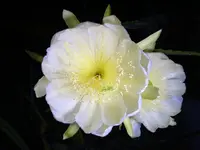
Aerides odorata is an epiphytic orchid that grows naturally on trees, forming pendent clusters of roots and long, arching flower spikes. It is valued for its dense sprays of waxy, white to pink flowers with a strong, sweet fragrance.

This species occurs across tropical and subtropical Asia, often in warm, humid forests with bright, filtered light and good air movement. It can be moderately challenging for beginners because it dislikes stagnant air, prolonged dryness, and low humidity.

Those who want to learn how to care for Aerides odorata should understand its need for stable warmth, consistent but not excessive moisture, and a very free-draining, airy growing setup.

Main Plant Requirements

Care Difficulty

Hard Care

Light Preference

Partial Shade

Water Requirements

Regular Water

Temperature Preference

Tropical / Frost Sensitive

Hardiness Zone

11–12

Soil Texture

Sandy, Rocky, Organic-rich

Soil pH

Acidic (5.5–6.5)

Soil Drainage

Moist but well-drained

Fertilization

Moderate (every 2–4 weeks)

Get Personalized Care Plan

Scan your plant to receive care tips personalized for your specific plant

Available on iOS and Android

How to Care for the Aerides odorata

This orchid thrives in bright, filtered light that mimics high tree canopy conditions.

  • Provide 6–8 hours of bright, indirect light daily, such as dappled shade under a tree or 30–50% shade cloth for Aerides odorata.
  • Allow gentle early morning sun but protect from strong midday and afternoon sun, which can scorch leaves and cause yellow patches or sunken burn marks.
  • In summer, increase shading slightly; in winter, move to a brighter position to compensate for weaker light and shorter days, watching that leaves stay medium green.

Watering should keep roots moist but never stagnant or waterlogged.

  • Water thoroughly when exposed roots turn silvery-white and feel dry, then allow excess to drain; in hot weather this may be once a day, in cooler seasons every few days.
  • Use a very open, fast-draining medium or mounted setup so water runs through within seconds and air reaches roots, reducing the risk of root rot and foul smell from overwatering.
  • Reduce watering slightly in cooler months, but do not let roots stay crisp-dry for long; wrinkled leaves indicate underwatering, while black, mushy roots signal excess moisture.

This species prefers warm, stable conditions with a gentle day–night temperature difference.

  • Aim for 70–85°F (21–29°C) during the day and 60–70°F (16–21°C) at night for strongest growth and flowering.
  • Protect the plant from cold; growth slows below about 55°F (13°C), and exposure near 40°F (4°C) can cause leaf drop and root damage.
  • In hot spells above 90°F (32°C), increase air movement and humidity and avoid hot, stagnant spots, since sustained extreme heat stresses the plant even if it survives.

This species needs high, stable humidity to perform well over time.

  • Aim for 60–80% humidity year-round, as Aerides odorata naturally grows in very moist air.
  • Tolerates only brief dips to 40–50%; extended dry indoor air causes leaf tip burn and shriveling roots.
  • Use a room humidifier, grouped plants, and a humidity tray, avoiding direct misting on flowers to reduce spotting.

This orchid prefers an airy, fast-draining, organic-based epiphytic mix rather than conventional potting soil.

  • Use a chunky blend of medium orchid bark, large perlite or pumice, and a little sphagnum moss to hold some moisture without becoming dense.
  • Ensure very rapid drainage so water runs through in seconds, leaving roots moist but never waterlogged.
  • Keep pH slightly acidic to neutral, around 5.5–7.0, which suits typical orchid bark-based mixes.
  • Avoid compact, peat-heavy or garden soil mixes that smother roots and reduce oxygen, leading to rot.

This species is suitable for container growing when mounted-style conditions are imitated in a pot or basket.

  • Choose a slatted basket or pot with side openings so roots can grow out freely and dry quickly after watering.
  • Secure the container firmly or hang from a stable support to prevent tipping from the plant’s tall, top-heavy flower spikes.
  • Use a breathable material such as wood or plastic mesh to balance moisture retention with rapid air exchange around the roots.

This epiphytic orchid benefits from light, consistent feeding during its active growth period.

  • Use a balanced orchid fertilizer (for example 20-20-20) diluted to 1/4–1/2 strength in low-mineral water.
  • Feed Aerides odorata every 1–2 weeks in spring and summer, applying to moist roots to avoid burn.
  • In fall, reduce feeding to once a month and stop or nearly stop during the coolest, darkest months.
  • Periodically flush the medium with plain water to remove accumulated salts from repeated fertilizing.

This orchid needs only minimal pruning focused on cleanliness and plant health.

  • Best time to prune Aerides odorata is after a flowering cycle, when spikes have clearly finished.
  • Remove completely dry flower spikes and dead, yellow, or mushy roots with sterilized scissors or pruning shears.
  • Trim only obviously damaged or desiccated leaves, cutting close to the stem without injuring healthy tissue.
  • Light grooming improves air flow, limits rot, and keeps the plant shape open for better light penetration.

Repotting is infrequent but important to maintain healthy roots and airflow around this epiphytic orchid.

  • Plan to repot every 2–3 years or when roots circle tightly, growth slows, or the bark has broken down.
  • Best timing is in late spring, just as new roots start, so Aerides odorata establishes quickly with less stress.
  • Gently remove old medium, keeping healthy roots intact, and trim only dead, hollow, or blackened roots.
  • Place in a slatted basket or airy pot with coarse bark or charcoal, then keep slightly shaded and evenly humid for 1–2 weeks.

This orchid is most practically propagated by division of mature plants rather than from seed at home.

  • Use stem divisions with several healthy leaves and active roots, taken in warm late spring or early summer.
  • With a sterile cutting tool, separate offshoots where roots are already present, minimizing tissue damage.
  • Set divisions in small baskets or pots with coarse, free-draining orchid mix and secure them firmly.
  • Maintain high humidity (60–80%), bright filtered light, and gentle air movement to support rooting and new growth.

This tropical orchid is frost-sensitive and needs mild, protected conditions during winter in temperate climates.

  • Keep temperatures above 55°F, with an ideal winter range of 60–65°F and good air movement.
  • Move container plants indoors or into a heated greenhouse before nights fall below 55°F.
  • Provide bright, filtered light and reduce watering so roots dry slightly between waterings in cool conditions.
  • Avoid cold drafts and keep foliage away from freezing window glass or uninsulated exterior doors.

Care Tips

Basket mounting choice

Use a slatted wooden or plastic basket with large gaps and minimal potting mix so the roots can hang freely, which reduces rot and allows better air circulation for this long-rooted orchid.


Root hydration routine

Before fertilizing, thoroughly wet the aerial roots with plain water so they can absorb nutrients more evenly and are less likely to suffer fertilizer burn.

Seasonal air movement

Provide stronger, continuous but gentle air movement in the warm, wet season to dry roots and leaves within 1–2 hours after watering, while slightly reducing airflow during cooler, drier months to prevent excessive moisture loss.

Spike protection support

Once flower spikes are 10–15 cm long, secure them loosely to a thin stake or hanger using soft ties to prevent breakage from their own weight or from moving the basket.

Controlled light acclimation

When moving the plant to a brighter position, increase light exposure gradually over 10–14 days using shade cloth or distance from the window to avoid leaf scorch while still growing Aerides odorata vigorously.

Common Pests and Diseases

Scale insects

These insects suck sap from leaves, pseudobulbs, and flower spikes, forming small brown or white bumps and causing yellowing and loss of vigor. Symptoms include sticky honeydew and black sooty mold on affected areas.

Solution

Isolate the plant, then physically remove visible scales with a cotton swab dipped in isopropyl alcohol and rinse the plant with lukewarm water. Improve air movement, avoid excessive nitrogen fertilization, and repeat alcohol swabs or use a labeled horticultural oil on all plant surfaces and mounts, keeping it off open flowers.

Mealybugs

These insects appear as white, cottony clusters in leaf axils, on roots, and around flower spikes, where they feed on sap and weaken the plant. Symptoms include stunted growth, distorted new leaves, and sticky honeydew deposits.

Solution

Remove heavy infestations with a cotton swab dipped in isopropyl alcohol, then wash the plant thoroughly, including any wooden mounts or baskets. Increase air circulation, check nearby orchids, and repeat spot treatments weekly; for persistent cases, use a low-toxicity systemic insecticide labeled for orchids and follow all label instructions carefully.

Spider mites

This pest thrives in warm, dry air and causes tiny yellow stippling on leaves, loss of gloss, and fine webbing on the undersides of leaves. Symptoms include dull, rough leaf surfaces and gradual decline, especially in plants kept too dry or in low humidity.

Solution

Shower the plant with a strong but gentle stream of water, focusing on leaf undersides, and raise humidity to 60–80% while maintaining strong air movement. For ongoing problems, apply a miticide or insecticidal soap labeled for orchids at 5–7 day intervals and avoid placing plants in hot, stagnant, low-humidity spots when growing Aerides odorata indoors.

Bacterial soft rot

This disease causes rapidly spreading, water-soaked lesions on leaves and pseudobulbs, often with a foul odor. Symptoms include collapsed, mushy tissue that can destroy an entire fan quickly in warm, wet conditions.

Solution

Immediately remove and discard all affected tissue with sterile tools, cutting well into healthy tissue, then treat the cuts with powdered cinnamon or a bactericide labeled for orchids. Keep foliage dry, improve air circulation around hanging plants, reduce overhead watering, and avoid water collecting in leaf axils, especially at night.

Fungal leaf spot

This disease develops as small yellow or translucent spots on leaves that turn brown or black and may develop a purple margin. Symptoms include scattered spots on older leaves, often following prolonged leaf wetness or poor air flow in tightly grouped orchid collections.

Solution

Prune and discard badly affected leaves with sterilized tools, and keep the plant in brighter, well-ventilated conditions so foliage dries quickly. Avoid wetting leaves late in the day, space plants to improve airflow, and apply a preventive fungicide labeled for orchids if spotting continues under good cultural conditions.

Interesting Facts

Strong citrus fragrance

This species is known for producing a powerful, sweet citrus-like scent, especially in the evening and early night, which helps attract nocturnal moth pollinators in its native Asian forests.

Pendant, many-flowered spikes

The plant forms long, hanging inflorescences that can carry dozens of tightly packed white flowers with purple or magenta markings, an adaptation to display many blossoms at once to passing pollinators.

Epiphyte of warm forests

In nature, this orchid grows as an epiphyte on trees in lowland to mid-elevation tropical forests from India and the Himalayas through Southeast Asia, anchoring to bark with thick aerial roots rather than rooting in soil.

Botan icon

Did you know?

In parts of South and Southeast Asia, highly scented forms of this species have historically been selected and exchanged by orchid enthusiasts and growers, leading to a long tradition of regional clones prized specifically for their unique fragrance strength and flower markings.

FAQs about Aerides odorata

Lack of blooms usually comes from insufficient light, too little temperature drop at night, or inadequate feeding. Mature plants need bright conditions, a slight seasonal rest, and balanced fertilization to build enough energy to set flower spikes.

Grow Healthy Plants with Botan Care

Keep your plants happy and healthy with plant identification, disease detection, and easy care guidance.

Botan plant care app — identify plants on mobile

Explore More Plants