Brassavola acaulis Care

Brassavola acaulis

About Brassavola acaulis

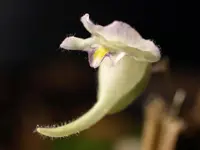
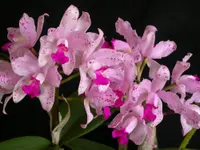
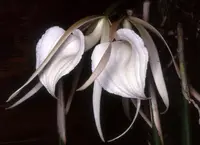
Brassavola acaulis is a small epiphytic orchid that typically grows on trees or rocks, forming compact clumps with narrow, upright leaves. Its white to greenish flowers are showy and often fragrant, especially at night.

This species is native to parts of Central America, where it experiences bright light, good air movement, and quick-drying conditions after rain. It is considered moderately easy to grow for those who understand how to care for Brassavola acaulis, mainly because it demands high light and excellent drainage but tolerates brief dryness well.

In cultivation it does best with bright, filtered light, regular moisture followed by fast drying, and a very airy orchid mix or mounted setup.

Main Plant Requirements

Care Difficulty

Moderate Care

Light Preference

Partial Sun

Water Requirements

Moderate Water

Temperature Preference

Tropical / Frost Sensitive

Hardiness Zone

11–12

Soil Texture

Sandy, Rocky, Organic-rich

Soil pH

Acidic (5.5–6.5)

Soil Drainage

Well-drained

Fertilization

Light (every 4–6 weeks)

Get Personalized Care Plan

Scan your plant to receive care tips personalized for your specific plant

Available on iOS and Android

How to Care for the Brassavola acaulis

This orchid prefers bright conditions with strong light but some protection from harsh midday sun.

  • Provide 4–6 hours of bright, filtered light daily, such as early morning sun with light shade from late morning to mid-afternoon.
  • Outdoors, give dappled shade under a tree or 30–50% shade cloth to prevent leaf scorch while still supporting compact, flowering growth in Brassavola acaulis.
  • If new leaves stretch, darken, or flowering declines, increase light; if leaves turn yellow with dry patches, reduce direct midday sun exposure.

This species prefers a wet–dry cycle rather than constantly moist roots.

  • Water thoroughly, then allow roots and medium to dry almost completely before watering again; in a chunky, fast-draining mix this often means watering when it feels nearly dry to the touch.
  • In warm, bright conditions, watering may be needed every few days, but in cooler or darker periods extend the interval so pseudobulbs stay firm, not shriveled.
  • Reduce watering in cooler seasons and watch for signs: yellowing, limp leaves or blackened roots suggest overwatering, while wrinkled pseudobulbs indicate underwatering.

This orchid prefers warm to intermediate temperatures with a clear drop at night.

  • Aim for daytime temperatures of 70–85°F (21–29°C) and nights of 60–65°F (16–18°C) for steady growth and flowering.
  • Avoid temperatures below 55°F (13°C); short dips to 50°F (10°C) are usually tolerated if dry, but repeated cold stress slows growth and increases rot risk.
  • In hotter periods above 90°F (32°C), increase air movement and shade to prevent heat stress, and never expose Brassavola acaulis to frost or near-freezing conditions.

This orchid prefers moderate humidity but adapts to typical home levels if airflow is strong.

  • Aim for 40–60% humidity; brief drops lower are tolerated if watering is consistent.
  • Dry air stress shows as wrinkled pseudobulbs, slower growth, and slightly limp leaves.
  • Increase humidity with a nearby pebble tray, grouping plants, or a small fan-assisted humidifier rather than misting heavily.

Brassavola acaulis grows best mounted or in a very open, bark-based orchid medium rather than dense potting soil.

  • Use a chunky mix of medium orchid bark, large perlite or pumice, and a little charcoal to keep structure open.
  • Ensure extremely rapid drainage; water should run through in seconds and not pool around the roots.
  • Aim for slightly acidic to neutral conditions around pH 5.5–7, typical of commercial orchid mixes.
  • Avoid fine peat-heavy or compact mixes that stay wet, as they exclude air, reduce aeration, and promote root rot.

This species is suitable for container culture when given a very open, free-draining setup.

  • Choose a shallow, wide orchid basket or slotted pot so roots can attach and dry quickly after watering.
  • Use a rigid, heavier container or hang the basket securely to prevent tipping as the plant becomes more top-heavy.
  • Select pots with side slits or mesh walls, which increase air movement around the roots and reduce moisture buildup.

This orchid benefits from light, consistent feeding while actively growing.

  • Use a balanced orchid fertilizer (around 20-20-20) diluted to 1/4–1/2 strength for Brassavola acaulis.
  • Apply every 2–3 weeks during the growing season when roots and new pseudobulbs are developing.
  • Reduce feeding to once a month, very dilute, in winter or when growth pauses.
  • Flush the potting medium with plain water monthly to prevent salt buildup and root burn.

Pruning needs are minimal and focus on hygiene rather than shaping this orchid.

  • Best time to trim is after flowering, when spent spikes have clearly dried and yellowed.
  • Remove dead, shriveled pseudobulbs, dry sheaths, and brown roots with sterile, sharp scissors.
  • Avoid cutting healthy green pseudobulbs, as these store water and nutrients for Brassavola acaulis.
  • Light removal of old, congested growth can improve air flow and reduce fungal problems.

This epiphytic orchid prefers infrequent repotting and dislikes root disturbance.

  • Repot only when roots spill heavily over the pot or mount, or the medium breaks down and stays soggy.
  • Best timing is in spring, just as new roots emerge, to help Brassavola acaulis reestablish quickly.
  • Typical interval is every 2–3 years, using a very coarse orchid mix or mounting on bark or cork.
  • Handle roots gently, trim only dead, mushy ones, and keep the plant slightly shaded and evenly moist for 1–2 weeks afterward.

Propagation is usually done by division rather than from seed in home conditions.

  • Divide mature clumps in late spring when new roots start, ensuring each division has 3–5 healthy pseudobulbs.
  • Use a sterile knife or pruning shears and dust cuts with powdered cinnamon or horticultural sulfur to limit infection.
  • Mount or pot divisions in a coarse, fast-draining orchid mix and secure them firmly to prevent wobbling.
  • Provide bright, filtered light, high humidity (60–70%), and gentle air movement to encourage quick root establishment.

This tropical orchid is not frost hardy and needs sheltered conditions in winter.

  • Keep Brassavola acaulis indoors or in a heated greenhouse where temperatures remain above 55°F.
  • Provide bright light and slightly cooler nights (55–60°F) to support its natural dry, cool rest period.
  • Water less often in winter, allowing the medium to dry more between waterings, but do not let pseudobulbs shrivel deeply.
  • Avoid cold drafts and keep foliage away from freezing window glass to prevent tissue damage.

Care Tips

Mounting strategy

Use a cork slab or hardwood mount with long-fiber sphagnum only around the roots (not over the rhizome) so new growths can attach and spread freely along the surface.

Air movement management

Set a small oscillating fan on low near the plant to keep air moving across roots and leaves, which reduces fungal problems and helps the roots dry at an appropriate rate after watering.

Root monitoring

Inspect exposed roots every few weeks and trim only dead, hollow, or mushy sections with sterilized tools, leaving firm, silvery or green roots intact to maintain the plant’s support and water uptake.

Seasonal water shift

In late autumn, gradually extend the interval between waterings and keep the plant brighter and drier through winter rest, then resume more frequent watering as new root tips and shoots appear in spring when growing Brassavola acaulis.

Light acclimation

Increase light intensity in stages over 2–3 weeks when moving the plant to a brighter spot, watching for slight yellowing rather than brown patches, which indicates the upper limit of safe light exposure.

Common Pests and Diseases

Scale insects

This pest commonly settles on Brassavola pseudobulbs and leaf bases, feeding on sap and causing yellowing, weak growth, and sticky honeydew deposits.

Solution

Remove by gently rubbing with cotton swabs dipped in 70% isopropyl alcohol, then rinse the plant with lukewarm water and improve air movement; for persistent infestations, use a horticultural oil or insecticidal soap applied carefully to all plant surfaces, repeating every 7–10 days as needed.

Spider mites

These insects thrive on Brassavola in warm, dry conditions, causing fine stippling on leaves, dull color, and sometimes very fine webbing on the undersides.

Solution

Increase humidity around the plant, then wash leaves thoroughly with a strong but gentle stream of lukewarm water; follow with insecticidal soap or a miticide labeled for orchids, applied to both sides of leaves and repeated several times to break the life cycle.

Mealybugs

This pest hides in leaf axils and between pseudobulbs, appearing as white cottony clusters that weaken the plant and can deform new growth.

Solution

Inspect crevices closely, remove visible insects with alcohol-dipped cotton swabs, and rinse the plant; in heavier infestations, apply insecticidal soap or a systemic insecticide suitable for orchids and isolate the plant until no new insects appear.

Bacterial soft rot

This disease attacks thick Brassavola leaves and pseudobulbs, causing rapidly spreading, water-soaked, foul-smelling areas that turn brown or black.

Solution

Cut away all affected tissue well into healthy, firm tissue using sterile tools, dust cuts with ground cinnamon or a bactericide, reduce watering, and increase airflow; keep water off leaves and pseudobulbs, especially in cool conditions, to prevent recurrence.

Leaf spotting fungi

Symptoms include small yellow, brown, or black spots on leaves that may merge under cool, damp, low-airflow conditions typical of crowded orchid-growing areas.

Solution

Remove and discard heavily spotted leaves, improve spacing and air circulation around the plant, and avoid overhead watering; if new spots continue to appear, apply a fungicide labeled for orchids according to directions until new growth remains clean.

Interesting Facts

Leafless appearance

This orchid has extremely short or almost absent pseudobulbs and no showy leaves, so its narrow, succulent stems and roots do most of the photosynthesis instead of typical foliage.

Night-fragrant flowers

The white, star-shaped flowers release a strong fragrance at night, an adaptation to attract nocturnal moth pollinators that navigate by scent in low light.

Limestone specialist

In nature it often grows on limestone rocks or trees in seasonally dry forests, where it tolerates high light and rapid drainage that would stress many other orchids.

FAQs about Brassavola acaulis

Lack of blooms usually results from insufficient light intensity, inadequate seasonal temperature drop at night, or too much fertilizer high in nitrogen. A pronounced dry rest after growth, plus brighter conditions, often triggers flowering for this species.

Grow Healthy Plants with Botan Care

Keep your plants happy and healthy with plant identification, disease detection, and easy care guidance.

Botan plant care app — identify plants on mobile

Explore More Plants