Alpinia shimadae Care

Alpinia shimadae

About Alpinia shimadae

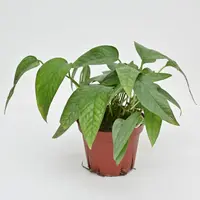
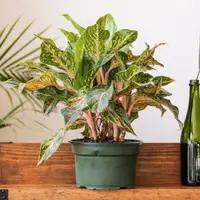
Alpinia shimadae is a rhizomatous perennial from the ginger family, valued for its upright clumps of lush, lance-shaped foliage. It forms dense, leafy stems that give a tropical look even when not in flower.

This species occurs naturally in subtropical East Asia, often in humid forest understories with filtered light and consistently moist soils. It is generally considered a moderate plant to grow, as it resents drought, cold, and prolonged direct sun. With warm temperatures, rich, well-drained soil, and steady moisture, it adapts well to sheltered gardens and large containers, making it practical for those learning how to care for Alpinia shimadae.

Main Plant Requirements

Care Difficulty

Moderate Care

Light Preference

Partial Shade

Water Requirements

Keep Soil Moist

Temperature Preference

Tropical / Frost Sensitive

Hardiness Zone

10–11

Soil Texture

Loamy, Silty, Organic-rich

Soil pH

Acidic (5.5–6.5), Slightly acidic (6.5–7.0)

Soil Drainage

Moist but well-drained

Fertilization

Light (every 4–6 weeks)

Get Personalized Care Plan

Scan your plant to receive care tips personalized for your specific plant

Available on iOS and Android

How to Care for the Alpinia shimadae

This shade-tolerant ginger prefers bright, indirect light with some gentle sun exposure.

  • Provide 3–5 hours of soft morning sun with bright, filtered light for the rest of the day; avoid harsh afternoon sun that can scorch leaves.
  • Site Alpinia shimadae in dappled shade under taller plants or a lightly shaded patio, where it receives shifting light rather than direct overhead sun.
  • In summer, protect from strong midday sun, and in winter maximize exposure by avoiding deep shade, which leads to weak, stretched growth.

This rhizomatous perennial prefers evenly moist, not soggy, soil around its root zone.

  • Water when the top 3–5 cm of soil feel dry, aiming for consistently damp soil that never stays waterlogged to protect rhizomes from rot.
  • Use well-drained, organic-rich soil; if water pools for more than 1–2 hours after irrigation, improve drainage with coarse sand or fine bark.
  • Increase moisture in active growth and hot weather, then reduce slightly in cooler seasons; wilting, curling leaves signal dryness, while yellowing and mushy stems suggest overwatering in Alpinia shimadae.

This species prefers warm, frost-free conditions similar to a humid subtropical or tropical climate.

  • Aim for 65–85°F (18–29°C) during the growing season for steady growth and flowering, avoiding sudden temperature swings.
  • Protect from cold below 50°F (10°C); foliage is damaged near 40°F (4°C), and hard frost can kill stems and shallow rhizomes.
  • In hot spells above 90°F (32°C), provide partial shade and extra soil moisture; in cooler climates, mulch the root zone in fall to buffer temperature drops.

This species prefers moderately humid air and reacts quickly to very dry conditions.

  • Aim for 50–70% humidity, as prolonged levels below 40% often cause leaf-edge browning and tip dieback.
  • Expect increased curling, slow growth, and crisp margins as signs of humidity stress in heated or air-conditioned rooms.
  • Use a wide pebble tray, grouped plants, or a small humidifier near the plant rather than misting, which adds only brief surface moisture.

Alpinia shimadae grows best in deep, loose, moist but well-drained soil rich in organic matter.

  • Use a loamy mix of roughly 40% peat-free compost, 30% fine bark, and 30% perlite or coarse sand to balance moisture retention and drainage.
  • Aim for slightly acidic to neutral pH around 6.0–7.0, which supports nutrient uptake and reduces micronutrient lockout.
  • In heavier native soil, incorporate generous compost and coarse grit into the top 20–30 cm to improve aeration and prevent waterlogging around rhizomes.
  • Avoid compacted clay, standing water, or mixes dominated by fine peat that stay saturated and promote root and rhizome rot.

This species is suitable for container growing when given enough root space and careful moisture control.

  • Choose a wide, heavy pot that resists tipping, as tall leafy shoots and spreading rhizomes can make the plant top-heavy in wind.
  • Select slightly porous materials like unglazed clay if the site is rainy or shaded, to let the mix dry more evenly between waterings.
  • Use a container at least 30–40 cm deep so rhizomes can spread horizontally without circling tightly near the pot wall.

This ginger shrub benefits from moderate feeding to support leafy growth and flowering.

  • Use a balanced fertilizer (around 10-10-10 NPK) or a slow-release granular product in spring as growth starts.
  • Feed Alpinia shimadae every 4–6 weeks through late summer, following label rates at about 1/2 strength for container plants.
  • In rich garden soil, supplement with a light layer of compost once per year instead of frequent synthetic feeding.
  • Stop fertilizing in fall and winter to allow natural rest and prevent soft, frost-sensitive growth.

Pruning keeps this clumping ginger tidy and maintains healthy, vigorous canes.

  • Best time for pruning is late winter or early spring, before strong new shoots emerge.
  • Cut dead, damaged, or diseased stems at the base with clean, sharp pruners to reduce pests and rot.
  • Remove the oldest, crowded canes to open the clump, improving air flow and light penetration for new growth.
  • Lightly trim spent flower stalks to direct energy back into rhizomes and maintain a neat appearance on Alpinia shimadae.

This rhizomatous ginger forms dense clumps and occasionally needs more space for healthy growth.

  • Look for roots circling the pot, water running straight through, or slowed growth as signs it needs a larger container or division.
  • Aim to repot or transplant every 2–3 years in spring, when active growth resumes and recovery is fastest.
  • Choose a slightly larger pot or prepared garden site with moist, well-drained soil, setting the rhizomes at the same depth as before for Alpinia shimadae.
  • Reduce root stress by watering well before and after moving, keeping roots shaded, and trimming only damaged portions rather than heavily cutting back.

This species is most reliably propagated by division of its rhizomatous clumps.

  • Divide established plants in spring, when new shoots are just emerging and temperatures are mild.
  • Lift the clump and cut rhizomes into sections, each with at least 1–2 healthy shoots and a good root portion.
  • Plant divisions in moist, well-drained soil, keeping rhizomes just below the surface and spacing them to allow future spread.
  • Maintain warm conditions (65–80°F), steady moisture, and light shade to encourage rapid establishment of new plants of Alpinia shimadae.

This tropical ginger is frost-sensitive and benefits from protective winter care in cooler climates.

  • In mild climates, apply a 5–8 cm mulch layer over the root zone in late fall to buffer temperature swings.
  • Where hard frost occurs, allow foliage to die back, then cut it to the base and keep the rhizome mulched.
  • For container plants, move Alpinia shimadae indoors to a bright, cool, frost-free space before temperatures drop near freezing.

Care Tips

Rhizome Division Timing

Divide clumps only when the rhizomes are crowded and new shoots appear in spring, cutting cleanly with a sterilized knife and replanting divisions at the same depth to keep the stand vigorous and manageable.

Wind And Weight Support

In exposed sites or where inflorescences are heavy, install discreet stakes or a low plant ring around the clump before stems elongate to prevent wind rock and snapping of tall canes.

Mulch For Root Comfort

Apply a 5–8 cm layer of composted bark or leaf mold around the base each spring, keeping it a few cm away from stems, to stabilize soil moisture and protect shallow rhizomes from heat and cold stress.

Cold-Season Protection

In marginal climates, mound mulch over the root zone in late fall and use a breathable frost cloth during cold snaps to help overwinter rhizomes that might otherwise be damaged.

Sanitation To Limit Pests

Remove spent flower stalks and yellowing leaves promptly and dispose of them in the trash, not the compost, to reduce hiding places and breeding sites for pests when caring for Alpinia shimadae.

Common Pests and Diseases

Bacterial leaf spot

This disease causes water-soaked, translucent spots on leaves that turn brown and may be surrounded by yellow halos, especially in warm, wet conditions. Symptoms include irregular lesions that can coalesce and lead to partial leaf blight.

Solution

Remove and discard affected leaves, avoid overhead watering, and keep foliage as dry as possible by watering at the soil level. Improve air circulation around clumps, reduce crowding, and in humid regions consider a copper-based bactericide applied according to label directions at the first sign of spotting as part of broader Alpinia shimadae care instructions.

Ginger rust

This disease produces small yellow to orange pustules on the undersides of leaves, often leading to yellowing and premature leaf drop. Symptoms include reduced vigor in dense, shaded, and poorly ventilated plantings.

Solution

Cut off and discard infected leaves, thinning dense growth to improve air movement and reduce leaf wetness periods. Avoid overhead irrigation, space plants generously, and if rust recurs, use a labeled fungicide for rust on ornamentals, rotating products to reduce resistance risk.

Rhizome nematodes

These microscopic worms feed inside rhizomes and roots, leading to stunted growth, thin foliage, and poor clump expansion. Symptoms include weak new shoots and plants that fail to respond to normal fertilizing and watering.

Solution

Discard severely affected clumps and avoid replanting ginger relatives in the same soil for several years. For mild cases, divide plants, keep only the firm, healthy rhizome sections, improve soil drainage and organic matter, and source new plants from reputable, nematode-free nurseries.

Spider mites

These insects are tiny sap feeders that cause fine speckling, dull leaves, and occasional webbing, especially during hot, dry weather or in heated indoor spaces. Symptoms include leaves losing gloss and gradually turning yellow or bronze.

Solution

Rinse foliage thoroughly with a firm stream of lukewarm water, including leaf undersides, and repeat every few days to break the life cycle. Raise humidity around the plant, isolate heavily infested specimens, and if needed use insecticidal soap or horticultural oil, applying carefully to both sides of the leaves.

Root-knot nematodes

These soil-dwelling pests create galls or swellings on roots, leading to wilting in heat, uneven growth, and poor response to fertilizer. This pest is more frequent in sandy or previously infested soils where gingers are grown repeatedly.

Solution

Remove and dispose of heavily affected plants and their surrounding soil where feasible, then solarize the soil in sunny climates by covering it with clear plastic for several weeks in summer. In existing landscapes, improve soil organic matter, use nematode-resistant cover crops in off seasons where practical, and avoid moving infested soil or tools to clean planting areas.

Interesting Facts

Rare Taiwanese ginger

This species is a rare, range-restricted ginger native to Taiwan, documented from only a few localities in moist, shaded forest habitats at mid elevations.

Distinctive floral structure

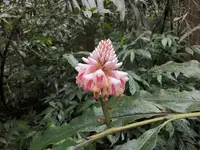
Its inflorescences carry white to pale flowers with a marked yellow and red labellum (lip petal), a key feature used by botanists to distinguish it from closely related Alpinia species.

Forest understorey specialist

The plant is adapted to life in the forest understorey, where it grows in humus-rich, consistently moist soils and relies on dappled light filtered through the canopy.

FAQs about Alpinia shimadae

This species performs best outdoors in warm, frost-free climates where it has space, humidity, and air movement. Indoors, growth is slower and flowering less reliable, so treat it more as a foliage specimen in bright, stable conditions.

Grow Healthy Plants with Botan Care

Keep your plants happy and healthy with plant identification, disease detection, and easy care guidance.

Botan plant care app — identify plants on mobile

Explore More Plants