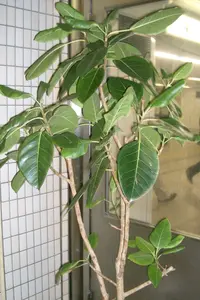
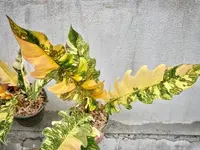
Pothos Care (Epipremnum aureum 'Global Green')

About Pothos

Epipremnum aureum 'Global Green' is a tropical evergreen vine grown mainly as an indoor foliage plant. It is valued for its dense, heart-shaped leaves with mottled medium and dark green patterns. The plant naturally occurs in tropical regions of the South Pacific but is now common in indoor collections worldwide.

It usually grows as a trailing or climbing vine, adapting well to shelves, hanging baskets, or support poles. This cultivar is considered easy to grow due to its tolerance of typical indoor conditions and occasional care lapses.

It responds best to bright, indirect light, moderate moisture, and a well-draining potting mix. For beginners learning how to care for Pothos, this variety offers reliable growth and attractive foliage with relatively low effort.

Main Plant Requirements

Care Difficulty

Easy Care

Light Preference

Bright Indirect Light

Water Requirements

Moderate Water

Temperature Preference

Tropical / Frost Sensitive

Hardiness Zone

11–12

Soil Texture

Loamy, Peaty, Organic-rich

Soil pH

Acidic (5.5–6.5), Slightly acidic (6.5–7.0)

Soil Drainage

Moist but well-drained

Fertilization

Light (every 4–6 weeks)

Get Personalized Care Plan

Scan your plant to receive care tips personalized for your specific plant

Available on iOS and Android

How to Care for the Pothos

This cultivar prefers bright, indirect light to keep its green variegation clear and stable.

  • Provide 6–8 hours of bright, filtered light each day, such as near an east- or north-facing window or under sheer curtains indoors for typical Pothos indoor care.
  • Tolerates partial shade, but in low light growth slows and new leaves may emerge smaller and less variegated; rotate the plant every 2–3 weeks for even exposure.
  • Avoid harsh midday or afternoon sun, which can scorch leaves; in summer, move slightly back from hot windows, but in winter shift closer to capture weaker light.

Epipremnum aureum 'Global Green' prefers moderate, even moisture with brief dry periods between waterings.

  • Water when the top 2–4 cm of soil feels dry to the touch; insert a finger to check rather than following a strict calendar schedule.
  • Use a well-draining mix with drainage holes so excess water escapes; yellowing, soft leaves and a sour smell indicate overwatering and possible root rot.
  • In spring and summer, the plant may need water more often as growth speeds up; in fall and winter, extend intervals and watch for limp, curling leaves as a sign of underwatering.

Stable, warm temperatures support steady growth and limit stress for this plant.

  • Aim for 65–80°F (18–27°C) for best growth, with only brief dips below this range; avoid sudden swings caused by open windows or strong air conditioning.
  • Keep it above 55°F (13°C); prolonged exposure below this can cause leaf yellowing, dark patches, and slowed growth, and the plant does not tolerate frost at all.
  • Tolerates short periods up to about 85°F (29°C) if humidity and soil moisture are adequate; in hot, dry conditions, keep out of direct sun and monitor soil so it does not dry out completely.

Epipremnum aureum 'Global Green' prefers moderate indoor humidity but adapts to typical home conditions.

  • Aim for 40–60% humidity to keep foliage lush and reduce leaf-edge browning.
  • It tolerates drier air, but watch for brown, crispy tips or curling leaves as signs of humidity stress.
  • Increase humidity with a nearby humidifier, grouping plants, or placing the pot above (not in) a pebble-and-water tray.

Epipremnum aureum 'Global Green' grows best in loose, airy, organic-rich substrate that drains quickly yet holds some moisture.

  • Use a mix of roughly 2 parts all-purpose potting mix, 1 part perlite, and 1 part fine bark or coco coir for structure and aeration.
  • Ensure water drains through in seconds, not minutes; heavy, compact, or clay-based substrates increase root-rot risk.
  • A slightly acidic to neutral pH around 6.0–7.0 supports nutrient uptake and stable growth.
  • Improve drainage and oxygen around roots by avoiding fine sand and regularly checking that drainage holes remain unobstructed.

This plant is well suited to container growing in homes and offices.

  • Choose a stable, wider container or use a weighted cachepot if training vines upward to prevent tipping as the plant gains mass.
  • Select pot materials strategically; porous terracotta dries faster and suits heavy waterers, while plastic retains moisture longer for drier homes.
  • Provide enough horizontal space for trailing stems by choosing a pot that fits on shelves or hanging setups without cramping stems at the rim.

Epipremnum aureum 'Global Green' benefits from light, consistent feeding during its active growing season.

  • Use a balanced liquid houseplant fertilizer (around 10-10-10 or 20-20-20) diluted to 1/4–1/2 strength in spring and summer.
  • Apply every 4–6 weeks when growth is active, skipping feedings if the potting mix stays very wet or plant growth slows.
  • Pause or reduce feeding to 1 light application in late winter, as indoor Pothos growth is slower in low light.
  • Slow-release pellets or a thin layer of finished compost on top of the soil can supply nutrients for 2–3 months.

Pruning helps keep Epipremnum aureum 'Global Green' compact, full, and healthy indoors.

  • Time the main pruning for spring or early summer, when light is stronger and growth is active.
  • Use clean, sharp scissors or pruners to remove dead, yellowing, or damaged leaves and stems back to a node.
  • Shorten overly long, bare vines above a leaf node to encourage branching and a bushier hanging or climbing plant.
  • Occasionally thin crowded stems at the base to improve airflow and light penetration through the foliage.

Repotting helps maintain root health and steady growth for this vining aroid.

  • Check for roots circling the pot, pushing from drainage holes, or noticeably slower growth as signs it needs repotting.
  • Plan to repot every 1–2 years in spring, choosing a container 2–5 cm wider with drainage holes.
  • Gently loosen circling roots, remove some old mix, and replant in fresh, well-draining indoor potting soil.
  • Water thoroughly after repotting, then keep soil slightly moist and out of direct sun for 7–10 days to limit transplant stress.

New Epipremnum aureum 'Global Green' plants are most often produced from stem cuttings.

  • Take 8–12 cm stem cuttings in late spring or summer, each with at least 1–2 nodes and a healthy leaf.
  • Root cuttings in water or directly in moist, well-draining mix, keeping nodes submerged or buried.
  • Maintain temperatures around 70–80°F, bright indirect light, and high humidity to support root development.
  • After strong roots form, pot into small containers and transition gradually to normal watering intervals.

This tropical vine is frost tender and needs indoor conditions above freezing in winter.

  • Keep indoor temperatures near 65–75°F and avoid placing the plant near cold drafts or heaters.
  • Move any outdoor containers inside before temperatures drop below 55°F, checking for pests beforehand.
  • Allow the top of the soil to dry a bit more between waterings and avoid cold tap water on roots.
  • Reduce or stop fertilizing in mid to late fall, resuming stronger feeding when days lengthen in spring.

Care Tips

Enhance Variegation

Rotate the pot a quarter turn every 2–3 weeks so all sides receive similar light, which helps maintain the stable green patterning instead of reverting to flat, dark foliage.

Directed Vine Training

Use small adhesive hooks or a wire grid to guide vines horizontally near the light source, encouraging fuller leaf spacing and more uniform growth rather than long, sparse trailing stems.

Selective Node Propagation

When trimming, cut just below a node that has a visible aerial root nub, then root that section in water or moist perlite to produce faster, more reliable new plants and help maintain a dense mother plant.

Support For Larger Leaves

If vines begin producing larger leaves, offer a moss pole or rough stake and loosely tie stems with soft ties, which allows aerial roots to attach and can gradually increase leaf size and vigor.

Prevent Salt Build-Up

Every 2–3 months, take the pot to a sink and slowly run tepid water through the soil until it drains freely for 30–60 seconds to flush excess fertilizer salts that can cause marginal leaf burn when growing Pothos long term indoors.

Common Pests and Diseases

Spider mites

This pest thrives on Global Green foliage kept in warm, dry indoor air and causes tiny yellow stippling and fine webbing on leaves. Symptoms include dull, dusty-looking foliage and slow decline of new growth.

Solution

Rinse both sides of the leaves and stems under a gentle shower or sink spray, then wipe to remove mites and webbing. Increase humidity, isolate the plant, and repeat washing every 5–7 days; if needed, apply insecticidal soap or a neem-oil-based spray, focusing on leaf undersides.

Mealybugs

These insects feed on sap and are attracted to dense, vining growth and leaf nodes, leaving white cottony clusters and sticky honeydew. Symptoms include distorted new leaves and sooty mold growing on the sugary residue.

Solution

Remove visible clusters with cotton swabs dipped in 70% isopropyl alcohol, then gently wash the plant with lukewarm water and mild insecticidal soap. Check leaf axils and stems weekly and repeat spot treatments until no new insects appear; reduce excess fertilizer that promotes very soft, lush growth.

Scale insects

This pest appears as small brown or tan bumps along stems and leaf midribs that do not rub off easily. Symptoms include gradual yellowing, leaf drop, and sticky honeydew on leaves or nearby surfaces.

Solution

Scrape or pick off individual scales using a fingernail or soft tool, then wipe stems with a cloth lightly moistened with 70% isopropyl alcohol. Follow with a thorough spray of horticultural oil or neem oil, repeating every 10–14 days to target newly hatched crawlers while improving overall Pothos indoor care.

Bacterial leaf spot

This disease causes water-soaked, translucent patches that turn brown with yellow halos, often starting on leaves that stay wet for long periods. Symptoms include irregular spots that may enlarge and cause sections of the leaf to collapse.

Solution

Remove and discard affected leaves, sterilizing scissors with alcohol between cuts, and avoid overhead watering so leaves dry quickly. Improve air circulation, reduce crowding, and keep foliage dry; in severe or recurring cases, discard heavily affected plants and avoid reusing contaminated pots or soil.

Southern blight

This disease, caused by a soilborne fungus, develops in warm, wet conditions and leads to sudden stem collapse at the soil line, with white, cottony growth and small tan sclerotia on the soil surface. Symptoms include rapid wilting despite moist soil and failure of stems to stay turgid even after watering.

Solution

Discard severely affected plants and all surrounding soil, and clean the pot thoroughly before reuse, since the fungus persists in debris. To prevent spread, avoid overwatering, keep the crown slightly above soil level, remove fallen leaves from the pot, and avoid placing healthy Global Green directly into reused, unsterilized soil from a failed plant.

Interesting Facts

Chimeric leaf pattern

The irregular mid-green and dark green patterning on each leaf results from chimeric tissue, where genetically different cell layers coexist in the same leaf, creating a stable but non-symmetrical variegation.

Sport selection origin

This cultivar was first identified as a naturally occurring sport, or spontaneous mutation, of standard Epipremnum aureum and then stabilized through selective propagation to maintain its characteristic mottled green foliage.

Slower, compact growth

Compared with common golden or jade pothos types, this plant typically grows more slowly and stays visually denser, because its chimeric foliage diverts more energy to maintaining variegated tissues than to rapid vine extension.

Botan icon

Did you know?

This cultivar has been granted plant patent protection in some markets, meaning its exact green-on-green variegation pattern and propagation for commercial sale are legally regulated as a distinct, formally recognized selection.

FAQs about Pothos

Yellowing leaves often result from overwatering, poor drainage, or natural aging of older foliage. Check that the pot has drainage holes, empty saucers, and allow the top layer of potting mix to dry slightly between waterings.

Grow Healthy Plants with Botan Care

Keep your plants happy and healthy with plant identification, disease detection, and easy care guidance.

Botan plant care app — identify plants on mobile

Explore More Plants