Label Dormant Pots
Mark pot rims with the species name and location so you do not discard or overplant containers while the tubers are dormant and invisible above the surface.

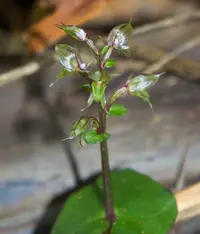
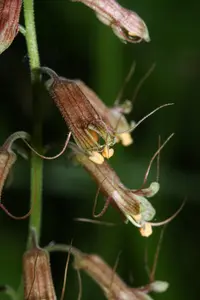
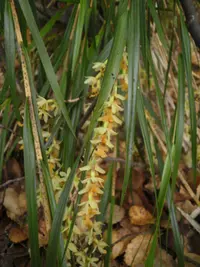
Pixie cap, Acianthus sinclairii, is a small terrestrial orchid native to forested areas of New Zealand. It typically grows in loose colonies on the forest floor. The plant forms low rosettes of soft, often mottled leaves, and sends up slender stems with delicate, hooded flowers that give it a distinctive, miniature look. It has a seasonal growth pattern and often rests or dies back when conditions are not favorable. This species prefers cool, shaded, and consistently moist environments with airy, humus-rich soil, which can make it challenging to maintain indoors. Understanding its natural woodland habitat is key to knowing how to care for Pixie cap.

Care Difficulty
Hard Care

Light Preference
Partial Shade

Water Requirements
Keep Soil Moist

Temperature Preference
Cool Climate

Hardiness Zone
8–10

Soil Texture
Loamy, Peaty, Organic-rich

Soil pH
Acidic (5.5–6.5)

Soil Drainage
Moist but well-drained

Fertilization
Minimal (feed rarely)
Scan your plant to receive care tips personalized for your specific plant
Available on iOS and Android
This terrestrial orchid prefers cool, shaded forest-like light conditions to maintain healthy leaves and blooms.
This species prefers consistently moist but not waterlogged soil, reflecting its woodland origins.
This cool-temperate orchid is adapted to mild, frost-prone woodland climates rather than high heat.
This terrestrial orchid prefers moderately moist air but usually adapts to typical indoor humidity.
This species needs loose, humus-rich, sharply drained soil that mimics leaf-litter over rocky forest ground.
This orchid can be grown in containers if the pot and medium are managed for fast drainage and cool roots.
This terrestrial orchid from low-nutrient habitats needs only light, careful feeding to stay healthy in pots.
Acianthus sinclairii needs only minimal pruning focused on hygiene rather than shaping.
This small terrestrial orchid dislikes disturbance, so repot or transplant only when clearly necessary.
Propagation of Acianthus sinclairii is possible but slow and best attempted by patient, experienced growers.
This cool-climate terrestrial orchid is moderately cold hardy and usually needs only light winter management in mild regions.

Plant Health Check
Not sure what's wrong with your plant? Check your plant's health inside the app.
This small ground orchid is naturally found only in New Zealand, where it grows in leaf litter on forest floors rather than as an epiphyte on trees like many other orchids.
The species typically produces its single, heart-shaped leaf in the cooler months, remaining green through winter and often persisting when surrounding herbaceous plants have died back.
Like many orchids, it produces dust-like seeds that can be transported short distances by ants, a mutualistic relationship known as myrmecochory, which helps the plant slowly colonize suitable forest microhabitats.

The flowers of this species are adapted for pollination by small gnats and midges, using translucent and dark markings on the labellum as visual guides and a faint scent to attract these specific insects within its shaded forest habitat.
This forest orchid flowers after a cool, moist rest followed by gradual warmth and brighter light. Lack of bloom usually comes from too-warm winter, very dry rest, or disturbance of the tubers; avoid repotting until necessary.
Keep your plants happy and healthy with plant identification, disease detection, and easy care guidance.