Gagnep Care (Alpinia intermedia)

Gagnep

About Gagnep

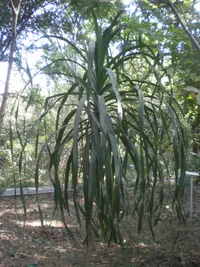
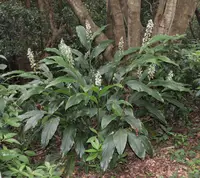
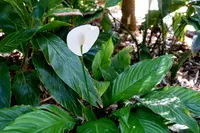
Gagnep, botanically known as Alpinia intermedia, is a rhizomatous perennial in the ginger family. It forms clumps of upright stems with lush, lance-shaped leaves. Plants often develop showy flower spikes that add structure and texture rather than bright color. In gardens it is grown mainly for its foliage and architectural form.

This species is native to tropical Asia, where it grows in warm, humid conditions with regular moisture. It adapts best in sheltered, frost-free locations and can be grown in large containers. To care for Gagnep, provide bright, filtered light, evenly moist but not waterlogged soil, and protection from cold or very dry air.

Main Plant Requirements

Care Difficulty

Moderate Care

Light Preference

Partial Shade

Water Requirements

Keep Soil Moist

Temperature Preference

Tropical / Frost Sensitive

Hardiness Zone

10–11

Soil Texture

Loamy, Organic-rich

Soil pH

Acidic (5.5–6.5)

Soil Drainage

Moist but well-drained

Fertilization

Light (every 4–6 weeks)

Get Personalized Care Plan

Scan your plant to receive care tips personalized for your specific plant

Available on iOS and Android

How to Care for the Gagnep

Alpinia intermedia prefers bright, indirect light that mimics a lightly shaded tropical understory.

  • Provide 3–5 hours of gentle morning sun with filtered or dappled light the rest of the day; protect from harsh midday and afternoon sun.
  • Plant in partial shade outdoors, such as on the east or north side of buildings, since intense full sun can scorch leaves and fade variegation linked to Gagnep forms.
  • In summer, monitor for leaf curl or brown edges from excess sun; in darker seasons, move slightly closer to light to prevent weak, stretched growth.

This species prefers consistently moist but not waterlogged soil, with slight surface drying between waterings.

  • Water when the top 2–3 cm of soil feels dry to the touch; moisture should be even around the root zone, not just at the surface.
  • Use deep, thorough watering into freely draining soil so excess water runs off, reducing risks of root rot, yellowing leaves, and sour smell from overwatering.
  • In cool seasons reduce frequency as growth slows; watch for drooping or crisp leaf tips as signs of underwatering in Alpinia intermedia, and soft, limp leaves as signs of excess moisture.

This ginger grows best in warm, stable temperatures with protection from frost and extreme heat.

  • Aim for 65–80°F (18–27°C) during active growth, which supports steady foliage and rhizome development without stress.
  • Protect plants if temperatures approach 40–45°F (4–7°C); light frost can damage leaves, and hard freezes can kill rhizomes in the ground.
  • In hot periods above 90°F (32°C), increase shade and airflow to prevent heat stress, leaf scorch, and stalled growth, especially in exposed garden sites.

This species prefers moderately high, stable humidity for best foliage quality.

  • Aim for 50–70% humidity; it tolerates brief dips to 40% but prolonged dry air leads to leaf-edge browning.
  • Watch for curling leaves, crisp tips, and slow growth as signs of humidity stress in caring for Gagnep.
  • Increase humidity with a nearby humidifier, grouped plants, and a pebble tray, avoiding direct misting that can promote leaf spotting.

Alpinia intermedia grows best in loose, moist, and well-drained soil with high organic content.

  • Use a loamy mix of 50% peat- or coco-based potting soil, 30% compost, and 20% perlite or coarse sand for structure and drainage.
  • Keep pH slightly acidic to neutral, around 6.0–7.0, to support nutrient availability and healthy root function.
  • Improve aeration by incorporating chunky materials such as fine bark or rice hulls rather than compacting the surface.
  • Avoid heavy clay, waterlogged spots, or pure sand, which either suffocate roots or dry out too quickly between waterings.

This species adapts well to container growing when the pot is chosen to support its clumping, upright habit.

  • Select a wide, heavy pot to counterbalance tall, leafy canes and reduce tipping in wind or on balconies.
  • Choose thicker-walled ceramic or composite containers to moderate root-zone temperature and slow rapid drying outdoors.
  • Ensure multiple large drainage holes so water exits quickly, preventing soggy lower layers that can lead to rhizome rot.

Alpinia intermedia benefits from moderate feeding during the warm growing season to support leafy growth and flowering.

  • Apply a balanced liquid fertilizer (around 10-10-10 or 20-20-20) at 1/2 strength every 4–6 weeks in spring and summer.
  • Use a slow-release granular fertilizer in early spring as an alternative, following label rates and watering in thoroughly.
  • Supplement with a thin layer of compost over the root zone once a year to improve soil structure and nutrients when caring for Gagnep.
  • Reduce or stop fertilizing in fall and winter when growth slows, to prevent weak, overstretched shoots.

Pruning Alpinia intermedia keeps the clump tidy and supports strong, healthy new shoots.

  • Best time for pruning is late winter to early spring, before vigorous new growth begins.
  • Cut out dead, damaged, or diseased canes at the base using clean, sharp pruners to limit pathogen spread.
  • Remove oldest, crowded stems to open the clump, improving light penetration and air flow for better growth.
  • After flowering, trim spent flower stalks back to the first strong leaf joint to maintain a neat appearance.

This rhizomatous ginger prefers occasional division or transplanting when crowded rather than frequent repotting.

  • Check for roots circling the pot, pushing from drainage holes, or noticeably slower growth as signs it needs more space.
  • Plan repotting or transplanting in spring, every 2–3 years for containers, when active growth helps the plant recover quickly.
  • Move into a pot 2–5 cm wider with well-drained, rich mix, keeping the rhizomes at the same depth as before.
  • Water thoroughly after moving, then keep evenly moist and shaded for 7–10 days to limit transplant shock and root stress.

Alpinia intermedia is most reliably propagated by division of its rhizomes rather than by seed or cuttings.

  • Divide mature clumps in spring when new shoots start, choosing healthy sections with several buds and roots.
  • Lift the plant carefully, then cut the rhizome into pieces with a clean, sharp knife or pruners.
  • Plant divisions into moist, well-drained mix, setting buds just at or slightly below the surface.
  • Keep in warm conditions (65–80°F) with bright, indirect light and consistently moist soil until new growth establishes.

This ginger is frost sensitive and needs thoughtful winter care in cooler climates to keep rhizomes alive.

  • In mild regions, apply a 5–10 cm mulch layer over the root zone in late fall to insulate rhizomes.
  • Where hard frost occurs, allow top growth to die back, then cut stems near soil level and maintain mulch cover.
  • Grow container plants in pots that can be moved indoors to a bright, cool, frost-free space for winter.

Care Tips

Rhizome division timing

Divide clumps every 3–4 years in late spring, lifting the rhizomes, cutting away woody or congested sections, and replanting only firm, pale pieces with at least 2–3 buds to maintain vigorous growth and good foliage density.

Root-zone mulching

Apply a 5–8 cm layer of fine bark or composted mulch around the root zone, keeping it a few cm away from the stems, to stabilize soil moisture and temperature while suppressing weeds that compete with this shallow-rooted plant.

Wind and stem support

In exposed sites, install discreet stakes or a low support ring and tie stems loosely with soft ties to prevent lodging or snapping of tall canes during storms or heavy rain.

Container rotation practice

If grown in a pot, rotate the container by 90° every 2–3 weeks during the growing season so stems develop evenly and the plant does not lean strongly toward the light source.

Cold-season protection

In regions with cool winters, mark the clump position, cut back spent canes after frost, and cover the root area with a thicker mulch layer so underground rhizomes are insulated and ready to re-sprout strongly next season, which is essential when growing Gagnep outdoors near its hardiness limit.

Common Pests and Diseases

Spider mites

This pest often appears on Alpinia foliage in hot, dry conditions and causes fine stippling, bronzing, and webbing on the undersides of leaves. Symptoms include slowed growth and leaf drop when populations are high.

Solution

Increase humidity around the plant and hose down foliage thoroughly, especially the undersides of leaves, to physically remove mites. For persistent infestations, use horticultural soap or neem oil applied every 7–10 days, ensuring full leaf coverage and keeping the plant out of direct harsh sun during treatment.

Ginger leaf spot

This disease, commonly caused by fungal pathogens affecting ginger relatives, produces yellow to brown spots that can merge into large dead patches, often starting on older leaves. Symptoms include premature leaf yellowing and a generally scorched appearance in warm, humid conditions.

Solution

Remove and discard affected leaves to reduce inoculum, and avoid overhead watering so foliage dries quickly. Improve spacing and airflow, water at the base in the morning, and if disease progresses, apply a labeled copper or chlorothalonil-based fungicide according to package directions.

Bacterial wilt

This disease causes sudden wilting and collapse of shoots even when soil is moist, often with dark discoloration at the stem base and possible bacterial ooze when stems are cut. Symptoms include progressive decline of clumps, with new shoots emerging weak and stunted.

Solution

Promptly remove and destroy affected canes and any obviously infected clumps, including as much of the rhizome as possible, and do not compost diseased material. Improve drainage, avoid waterlogged conditions and overhead irrigation, disinfect cutting tools between plants, and avoid replanting ginger relatives in the same spot for several years.

Mealybugs

These insects cluster in leaf axils and along stems, producing white cottony masses and sticky honeydew that can lead to sooty mold. Symptoms include distorted new growth, leaf yellowing, and a general decline in vigor.

Solution

Wipe or dab visible insects with cotton swabs dipped in 70% isopropyl alcohol, then rinse the plant to remove residues. For larger populations, apply horticultural soap or neem oil thoroughly to all plant surfaces every 7–10 days until no new insects appear, and keep the plant isolated from others during treatment to simplify Gagnep indoor care.

Interesting Facts

Ornamental shell ginger

This species is a compact ornamental ginger from East Asia, valued mainly for its striped, lance-shaped foliage and shell-like flowers rather than for culinary use. It is often used as a low hedge or border plant in subtropical landscapes.

Clumping rhizome habit

The plant spreads slowly through short rhizomes, forming dense clumps instead of running aggressively. This growth pattern makes it easier to control in gardens compared with many other gingers.

Shade-tolerant understory form

In cultivation it performs well as an understory plant in bright shade, reflecting its origin from forest-edge and lightly shaded habitats. The foliage remains relatively compact compared with larger shell ginger relatives used as tall screens.

FAQs about Gagnep

Lack of flowering usually relates to insufficient light, nutrient imbalance, or immature clumps. Provide bright, indirect light, a balanced, low‑phosphorus fertilizer, and avoid frequent division. Stable warmth and consistent moisture help trigger reliable blooms each season.

Grow Healthy Plants with Botan Care

Keep your plants happy and healthy with plant identification, disease detection, and easy care guidance.

Botan plant care app — identify plants on mobile

Explore More Plants