Telanthophora grandifolia Care

Telanthophora grandifolia

About Telanthophora grandifolia

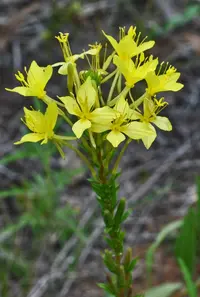
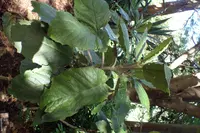
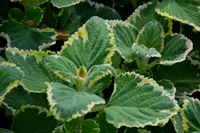
Telanthophora grandifolia, often called giant tree daisy or velutina, is a fast-growing tropical shrub to small tree valued for its huge, bold foliage. The leaves are broad, often heart-shaped, with a velvety texture that gives the plant a lush, architectural look.

It naturally occurs in cloud forests of Central America, where it grows in cool, humid, partially shaded conditions. In cultivation it is considered moderately challenging, mainly because it dislikes heat, low humidity, and drying out.

Gardeners who want to care for Telanthophora grandifolia need to provide consistently moist soil, protection from harsh sun, and shelter from strong winds or frost.

Main Plant Requirements

Care Difficulty

Hard Care

Light Preference

Partial Shade

Water Requirements

Keep Soil Moist

Temperature Preference

Tropical / Frost Sensitive

Hardiness Zone

10–11

Soil Texture

Loamy, Organic-rich, Peaty

Soil pH

Acidic (5.5–6.5), Slightly acidic (6.5–7.0)

Soil Drainage

Moist but well-drained

Fertilization

Light (every 4–6 weeks)

Get Personalized Care Plan

Scan your plant to receive care tips personalized for your specific plant

Available on iOS and Android

How to Care for the Telanthophora grandifolia

This large-leaved tropical prefers bright, filtered light similar to a forest understory.

  • Provide 4–6 hours of bright, indirect light daily, with dappled shade or morning sun and protection from harsh midday rays.
  • In hot climates, give partial shade from around 11 a.m.–3 p.m. to prevent leaf scorch and bleached patches.
  • Telanthophora grandifolia tolerates fairly deep shade, but prolonged low light reduces growth, weakens stems, and leads to sparse, smaller leaves.

This species prefers consistently moist but not saturated soil, with clear checks before each watering.

  • Water when the top 3–5 cm of soil feels dry, soaking the root zone thoroughly and allowing excess to drain away.
  • In spring and summer, expect to water more often as growth and evaporation increase; reduce frequency in cooler months while avoiding complete drying.
  • Signs of overwatering include yellowing, soft leaves, and a sour soil smell; crisp leaf edges and drooping despite moist air indicate underwatering in Telanthophora grandifolia.

This plant thrives in warm, stable temperatures typical of frost-free, subtropical to tropical climates.

  • Aim for 65–80°F (18–27°C) for active growth, with best foliage development at the upper half of this range.
  • Protect from cold; growth slows below 55°F (13°C) and tissue damage can occur near 40°F (4°C), especially during wet, windy weather.
  • Avoid prolonged exposure above 90°F (32°C) without shade and extra moisture, as extreme heat can cause leaf scorch and wilting.

This species prefers consistently high humidity for vigorous growth.

  • Aim for 60–80% humidity, as drier indoor air often leads to leaf-edge browning and curled tips.
  • It tolerates brief dips to 40–50%, but prolonged dry air causes slower growth and increased spider mite risk.
  • Increase humidity with a nearby humidifier, grouped plants, and a wide, water-filled pebble tray that allows airflow under the pot.

This plant performs best in loose, organic-rich, consistently moist but fast-draining soil.

  • Use a mix of roughly 40% peat or coco coir, 30% compost, 20% fine bark, and 10% perlite for structure and aeration.
  • Target a slightly acidic to neutral pH of 6.0–7.0, which supports nutrient uptake and stable growth.
  • Ensure drainage is rapid enough that water runs through within seconds, leaving the mix evenly damp but never waterlogged.
  • Avoid heavy clay, compacted garden soil, or mixes that crust on top, as these suffocate roots and promote rot in Telanthophora grandifolia.

This species is suitable for large containers when extra space and stability are provided.

  • Choose a wide, heavy container to counterbalance the tall leafy canopy and prevent tipping in wind or on balconies.
  • Select a pot depth that allows a broad, fibrous root system to spread horizontally as well as down, not a narrow, columnar shape.
  • Use a container material that moderates moisture swings, such as thick-walled terracotta or ceramic, when growing Telanthophora grandifolia outdoors in warm climates.

Nutrient-rich soil supports strong foliage on Telanthophora grandifolia, but feeding should stay moderate.

  • Use a balanced liquid fertilizer (for example 10-10-10) at 1/2 strength every 4–6 weeks during the warm growing season.
  • Alternatively, apply a thin layer of mature compost or a low-dose slow-release fertilizer at the start of spring.
  • Skip feeding in winter or dormancy to avoid weak, elongated growth and salt buildup.
  • Water before and after applying fertilizer to prevent root burn and improve nutrient uptake.

Thoughtful pruning keeps Telanthophora grandifolia manageable and encourages vigorous, leafy growth.

  • Prune in late winter or early spring before strong new growth begins.
  • Remove dead, damaged, or crossing stems first, then thin the densest areas to improve light and air flow.
  • Shorten overly tall or leggy shoots to shape the plant and maintain a stable framework.
  • Use sharp, clean bypass pruners and make angled cuts just above a leaf node.

As a large, fast grower, this species is usually transplanted outdoors rather than kept long term in containers.

  • Transplant Telanthophora grandifolia in spring when soil is warming and new growth starts.
  • Look for roots circling the pot, water draining too fast, or slowed growth as signals it has outgrown the container.
  • Shift into a hole or pot 1–2 sizes larger, using rich, well-drained soil and keeping the root ball level with the surface.
  • Water deeply after transplanting, shade temporarily, and maintain even moisture for 2–3 weeks to limit transplant shock.

This plant is usually propagated by seed or semi-ripe stem cuttings under warm, humid conditions.

  • Sow fresh seeds in spring in a moist, free-draining seed mix at 70–75°F and bright, indirect light.
  • For cuttings, take 10–15 cm semi-ripe stems in late spring or early summer, removing lower leaves.
  • Dip cut ends in rooting hormone, then place in a sterile, moist mix and cover with a clear dome or bag for humidity.
  • Vent covers daily, keep the medium just moist, and pot on once roots are well established.

In cooler regions, Telanthophora grandifolia benefits from basic winter protection, especially when young or container-grown.

  • It is frost sensitive; plan for protection where temperatures drop near or below freezing.
  • Mulch the root zone with 5–8 cm of bark or leaf mold in late fall, keeping mulch off the stems.
  • Move container plants indoors or into a frost-free greenhouse, providing bright, indirect light and reduced watering.
  • Avoid heavy pruning or feeding in late fall so new, tender growth does not face freezing temperatures.

Care Tips

Sturdy structural support

Install a strong stake or small trellis early and secure the main stems with soft ties, as this species develops heavy foliage that can snap if left unsupported, especially in containers.

Airflow management

Space plants so mature leaves do not overlap and use a small fan on a low setting indoors to keep air moving gently, which reduces fungal issues on the large leaf surfaces.

Progressive pot sizing

Repot only 1–2 pot sizes up at a time and use a wide, heavy container to balance the plant’s top weight and reduce the risk of tipping or stem breakage.

Targeted leaf hygiene

Wipe both sides of the very large leaves with a slightly damp microfiber cloth every few weeks to remove dust, improve light capture, and allow early detection of pests or leaf spot.

Seasonal biomass control

In late winter or early spring, selectively thin crowded stems and remove a portion of the oldest, shadiest leaves to encourage strong new growth and keep the plant size manageable when growing Telanthophora grandifolia in limited space.

Common Pests and Diseases

Spider mites

This pest thrives on the large, thin leaves, especially in warm, dry indoor air, causing stippling, dulling, and fine webbing on the undersides. Symptoms include faded patches between veins and gradual leaf decline.

Solution

Rinse foliage thoroughly with a strong but gentle stream of lukewarm water, focusing on the undersides, then repeat every few days until activity drops. Increase humidity to around 50–60%, improve air movement, and if needed use insecticidal soap or horticultural oil labeled for mites, applied according to Telanthophora grandifolia care instructions to avoid leaf burn.

Mealybugs

These insects hide in leaf axils and along midribs, forming white cottony clusters and excreting sticky honeydew on the very large leaves. Symptoms include distorted new growth and sooty mold developing on the honeydew.

Solution

Physically remove colonies with cotton swabs dipped in 70% isopropyl alcohol, then rinse the plant with water to clear residues. Isolate the plant, inspect regularly, and if reinfestation occurs use a systemic insecticide or repeated applications of insecticidal soap, ensuring good coverage of hidden crevices.

Scale insects

This pest appears as small, fixed brown or tan bumps along stems and leaf veins, tapping sap from the soft, fast-growing tissues. Symptoms include yellowing, reduced vigor, and sticky honeydew that can attract ants or sooty mold.

Solution

Gently scrape or rub off individual scales with a fingernail or soft cloth, then wash stems and leaves with soapy water and rinse well. For heavier infestations, apply horticultural oil or a systemic product, repeating at label intervals and keeping the plant slightly drier and better ventilated to slow spread.

Leaf spot

This disease causes irregular brown or black spots on the broad leaves, often with yellow halos and a tendency for damaged areas to tear. Symptoms include rapid cosmetic damage because of the large leaf surface, especially under high humidity and poor air circulation.

Solution

Remove and discard affected leaves promptly, avoiding overhead watering so foliage stays as dry as possible. Improve spacing and air movement, water at the soil level, and if new spots continue to appear consider a copper-based or other labeled fungicide, applied lightly to avoid residue buildup on the large leaf surfaces.

Powdery mildew

This disease produces white or gray powdery patches on upper leaf surfaces, which stand out clearly on the large, velvety foliage and can slow growth. Symptoms include curling, dullness, and premature yellowing of affected leaves in crowded, low-light, or poorly ventilated conditions.

Solution

Increase light to bright indirect levels, improve air circulation, and avoid splashing foliage when watering. Remove heavily affected leaves and treat remaining foliage with a labeled fungicidal spray such as potassium bicarbonate, sulfur, or a horticultural oil, applied in thin, even coats and repeated as directed until new growth emerges clean.

Interesting Facts

Giant daisy family leaves

This species is one of the largest-leaved members of the Asteraceae (daisy family), with individual leaves that can reach well over 1 m across in its native cloud forest habitat, an unusual trait in a family mostly known for smaller foliage.

Cloud forest specialist

Telanthophora grandifolia is naturally restricted to humid montane cloud forests of southern Mexico and Central America, where it grows in consistently cool, moist, and shaded conditions along slopes and forest edges.

Disk flowers only

Although it produces large, showy clusters of yellow blooms, each flower head is composed only of tubular disk florets and lacks the petal-like ray florets that many people associate with typical daisy family flowers.

Botan icon

Did you know?

In favorable conditions this species can develop an almost tree-like, semi-woody framework that supports a canopy of huge leaves, creating a distinctive understorey microhabitat that traps humidity and shades the soil beneath it.

FAQs about Telanthophora grandifolia

This species performs best outdoors in mild, frost-free climates where it has space, higher light, and humidity. Indoors it is short-lived and difficult, so Telanthophora grandifolia indoor care is usually considered advanced rather than beginner-friendly.

Grow Healthy Plants with Botan Care

Keep your plants happy and healthy with plant identification, disease detection, and easy care guidance.

Botan plant care app — identify plants on mobile

Explore More Plants