Maesa japonica Care

Maesa japonica

About Maesa japonica

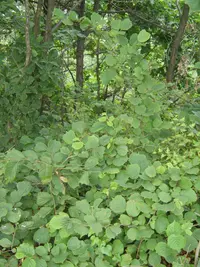
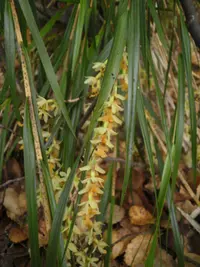
Maesa japonica is an evergreen shrub grown mainly for its glossy foliage and small, pale flowers followed by decorative berry-like fruits. It usually forms a compact, bushy shape that suits shaded garden corners or larger indoor containers.

This species is native to parts of East Asia, where it naturally grows in woodland and forest edges with filtered light. Its preference for stable, mild conditions and even moisture makes it moderately easy to manage, provided extremes of cold, heat, or drought are avoided.

Those learning how to care for Maesa japonica should know it generally prefers bright, indirect light, consistently moist but not waterlogged soil, and protection from harsh, drying winds.

Main Plant Requirements

Care Difficulty

Moderate Care

Light Preference

Partial Shade

Water Requirements

Moderate Water

Temperature Preference

Warm Climate

Hardiness Zone

8–10

Soil Texture

Loamy, Organic-rich

Soil pH

Acidic (5.5–6.5)

Soil Drainage

Moist but well-drained

Fertilization

Minimal (feed rarely)

Get Personalized Care Plan

Scan your plant to receive care tips personalized for your specific plant

Available on iOS and Android

How to Care for the Maesa japonica

This understory shrub prefers bright, gentle light that mimics dappled woodland conditions.

  • Provide 3–5 hours of soft morning sun with light shade or filtered light for the rest of the day to reduce leaf scorch risk.
  • Site Maesa japonica in partial shade; protect from strong midday and afternoon sun, especially in summer, which can cause leaf burn and moisture stress.
  • In darker seasons, choose a slightly brighter spot, but maintain protection from direct, low winter sun that can reflect off hard surfaces and damage foliage.

This species prefers consistently moist, but not saturated, soil that never dries out completely.

  • Allow the top 2–3 cm of soil to dry slightly, then water thoroughly so moisture reaches the full root zone, using free-draining soil to prevent stagnation.
  • In spring and summer, monitor closely during warm, dry spells; slow growth, limp leaves, and dry edges indicate underwatering, while yellowing lower leaves may signal excess moisture.
  • Reduce watering volume in autumn and winter as growth slows, but do not let the root area remain dry for more than a few days in mild climates where Maesa japonica is hardy.

This plant grows best in mild, frost-free to only lightly frosty climates with stable temperatures.

  • Aim for 60–77°F (16–25°C) during active growth for steady development and reduced stress on foliage and roots.
  • Tolerates brief drops to around 25°F (−4°C), but repeated hard frosts can damage young shoots; mulch the root zone to buffer cold spells in marginal areas.
  • Handles summer warmth up to about 86°F (30°C) if soil stays evenly moist and the plant has partial shade; prolonged hotter periods increase water demand and scorch risk.

This species benefits from moderate, stable humidity to keep foliage healthy and growth steady.

  • Aim for 40–60% humidity, as very dry heated rooms cause leaf edge crisping and slower growth.
  • Tolerates short spells of dry air but prolonged levels under 30% lead to dull, browning leaf margins.
  • Watch for curling, browning tips, and stalled new leaves as signs humidity is too low.
  • Increase humidity with a nearby room humidifier or a wide pebble tray under the pot, keeping the base above water.

Maesa japonica prefers a loose, moist but freely draining mix that does not stay waterlogged.

  • Use a loamy, organic-rich base blended with fine bark or coco coir for structure and moisture retention.
  • Ensure excess water drains quickly; aim for a mix that feels springy, not compacted or sticky when damp.
  • A slightly acidic to neutral pH around 5.8–7.0 supports nutrient uptake and steady root development.
  • Improve aeration and drainage by adding 20–30% perlite or pumice, and avoid heavy clay or pure peat that compacts and suffocates roots.

This species is suitable for container growing when provided with enough root depth and stable moisture.

  • Choose a pot that is deeper than it is wide to accommodate its relatively downward-rooting system and prevent tipping.
  • Select heavier materials such as ceramic or clay outdoors to stabilize the shrub against wind and reduce sudden moisture swings.
  • Use a container mix that drains well but holds some moisture, and empty saucers promptly so roots do not sit in collected water.

This shade-loving shrub benefits from light, consistent feeding rather than heavy fertilization.

  • Use a balanced, slow-release granular fertilizer (around 10-10-10) or well-rotted compost in early spring for Maesa japonica.
  • Apply fertilizer at half the label rate to avoid salt buildup in the root zone.
  • Feed every 6–8 weeks during active growth, stopping in late summer to allow tissues to harden.
  • Avoid feeding in winter dormancy; rely on organic mulch to supply gradual nutrients.

This plant responds well to light structural pruning to maintain a compact, leafy form.

  • Carry out pruning in late winter or very early spring before new growth starts on Maesa japonica.
  • Remove dead, damaged, crossing, or inward-growing branches to improve airflow and light penetration.
  • Shorten overly long shoots to shape the shrub and encourage denser branching.
  • Use clean, sharp hand pruners and make cuts just above a bud or side branch.

This species is often grown in the ground but can adapt to containers if root space is managed carefully.

  • Transplant or shift to a larger pot when roots circle the container base, water drains quickly, or growth slows noticeably.
  • Plan major transplanting for early spring, just before new growth, to support root recovery in Maesa japonica.
  • Expect container plants to need a size upgrade every 2–3 years, using a loose, humus-rich mix.
  • Water thoroughly before and after moving, keep roots shaded, and trim only lightly to reduce transplant shock.

New plants are usually raised from semi-ripe cuttings or seed under controlled conditions.

  • Take semi-ripe stem cuttings in mid to late summer, 8–10 cm long, from non-flowering shoots of Maesa japonica.
  • Remove lower leaves, dip the cut end in rooting hormone, and place in a moist, free-draining mix under high humidity.
  • Provide bright, indirect light and stable warmth around 68–75°F until roots form.
  • Sow fresh seed in autumn in a cool frame or sheltered spot; germination may be slow and uneven.

This evergreen shrub is moderately cold hardy but benefits from some winter protection in colder climates.

  • Tolerates light frosts but young Maesa japonica plants are more sensitive to prolonged freezing.
  • Apply a 5–8 cm layer of organic mulch around the root zone in late fall, keeping it away from the stem.
  • In regions below about 15–20°F, grow in containers and overwinter plants in a cool, frost-free space with light.

Care Tips

Regular renewal pruning

Every 2–3 years, remove 1–3 of the oldest woody stems at the base in late winter to keep the shrub dense, improve airflow, and encourage fresh flowering shoots.

Understory companion planting

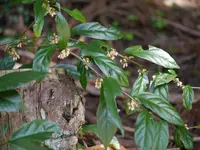
Plant it beneath light, high-canopy trees or taller shrubs to mimic its natural woodland understory habitat and reduce stress from strong wind and direct midday sun.

Mulch for root comfort

Maintain a 3–5 cm layer of fine bark or leaf mold over the root zone, keeping it a few cm away from the stems, to stabilize soil moisture and temperature and protect shallow feeder roots.

Targeted salt protection

In areas with winter road or sidewalk salt, install a low physical barrier or plant at least 1.5–2 m from salted surfaces to prevent salt spray and runoff from burning foliage and roots when growing Maesa japonica.

Preventive pest scouting

Inspect the undersides of leaves and young stems every 1–2 weeks in warm weather, and treat early signs of scale or aphids with a targeted horticultural soap or oil before populations build up.

Common Pests and Diseases

Scale insects

This pest attaches to stems and leaf undersides, sucking sap and causing yellowing, leaf drop, and a general decline in vigor. Symptoms often include sticky honeydew and sooty black mold on foliage and nearby surfaces.

Solution

Physically scrape or wipe off scales with a cotton pad dipped in 70% isopropyl alcohol, then wash foliage with lukewarm soapy water and rinse. For heavier infestations on outdoor shrubs, use a targeted horticultural oil spray, ensuring thorough coverage of stems and leaf undersides, and repeat every 7–14 days until new growth appears clean.

Leaf spot

This disease causes small to medium brown or dark purple spots on leaves that may coalesce, leading to premature leaf drop, especially in dense, humid shade. Symptoms include more rapid spread after extended periods of leaf wetness or overhead watering.

Solution

Remove and discard affected leaves, including fallen ones, to reduce the source of infection, and avoid wetting foliage when watering. Improve air movement around the plant by light pruning and spacing, and if the problem is persistent outdoors, apply a labeled copper or chlorothalonil fungicide during wet periods according to package directions.

Sooty mold

This disease appears as a black, soot-like growth on leaves and stems that does not penetrate tissues but blocks light and slows growth. Symptoms include dull, dirty-looking foliage, often following infestations of sap-feeding insects that produce honeydew.

Solution

Control the underlying honeydew-producing insects such as scale or aphids, then gently wash leaves with lukewarm water and a mild dish soap solution to remove the fungal coating. Improve light and airflow so foliage dries more quickly, which helps prevent heavy buildup on new growth.

Aphids

These insects cluster on tender shoot tips and young leaves, sucking sap and causing curling, distortion, and sticky honeydew that can later support sooty mold. This pest tends to build up quickly on soft new growth during mild, humid weather.

Solution

Dislodge colonies with a strong stream of water, focusing on shoot tips and leaf undersides, and repeat every few days until numbers drop. For persistent problems, apply insecticidal soap or a light horticultural oil, spraying in the early morning or late afternoon to avoid leaf burn and checking new growth regularly as part of Maesa japonica care instructions.

Interesting Facts

Shade stream specialist

This evergreen shrub naturally grows along shaded mountain streams and moist forest ravines in Japan, Taiwan, and nearby regions, where it forms part of the understory layer beneath taller trees.

Winter-hanging berries

Its small, white to pale-yellow berries can persist on the plant through winter, providing a prolonged food source for birds long after flowering has finished.

Bird-dispersed seeds

The fleshy fruits are adapted for bird dispersal; birds eat the berries and later pass the seeds, helping this species colonize new, similarly cool and moist habitats.

FAQs about Maesa japonica

This species performs best outdoors in mild, frost-free climates where it can develop a natural shrub form and set berries. Indoors, growth is slower, flowering is reduced, and humidity plus light levels are harder to maintain consistently.

Grow Healthy Plants with Botan Care

Keep your plants happy and healthy with plant identification, disease detection, and easy care guidance.

Botan plant care app — identify plants on mobile

Explore More Plants