European honeysuckle Care (Lonicera periclymenum)

Also known as: Woodbine, Common Honeysuckle, English Honeysuckle, Honeysuckle
European honeysuckle

About European honeysuckle

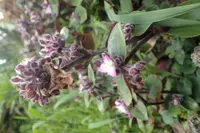
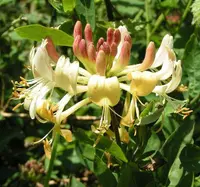
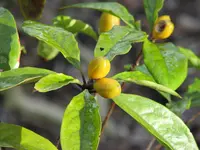
European honeysuckle, Lonicera periclymenum, is a twining, woody climber grown mainly for its tubular, often bicolored flowers and strong evening fragrance. It typically scrambles through shrubs, fences, or trellises, forming a dense, leafy screen with clusters of flowers followed by red berries.

This species is native to woodlands and hedgerows across much of Europe and prefers mild, temperate climates. It is generally considered easy to grow if given support, adequate light, and evenly moist, well-drained soil.

Gardeners who learn how to care for European honeysuckle usually find it vigorous and long lived, though regular training and pruning are needed to keep its growth controlled and flowering well.

Main Plant Requirements

Care Difficulty

Easy Care

Light Preference

Full Sun

Water Requirements

Moderate Water

Temperature Preference

Cold Hardy

Hardiness Zone

4–9

Soil Texture

Sandy, Loamy, Clay

Soil pH

Acidic (5.5–6.5), Slightly acidic (6.5–7.0)

Soil Drainage

Moist but well-drained

Fertilization

Minimal (feed rarely)

Get Personalized Care Plan

Scan your plant to receive care tips personalized for your specific plant

Available on iOS and Android

How to Care for the European honeysuckle

This twining climber flowers best with plenty of light but tolerates some shade in most gardens.

  • Aim for 4–6 hours of direct sun daily, with morning sun and light afternoon shade ideal to protect foliage from scorching in hotter regions.
  • Plant European honeysuckle where it receives dappled or filtered light during the hottest midday hours, especially in USDA zones 8–9.
  • In cooler climates, full sun all day promotes maximum flowering, while in deeper shade growth becomes sparse and flowering is greatly reduced.

This woody vine prefers evenly moist, well-drained soil rather than constant dryness or saturation.

  • Water when the top 3–5 cm of soil feels dry, applying a slow, deep soak so moisture reaches the root zone instead of frequent light sprinkling.
  • During the first 1–2 growing seasons, monitor closely in dry spells; leaves wilting or rolling signal thirst, while yellowing leaves and soggy soil indicate excess water.
  • Ensure soil drains freely; add organic matter if water pools for more than 30–40 minutes after rain to reduce root-rot risk for Lonicera periclymenum.

This hardy vine tolerates a wide temperature range but flowers and grows best in moderate conditions.

  • Optimal growth occurs around 60–75°F (16–24°C), especially during spring and early summer when new shoots and flower buds develop.
  • The plant typically survives winter down to about -20°F (-29°C) once established, with top growth dying back in severe cold but roots remaining viable.
  • Short periods above 90°F (32°C) are tolerated if soil stays moist and roots are mulched; prolonged heat and hot, dry winds can reduce flowering and scorch leaves.

This species grows well in typical outdoor humidity and rarely needs special humidity control.

This climber prefers moist, well-aerated soil that stays evenly damp but never waterlogged.

  • Use a loamy soil with high organic matter, such as garden loam mixed with compost or well-rotted manure.
  • Ensure free drainage by incorporating coarse sand or fine grit, especially on heavier clay sites.
  • Aim for a slightly acidic to neutral pH, roughly 6.0–7.0, which suits Lonicera periclymenum.
  • Avoid compacted, poorly drained, or permanently saturated ground, which encourages root rot and weak growth.

This species can grow successfully in containers if the pot supports its vigorous, climbing habit.

  • Choose a deep, heavy container that resists tipping once the vine climbs a trellis or support.
  • Select a pot material such as terracotta if faster moisture loss is desired, or thick plastic if slower drying is needed in hot climates.
  • Fill the container with a free-draining, loam-based mix and raise the pot slightly on feet to prevent water stagnation at the base.

Lonicera periclymenum responds well to modest feeding but usually does not need heavy fertilization in garden soil.

  • Use a balanced, slow-release fertilizer (around 10-10-10) or a light top-dressing of compost in early spring.
  • Feed once in spring and again in midsummer during active growth, then stop in late summer.
  • Apply at half the label rate for established vines, especially in fertile ground, to avoid excessive leafy growth.
  • Water thoroughly after feeding to help nutrients move into the root zone and reduce salt stress.

Lonicera periclymenum benefits from structured pruning to maintain flowering performance and manageable size.

  • Prune just after main flowering flush in mid to late summer, before new flower buds set.
  • Remove dead, damaged, or crossing stems first, using clean, sharp bypass pruners.
  • Thin congested growth at the base to improve air flow and reduce fungal issues.
  • Shorten long, wayward shoots to keep the vine within its support and encourage more flowering side shoots.

This honeysuckle is usually grown in the ground, so care focuses on transplanting rather than frequent repotting.

  • Transplant in early spring or early fall when temperatures are mild and soil is workable.
  • Move plants when growth is slow, roots circle the pot, or the vine dries out quickly after watering.
  • Dig a wide hole, disturb circling roots gently, and set the crown at the same soil level as before.
  • Water deeply after planting, then keep soil evenly moist for several weeks to reduce transplant shock.

Lonicera periclymenum is commonly propagated from semi-ripe cuttings and simple layering for reliable results.

  • Take semi-ripe cuttings in mid to late summer, 8–10 cm long, from non-flowering shoots.
  • Remove lower leaves, dip the cut end in rooting hormone, and place in a moist, free-draining mix under bright, indirect light.
  • Keep humidity high and temperature around 65–75°F until roots form, usually in several weeks.
  • For layering, pin a low, flexible stem to the soil in spring, cover a section with soil, and sever once well rooted.

Established plants are generally cold hardy, so European honeysuckle needs only modest winter attention in most temperate gardens.

  • Apply a 5–8 cm mulch layer over the root zone in late fall, keeping it slightly away from the main stems.
  • In very cold regions, tie stems loosely to supports to reduce wind rock and mechanical damage.
  • Move container-grown plants to a sheltered spot, such as an unheated garage or against a protected wall, during severe freezes.

Care Tips

Install sturdy support

Provide a rigid trellis, wires, or an arch with horizontal runs spaced 20–30 cm apart so stems can be tied in and spread out, which increases flowering along the whole structure rather than just at the top.

Train young shoots

During the first 2–3 seasons, gently spiral new stems around their support and tie them loosely with soft ties every 20–30 cm to create an even framework that is easier to maintain and rejuvenate later.

Mulch root zone

Apply a 5–8 cm layer of composted bark or similar mulch over the root area each spring, keeping it a few cm away from stems, to keep roots cool, retain moisture, and reduce weed competition.

Monitor for aphids

Inspect soft shoot tips weekly during active growth and wash off early aphid colonies with a firm water spray or remove affected tips, which helps prevent distortion of new growth and sooty mold development when growing European honeysuckle.

Support air circulation

Position the plant so breezes can move through the foliage and thin out congested interior stems in late winter, which lowers the risk of powdery mildew and keeps flowers and leaves in better condition.

Common Pests and Diseases

Aphids

These insects cluster on new shoots, buds, and leaf undersides, sucking sap and causing curling, distorted growth, and sticky honeydew that can lead to sooty mold. This pest is especially common on vigorous new growth and flower buds of European honeysuckle vines.

Solution

Prune off heavily infested shoot tips, then wash remaining stems and leaves with a strong but controlled stream of water every few days. For persistent colonies, treat with insecticidal soap or a light horticultural oil, ensuring good coverage of leaf undersides, and encourage natural predators such as lady beetles by avoiding broad-spectrum insecticides nearby.

Honeysuckle sawfly

This pest appears as greenish larvae that strip leaves between the veins, giving foliage a skeletonized or ragged appearance, often starting in late spring or early summer. Severe feeding can defoliate sections of the vine and reduce flowering the following season.

Solution

Inspect plants regularly from late spring and hand-pick or shake larvae into soapy water when numbers are low. For heavier infestations, prune and dispose of the most affected shoots and use a targeted contact insecticide like insecticidal soap or pyrethrum in the evening, coating leaf surfaces where larvae feed.

Powdery mildew

This disease causes a white or gray powdery coating on leaves, especially in crowded, shaded, or dry-stressed plantings. Symptoms include yellowing, distorted foliage and premature leaf drop, which can weaken the vine over time.

Solution

Improve air circulation by thinning dense stems and avoiding overhead watering, then remove and discard heavily infected leaves. If needed, apply a fungicide labeled for powdery mildew on ornamentals, starting at the first sign of symptoms and repeating according to label directions during humid periods.

Leaf spot

This disease produces brown, purple, or tan spots on leaves that may merge into larger blotches, sometimes with a yellow halo. Symptoms include premature leaf drop and a generally sparse or tired-looking canopy, especially after wet weather.

Solution

Rake up and discard fallen leaves, and prune out badly affected shoots to reduce the source of infection. Water at the base in the morning, keep foliage as dry as possible, and apply a suitable ornamental fungicide if spotting is severe and weather remains wet.

Scale insects

These insects appear as small, dome-shaped or flattened bumps on stems and sometimes leaves, feeding on sap and excreting honeydew that can attract ants and sooty mold. This pest can cause yellowing leaves, reduced vigor, and dieback on older stems if populations are high.

Solution

Gently scrape or rub off individual scales with a soft brush or cloth, and prune out heavily infested twigs. For established colonies, apply horticultural oil during the dormant season to smother overwintering stages, and use a lighter oil or insecticidal soap on active crawlers in the growing season, repeating as needed.

Interesting Facts

Nocturnal moth pollination

This honeysuckle is primarily pollinated by night-flying moths, especially hawk moths, which are attracted by its strong evening scent and pale, tubular flowers adapted for long proboscises.

Seasonal color change

Its flowers open creamy white and often age to yellow, which helps pollinators distinguish freshly rewarding blooms from older ones with reduced nectar.

Bird-dispersed berries

The plant produces red berries in late summer to autumn that are eaten by birds, which then disperse the seeds through their droppings, supporting woodland regeneration and hedgerow diversity.

Botan icon

Did you know?

In traditional English hedgerow landscapes, this species often acts as a structural binder by twining through shrubs and young trees, helping to physically knit together mixed-species hedges and increase overall habitat complexity for invertebrates, birds, and small mammals.

FAQs about European honeysuckle

This species is highly attractive to night-flying moths and also visited by bees, hoverflies, and butterflies. Its tubular, fragrant flowers provide nectar, supporting pollinators and increasing seed set when plants are grown in suitable outdoor conditions.

Grow Healthy Plants with Botan Care

Keep your plants happy and healthy with plant identification, disease detection, and easy care guidance.

Botan plant care app — identify plants on mobile

Explore More Plants