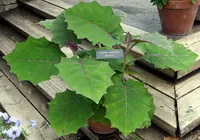
Encourage Bushy Form
Pinch or lightly tip-prune new shoots in late spring to encourage branching, which keeps the shrub compact and improves flowering and fruit set over time.

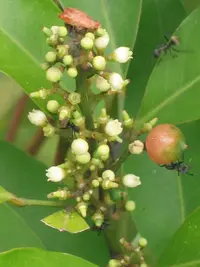
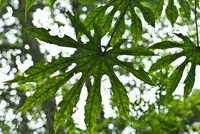
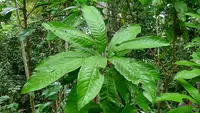
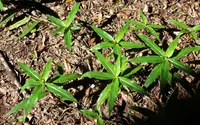
Flower axistree, Glycosmis parviflora, is a small, evergreen shrub or compact tree from tropical Asia, often grown for its fine foliage and small, clustered fruits. It has slender branches, glossy green leaves, and a naturally bushy habit that can be shaped with light pruning. In suitable climates it can be used in warm outdoor gardens, while in cooler regions it is sometimes grown in containers under protection. The plant prefers bright light, moderate moisture, and a free-draining soil, which makes it manageable for growers with some experience. Understanding how to care for flower axistree mainly involves providing enough light and avoiding waterlogged conditions.

Care Difficulty
Moderate Care

Light Preference
Partial Sun

Water Requirements
Moderate Water

Temperature Preference
Tropical / Frost Sensitive

Hardiness Zone
10–11

Soil Texture
Sandy, Loamy, Organic-rich

Soil pH
Acidic (5.5–6.5), Slightly acidic (6.5–7.0)

Soil Drainage
Moist but well-drained

Fertilization
Minimal (feed rarely)
Scan your plant to receive care tips personalized for your specific plant
Available on iOS and Android
This shrub prefers bright, gentle light similar to an open woodland edge.
This species prefers evenly moist but not saturated soil.
This plant performs best in warm, frost-free conditions.
This species prefers moderate humidity but adapts to many home environments.
This shrub favors a well-aerated, free-draining mix that still retains some moisture.
This species suits container growing when the pot supports its woody root system and upright habit.
This species benefits from light, steady feeding rather than heavy fertilizer doses.
Pruning helps maintain a healthy, compact framework and supports flowering on Glycosmis parviflora.
This shrub handles container culture but is more often transplanted young into the ground.
New plants are commonly raised from both seed and semi-ripe cuttings.
This subtropical shrub is only mildly frost tolerant and benefits from thoughtful winter preparation in cooler regions.

Plant Health Check
Not sure what's wrong with your plant? Check your plant's health inside the app.
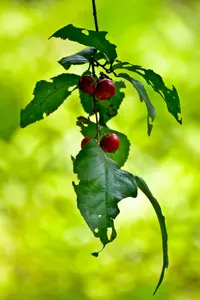
This species produces small pale pink to almost translucent berries that often show the dark seeds through the skin, a feature that makes the fruit visually distinctive among many other citrus relatives.
Glycosmis parviflora belongs to the Rutaceae family, the same plant family as oranges and lemons, and shares their aromatic oil glands in the leaves and young stems.
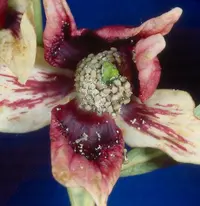
The plant bears clusters of small white flowers with a light, sweet fragrance that attract a range of insect pollinators in its native and cultivated range, supporting local urban biodiversity when used as an ornamental shrub.
This species adapts well to containers if the pot has good drainage and is upsized gradually. Use a sturdy container, as roots become woody over time, and refresh the top 3–5 cm of mix every 1–2 years.
Keep your plants happy and healthy with plant identification, disease detection, and easy care guidance.