European privet Care (Ligustrum vulgare)

Also known as: wild privet, Common Privet
European privet

About European privet

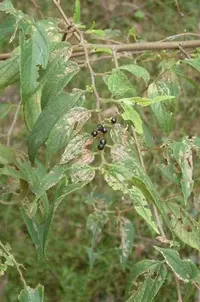
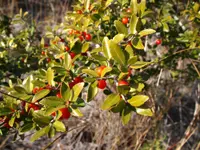
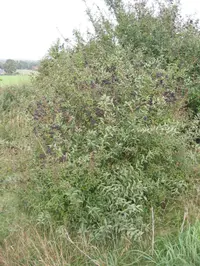
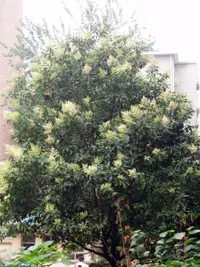
European privet (Ligustrum vulgare) is a dense, fast-growing deciduous shrub often used for hedges and screens. It has small, oval dark green leaves and produces clusters of white flowers followed by black berries. Native to Europe, parts of North Africa, and western Asia, it has naturalized in many temperate regions and can spread vigorously in suitable climates. The plant tolerates pruning, pollution, and a range of soils, which makes it easy to establish but sometimes invasive outdoors. It generally prefers sun to light shade and moderately moist, well-drained soil, which is useful to know when planning how to care for European privet.

Main Plant Requirements

Care Difficulty

Easy Care

Light Preference

Full Sun

Water Requirements

Moderate Water

Temperature Preference

Cold Hardy

Hardiness Zone

4–8

Soil Texture

Sandy, Loamy, Clay

Soil pH

Slightly acidic (6.5–7.0), Slightly alkaline (7.0–7.5)

Soil Drainage

Well-drained

Fertilization

Minimal (feed rarely)

Get Personalized Care Plan

Scan your plant to receive care tips personalized for your specific plant

Available on iOS and Android

How to Care for the European privet

Ligustrum vulgare grows best in bright outdoor conditions with several hours of direct sun each day.

  • Provide 4–8 hours of direct sun daily; morning sun with light afternoon shade helps prevent leaf scorch in hot summers.
  • Plant in a site that receives at least partial shade (2–4 hours) if midday sun is intense, especially in warmer regions.
  • Expect denser foliage and more flowers in full sun; in deep shade, European privet becomes sparse, elongated, and may flower poorly.

Ligustrum vulgare prefers evenly moist, well-drained soil once established outdoors.

  • Before watering, let the top 3–5 cm of soil dry; moisture should feel cool but not soggy when checked by hand.
  • In the first growing season, water deeply when leaves begin to dull or curl slightly; reduce frequency in cool or rainy weather.
  • Ensure soil drains freely to prevent root rot; persistent yellowing leaves and soft stems suggest overwatering, while crisp edges and wilting indicate drought stress.

This hardy shrub tolerates a wide temperature range and suits many temperate climates.

  • Optimal growth occurs around 60–75°F (16–24°C) during the main growing season, with cooler nights improving overall vigor.
  • Mature plants usually survive down to about -10°F (-23°C) once established, though young shrubs benefit from mulch for root protection in severe cold.
  • In hot regions, temperatures above 90°F (32°C) are tolerated if soil moisture is maintained and roots are shaded with mulch to limit heat stress.

This species tolerates a wide humidity range and rarely needs special humidity management.

  • Healthy growth occurs in 30–60% humidity typical of most homes and outdoor conditions.
  • Plants handle dry air well; only prolonged very dry, hot indoor air may slightly brown leaf tips on European privet.
  • If needed, raise humidity by grouping plants or using a nearby water tray, but avoid misting that keeps foliage wet for long periods.

Ligustrum vulgare adapts to many soils but performs best in loose, moderately fertile ground with reliable drainage.

  • Use a loamy or sandy-loam structure that crumbles easily in the hand and does not stay muddy after watering.
  • Aim for slightly acidic to slightly alkaline pH around 6.0–7.5, amending very acidic or chalky sites gradually.
  • Incorporate compost or well-rotted organic matter plus coarse sand or fine gravel to improve drainage and root aeration.
  • Avoid compacted clay, spots where water pools for hours, or mixes with excessive peat that stay soggy and exclude air.

This shrub is suitable for container growing when the pot is chosen and managed for its strong, woody root system.

  • Select a heavy, wide-based container to prevent wind from tipping over the dense, leafy canopy as it matures.
  • Use a deep pot that allows a substantial root column, which helps maintain vigor and supports regular pruning for shape.
  • Choose a slightly porous material like unglazed clay if overwatering is a risk, since it allows faster evaporation from the root zone.

This hardy shrub needs only modest feeding when grown in average garden soil.

  • Apply a balanced slow-release fertilizer (around 10-10-10) once in early spring for established European privet hedges.
  • In poorer soils, add a thin layer of compost around the root zone in spring to improve structure and nutrient availability.
  • Use granular or liquid feed at half the label strength to avoid excessive, weak growth.
  • Stop fertilizing by late summer so new growth can mature before winter.

Pruning is important for managing size, density, and health in Ligustrum vulgare hedges and specimens.

  • Carry out main pruning in late winter to early spring before vigorous new growth begins.
  • Remove dead, diseased, crossing, or inward-growing branches first to open the canopy and improve airflow.
  • Shorten long shoots to maintain the desired hedge line or form, encouraging dense branching.
  • Use clean, sharp hand pruners or hedge shears and make cuts just above a bud or side branch.

This species is usually grown in the ground, so care focuses on transplanting rather than frequent repotting.

  • Transplant young plants in early spring or early fall when temperatures are mild and soil is workable.
  • Look for signs like slow growth, poor vigor, or roots circling a nursery pot as cues to move or up-pot.
  • Lift with a generous root ball, disturb roots minimally, and replant at the same depth in well-prepared soil.
  • Water thoroughly after planting, then keep soil evenly moist for several weeks to limit transplant shock.

New plants are commonly produced from cuttings and seeds, as this shrub roots and establishes reliably.

  • Take semi-ripe stem cuttings in mid to late summer, 10–15 cm long, from healthy non-flowering shoots.
  • Remove lower leaves, dip the base in rooting hormone, and place in a moist, free-draining medium under bright, indirect light.
  • Sow cleaned seeds in autumn in trays outdoors or a cold frame; natural winter chill improves germination.
  • Keep cuttings and seed trays evenly moist, not waterlogged, and maintain good air circulation to reduce rot.

This shrub is cold hardy in much of the US and usually needs little special winter care in the ground.

  • In colder regions, apply a 5–8 cm mulch layer around the root zone to moderate soil temperature and moisture.
  • Avoid heavy pruning late in the season so new shoots have time to harden before freezing weather.
  • Move container-grown plants to a sheltered, unheated but frost-free spot, watering sparingly through winter.

Care Tips

Hedge Density Training

Tip-prune young shoots several times in the first 2–3 growing seasons to encourage side-branching and create a dense, wind-stable hedge framework.

Root Zone Mulch Band

Maintain a 5–8 cm band of organic mulch over the root zone, but keep it 5–8 cm away from stems to conserve soil moisture, suppress weeds, and reduce mower damage to the base of the plants.

Staggered Rejuvenation Cuts

Every few years, remove 1/4–1/3 of the oldest stems at ground level in late winter to gradually renew the shrub without leaving large gaps in the hedge line.

Windward Side Management

On exposed sites, keep the windward side of the hedge slightly narrower than the leeward side to reduce wind sail, minimize snow loading, and lower the risk of branch breakage.

Targeted Pest Monitoring

Inspect new growth and the inner canopy every 2–3 weeks in spring and early summer for scale insects and aphids, so that caring for European privet includes early intervention before infestations become severe.

Common Pests and Diseases

Privet rust

This disease causes bright orange, powdery pustules on leaves and stems, often leading to early leaf drop. Symptoms include distorted new growth and a generally weakened plant.

Solution

Prune out and dispose of affected shoots and fallen leaves to reduce spore spread, and avoid overhead watering to keep foliage dry. Improve spacing and airflow around plants, and in severe, recurring cases use a labeled sulfur or myclobutanil fungicide in early spring according to local Ligustrum vulgare care instructions.

Leaf spot

This disease produces small brown to black spots on leaves that may merge into larger blotches, sometimes with yellow halos. Symptoms include partial defoliation on stressed or crowded hedges.

Solution

Remove and discard heavily spotted leaves and any dense, shaded interior twigs to reduce humidity around the foliage. Improve air circulation, water at soil level, and if spots continue to spread, apply a copper-based or chlorothalonil fungicide during wet periods following label directions.

Whiteflies

These insects feed on the undersides of leaves, causing yellowing, leaf drop, and sticky honeydew that can lead to sooty mold. This pest often appears on dense, clipped hedges in warm conditions.

Solution

Regularly inspect the undersides of leaves and knock populations back by hosing plants with a firm stream of water. For ongoing control, use yellow sticky traps, introduce beneficial insects such as lady beetles when practical, and apply insecticidal soap or horticultural oil, ensuring full coverage of the leaf undersides.

Scale insects

These insects appear as small, dome-shaped or oval bumps on stems and leaves, sucking sap and causing yellowing, stunted growth, and dieback of twigs. This pest often produces honeydew, which encourages black sooty mold on leaves and nearby surfaces.

Solution

Prune out and destroy heavily infested twigs, then wipe or gently scrub remaining scales from stems where possible. During the growing season, treat crawlers (young mobile stages) with insecticidal soap or horticultural oil, repeating as needed, and in winter consider a dormant oil spray to reduce overwintering populations.

Aphids

These insects cluster on tender shoot tips and leaf undersides, causing curled, distorted new growth and sticky honeydew deposits. This pest can weaken young or recently pruned plants and attract ants and sooty mold.

Solution

Blast colonies off with a strong stream of water and pinch back heavily infested soft tips. Encourage natural predators like lady beetles, and if populations remain high, apply insecticidal soap or a light horticultural oil to thoroughly coat affected shoots and leaf undersides.

Interesting Facts

Semi-evergreen strategy

Common privet often keeps part of its foliage through mild winters in oceanic climates, but behaves as fully deciduous in colder continental areas, which makes it a useful indicator of local winter severity.

Bird-dispersed thickets

Its small black berries are eaten by birds such as thrushes, which spread the seeds and can lead to dense, nearly monospecific thickets that displace native shrubs in parts of North America.

Historic hedging favorite

In Europe, this species has been used for formal hedges since at least the 16th century because it tolerates repeated clipping, urban air pollution, and a wide range of soils.

Botan icon

Did you know?

Pollen from common privet is a well-documented source of seasonal respiratory allergies in some regions, and dense, frequently clipped hedges can produce enough flowers to noticeably raise local airborne pollen levels during its bloom period.

FAQs about European privet

Poor flowering usually comes from heavy shade, hard pruning at the wrong time, or nutrient‑rich, high‑nitrogen soil. Allow more light, avoid cutting new shoots in late spring, and use balanced fertilizer rather than high‑nitrogen lawn products.

Grow Healthy Plants with Botan Care

Keep your plants happy and healthy with plant identification, disease detection, and easy care guidance.

Botan plant care app — identify plants on mobile

Explore More Plants