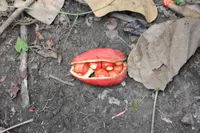
poison peach Care (Trema tomentosum)

Also known as: peach-leaved poison bush, Nettle Tree
poison peach

About poison peach

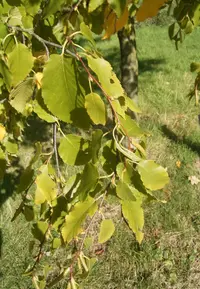
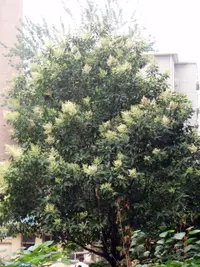
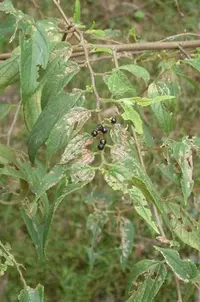
Poison peach, Trema tomentosum, is a fast-growing small tree or large shrub from the nettle family. It is native to tropical and subtropical regions of Asia and the Pacific. The plant typically has a loose, spreading crown, slender branches, and simple, rough-textured leaves, often forming light shade rather than deep canopy cover. It produces small, pea-sized fruits that attract birds and help it spread quickly in suitable habitats. Trema tomentosum adapts well to disturbed sites and poor soils, which makes it resilient but potentially invasive in mild climates. It generally prefers warm conditions, good light, and moderately moist, well-drained soil, and these traits influence how to care for poison peach in gardens or restoration projects.

Main Plant Requirements

Care Difficulty

Easy Care

Light Preference

Full Sun

Water Requirements

Moderate Water

Temperature Preference

Tropical / Frost Sensitive

Hardiness Zone

10–12

Soil Texture

Sandy, Loamy, Organic-rich

Soil pH

Acidic (5.5–6.5), Slightly acidic (6.5–7.0)

Soil Drainage

Well-drained

Fertilization

Minimal (feed rarely)

Get Personalized Care Plan

Scan your plant to receive care tips personalized for your specific plant

Available on iOS and Android

How to Care for the poison peach

Trema tomentosum prefers bright outdoor conditions with moderate direct sun and protection from extremes.

  • Provide 4–6 hours of direct morning sun with light dappled or filtered shade in the afternoon, especially in hotter regions.
  • Allow partial shade (as little as 2–3 hours of direct sun) in very hot or dry sites, as poison peach foliage may scorch in intense midday sun.
  • In cooler seasons, slightly more direct sun improves growth; in summer, monitor for leaf yellowing, crisp edges, or stunted shoots as signs of too much or too little light.

This species prefers moderately moist, well-drained soil and reacts quickly to prolonged drought or saturation.

  • Before watering, let the top 3–5 cm of soil dry; the surface should feel dry but slightly cool underneath when checked by hand or a simple soil probe.
  • Increase watering during hot, dry periods and early establishment, then reduce once roots are deeper; in cooler or rainy seasons, rely mainly on natural rainfall unless leaves begin to droop and roll slightly.
  • Use soil with good drainage to avoid waterlogging; pale, soft leaves and blackening roots suggest overwatering, while brittle leaves and twig dieback indicate insufficient moisture for Trema tomentosum.

This warm-climate tree grows best in mild to hot conditions and is sensitive to frost.

  • Aim for active growth in 70–86°F (21–30°C); growth slows noticeably below 60°F (16°C) and may pause in cooler seasons.
  • Protect from temperatures below 40°F (4°C); light frost can damage young shoots, while repeated freezes can kill small plants or top growth.
  • The species tolerates brief heat up to about 100°F (38°C) if soil moisture is maintained, but extended extreme heat with dry soil leads to leaf scorch and premature leaf drop.

This species handles a wide humidity range but benefits from moderate moisture in the air.

  • Aim for 40–60% humidity, which suits poison peach without needing special equipment in most homes.
  • Tolerates short periods of drier air, but prolonged humidity below 30% can lead to leaf edge browning and tip dieback.
  • Increase humidity by grouping plants, placing containers over a pebble tray with water, or growing outdoors in sheltered, humid microclimates.

Trema tomentosum prefers light, well-draining mineral soils that still retain some moisture.

  • Use a mix of 50–60% sandy loam or native soil, 20–30% compost, and 10–20% coarse material such as perlite, pumice, or grit for aeration.
  • Ensure water drains freely within a few minutes after watering; persistent surface puddling indicates compaction and poor structure.
  • Aim for slightly acidic to neutral pH (6.0–7.0); add composted organic matter to buffer pH and improve root nutrient access.
  • Avoid heavy clay that stays wet, waterlogged low spots, or pure organic potting mixes that collapse and reduce airflow to roots over time.

This species can be grown in containers for temporary cultivation or as a young specimen.

  • Choose a deep, heavy container that resists tipping as the woody stems elongate and increase above‑pot weight.
  • Select a mineral-based potting blend to limit excessive top growth that can make the container unstable in wind.
  • Place the pot where it is sheltered from strong gusts, using wall or railing support if the plant becomes tall and top‑heavy.

Trema tomentosum, often called poison peach, generally grows well in average soil and needs only light feeding in cultivation.

  • Use a balanced, slow-release fertilizer (for example 10-10-10) or a thin layer of compost on established plants in spring.
  • Feed young container-grown plants every 6–8 weeks during the growing season at half the label strength.
  • Avoid high-nitrogen products that push soft, weak growth and increase pest susceptibility.
  • Stop feeding in late summer so new growth hardens before cooler weather.

Pruning Trema tomentosum is mainly done to manage size, maintain structure, and remove problem wood.

  • Schedule main pruning for late winter to early spring before vigorous new growth starts.
  • Remove dead, diseased, or storm-damaged branches first, cutting back to healthy wood with clean bypass pruners or a sharp saw.
  • Thin crowded or crossing branches to improve airflow and light penetration, guiding the tree into a balanced, open crown.
  • Limit heavy heading cuts; favor selective thinning cuts to maintain natural form and reduce long-term stress.

This species is usually grown in the ground, so focus on careful transplanting of young trees rather than frequent repotting.

  • Transplant in late winter or early spring when growth is just about to start, avoiding hot, dry periods.
  • Look for roots circling the container, slow growth, or quick drying soil as signs that a seedling needs a larger space.
  • Move up only 1–2 pot sizes or into a prepared ground hole, loosening outer roots lightly without breaking the root ball.
  • Water thoroughly after planting, then keep soil evenly moist and shaded for 1–2 weeks to reduce transplant shock.

Trema tomentosum is most commonly propagated from seed, with some success also possible from semi-hardwood cuttings.

  • Collect ripe seed, clean off pulp, and sow in a free-draining mix kept lightly moist at 68–77°F in bright, indirect light.
  • Lightly cover seeds, as they benefit from darkness for germination; expect uneven sprouting over several weeks.
  • Take semi-hardwood cuttings in late spring to summer, use a rooting hormone, and place in a warm, humid, shaded environment.
  • Maintain gentle bottom warmth if possible and avoid waterlogging to reduce rot and improve rooting success.

In mild to warm climates, this tree needs little special winter care once established in the ground.

  • Young or marginally hardy plants benefit from 5–8 cm of mulch over the root zone, kept away from the trunk.
  • In areas with occasional frost, wrap small trunks with breathable fabric to limit bark damage.
  • Container-grown specimens in cooler regions should be moved to a frost-free, bright, sheltered spot until temperatures stabilize.

Care Tips

Wind-firm training

In the first 1–2 years, tip-prune the leading stem lightly and allow 3–4 strong lateral branches to develop so the young tree forms a low, wide framework that tolerates wind without snapping.

Root-zone mulching

Apply a 5–8 cm layer of coarse organic mulch in a wide ring around the drip line, keeping it 5–10 cm away from the trunk, to stabilize soil moisture and temperature and encourage fine root growth.

Volunteer management

Inspect surrounding beds and fence lines twice a year and remove unwanted seedlings by hand or with a narrow trowel before they woody, since this species can self-seed and become difficult to control.

Structural thinning

Once the trunk diameter reaches about 5–7 cm, selectively thin out crossing and steeply upright interior branches to maintain a single main leader and reduce the risk of future branch breakage under storm or fruit load.

Wildlife and weed balance

When growing poison peach for habitat value, maintain a narrow unmown strip or native understory near the tree while keeping a 60–90 cm weed-free circle at the base so the tree benefits wildlife without competing heavily with aggressive grasses.

Common Pests and Diseases

Leaf-chewing caterpillars

This pest often feeds on young Trema foliage, leaving irregular holes and ragged leaf edges. Symptoms include rapid defoliation on seedlings and saplings, especially at the forest edge or in open plantings.

Solution

Handpick larger caterpillars in small plantings and prune heavily damaged shoots. For heavier infestations, use a targeted biological control such as Bacillus thuringiensis (Bt) on young leaves, and encourage birds and beneficial insects by maintaining diverse vegetation around plantings.

Leaf-mining larvae

These insects tunnel within the leaf tissue, creating pale, winding or blotchy trails between the upper and lower leaf surfaces. Symptoms include distorted leaves and premature yellowing on stressed or young plants.

Solution

Prune and destroy mined leaves to interrupt the life cycle and reduce future generations. Maintain good plant vigor through regular watering in dry periods and avoid excess nitrogen, which can attract more miners; if needed, apply a horticultural oil to young foliage at the first sign of new damage.

Shoot-boring beetles

This pest bores into young stems and twigs, causing wilting tips, dieback, and small entry holes sometimes accompanied by frass (sawdust-like material). Symptoms include sudden collapse of individual branches on otherwise healthy plants.

Solution

Prune and dispose of affected shoots well below visible damage, disinfecting tools between cuts to prevent spread. Reduce plant stress by avoiding drought and mechanical injury, and remove nearby weakened woody hosts that can act as reservoirs for borers.

Sooty mold

This disease develops as a black, powdery fungal layer on leaves and young stems, growing on the sugary honeydew secreted by sap-sucking insects such as scale or aphids. Symptoms include dull, blackened foliage and reduced photosynthesis, especially on inner canopy leaves.

Solution

First control the honeydew-producing insects with a strong water spray, horticultural soap, or light horticultural oil, focusing on leaf undersides and stems. Once insect pressure is reduced, gently wipe or hose off the mold and improve airflow and light penetration by thinning overly dense branches.

Leaf spot complex

Symptoms include scattered brown to dark purple spots on leaves that may develop pale centers and yellow halos, often appearing during warm, wet weather. This disease can cause early leaf drop on stressed or crowded plants but rarely kills mature trees.

Solution

Remove and discard heavily spotted fallen leaves to reduce fungal inoculum, and avoid overhead watering that keeps foliage wet. Improve spacing and airflow, and if defoliation becomes severe on high-value specimens, use a labeled broad-spectrum fungicide as a preventive spray at the start of humid periods, following local regulations and Trema tomentosum care instructions.

Interesting Facts

Fast native pioneer

This shrub or small tree is a fast-growing pioneer species in tropical and subtropical Asia and Australia, quickly colonizing disturbed sites such as landslides, road edges, and abandoned fields and helping stabilize soil while other forest species reestablish.

Specialist butterfly host

Its leaves serve as a recorded larval food source for several Lepidoptera (butterfly and moth) species, making it an important support plant for local insect biodiversity in its native range.

Bird-dispersed fruit

The plant produces small, dark drupes that are readily eaten by many bird species, which then disperse the seeds over wide areas through their droppings, aiding natural regeneration of secondary forests.

Botan icon

Did you know?

Trema tomentosum often forms part of early successional forest communities, creating shaded, cooler microhabitats that allow slower-growing, shade-tolerant tree species to germinate and establish beneath its canopy, effectively acting as a living nursery for future forest structure.

FAQs about poison peach

This species is generally fast-growing under warm, moist, open conditions. Young plants can add noticeable height each year, especially in fertile soil. Poor soil, shade, drought, or root disturbance will slow growth significantly. This is typical Trema tomentosum care behavior.

Grow Healthy Plants with Botan Care

Keep your plants happy and healthy with plant identification, disease detection, and easy care guidance.

Botan plant care app — identify plants on mobile

Explore More Plants