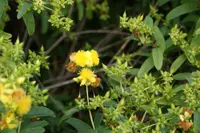
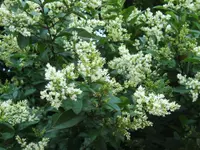
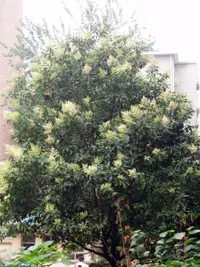
Port wine magnolia Care (Magnolia figo)

Also known as: Banana magnolia, banana-shrub, Michelia figo
Port wine magnolia

About Port wine magnolia

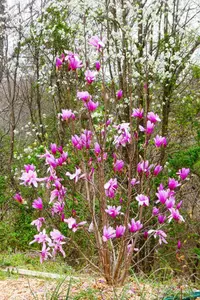
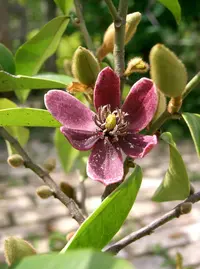
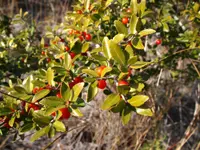
Port wine magnolia (Magnolia figo) is a compact evergreen shrub known for its dense, glossy foliage and strongly scented, cup-shaped flowers. The blooms are usually creamy yellow with purple or maroon tinges and release a fruity, banana-like perfume.

This species comes from China and other parts of East Asia and is often grown as a hedge, foundation shrub, or specimen in mild climates. It tends to grow slowly and maintains a neat, rounded form with light pruning.

Port wine magnolia prefers a sheltered position with partial sun, consistent moisture, and well-drained, slightly acidic soil. Understanding how to care for Port wine magnolia helps it flower well and keep a healthy, dense canopy.

Main Plant Requirements

Care Difficulty

Moderate Care

Light Preference

Partial Sun

Water Requirements

Moderate Water

Temperature Preference

Warm Climate

Hardiness Zone

8–10

Soil Texture

Loamy, Sandy, Organic-rich

Soil pH

Acidic (5.5–6.5), Slightly acidic (6.5–7.0)

Soil Drainage

Moist but well-drained

Fertilization

Minimal (feed rarely)

Get Personalized Care Plan

Scan your plant to receive care tips personalized for your specific plant

Available on iOS and Android

How to Care for the Port wine magnolia

Magnolia figo grows best with bright, gentle light that avoids intense midday sun.

  • Provide 4–6 hours of morning sun with light afternoon shade; dappled light under taller trees suits Port wine magnolia well.
  • In hotter regions, protect from strong sun between 11 a.m.–3 p.m. to reduce leaf scorch and flower browning.
  • In cooler climates, choose a spot with more direct sun in spring and fall, as too much shade causes sparse flowering and leggy growth.

Magnolia figo prefers evenly moist, well-drained soil that never stays soggy.

  • Water when the top 3–5 cm of soil feels dry, applying a deep soak rather than light splashes, then let excess drain away.
  • Reduce watering in fall and winter, but do not allow the root zone to dry out completely, especially in windy conditions.
  • Watch for yellowing, soft leaves as a sign of overwatering, and crisp leaf edges or drooping new growth as signs of underwatering.

This shrub prefers mild, stable temperatures and is sensitive to hard frost and extreme heat.

  • Optimal growth occurs around 65–80°F (18–27°C), supporting steady foliage and flower development.
  • Mature plants usually tolerate brief drops to about 20–25°F (-6 to -4°C), but young shrubs benefit from protection below 28°F (-2°C).
  • In hot summers above 90°F (32°C), provide mulch, afternoon shade, and consistent soil moisture to limit heat stress and leaf scorch.

This species prefers moderate humidity and reacts if air stays too dry for long periods.

  • Aim for 40–60% humidity to keep foliage and buds healthy on Port wine magnolia.
  • In very dry indoor air, leaf edges may brown and flower buds may drop before opening, indicating humidity stress.
  • Increase humidity by grouping plants, placing the pot on a pebble tray with water below the pot base, or using a room humidifier nearby.

This shrub grows best in loose, moisture-retentive but well-drained soil.

  • Use a loamy mix with high organic matter, such as garden loam blended with compost and fine bark, to support steady moisture and root health for Magnolia figo.
  • Ensure rapid drainage by adding 20–30% perlite or coarse sand so water does not stand around the roots after watering or heavy rain.
  • Target slightly acidic to neutral pH, roughly 6.0–7.0, since strongly alkaline soil can reduce nutrient uptake and cause yellowing leaves.
  • Avoid heavy, compacted clay or waterlogged spots; if planting in such soil, build a raised bed and mix in coarse materials to improve aeration and structure.

This shrub adapts reasonably well to container growing when given enough root volume and stable conditions.

  • Choose a deep, wide container that allows a woody root system to extend laterally, which helps maintain denser foliage and more consistent flowering.
  • Use a heavier pot material such as clay or ceramic to counterbalance the shrub’s woody top growth and reduce tipping in wind.
  • Elevate the container slightly on feet or pot risers to keep drainage holes clear and prevent saturated lower roots after rain or irrigation.

Magnolia figo benefits from light, consistent feeding during its active growth period.

  • Apply a balanced slow-release fertilizer (around 10-10-10) in early spring as new growth begins.
  • Supplement with a light application of compost over the root zone once per growing season for Port wine magnolia.
  • During summer, use a half-strength balanced liquid feed every 4–6 weeks if growth appears weak.
  • Stop feeding in late summer and avoid fertilizing in fall and winter to prevent soft, frost-prone growth.

Magnolia figo responds well to light structural pruning to maintain size and encourage flowering.

  • Prune just after main flowering finishes in late spring to avoid removing next season’s buds.
  • Use clean, sharp hand pruners to remove dead, diseased, or crossing branches first.
  • Thin congested interior shoots lightly to improve air flow and keep a balanced, rounded shape.
  • Shorten overly long shoots by cutting back to an outward-facing bud to control height and spread.

This shrub grows best in the ground but can be repotted or transplanted carefully when rootbound or outgrowing its space.

  • Look for roots circling the container drainage holes, soil drying very fast, or slowed growth as cues to repot.
  • Plan container repotting or garden transplanting in early spring before vigorous new growth starts.
  • Move up 1 pot size or replant at the same depth in well-drained soil, teasing apart circling roots gently.
  • Water thoroughly after moving and keep soil evenly moist and shaded for 1–2 weeks to reduce transplant shock.

Magnolia figo is most reliably propagated from semi-ripe cuttings and ground layering rather than seeds.

  • Take semi-ripe cuttings in mid to late summer, 8–10 cm long, with 2–3 leaf nodes.
  • Remove lower leaves, dip the cut end in rooting hormone, and insert into a well-drained, moist medium such as perlite and peat.
  • Maintain high humidity and bottom warmth around 70–75°F with bright, indirect light to encourage rooting.
  • For layering, bend a low branch to the soil, wound slightly, peg down, cover with soil, and sever once well rooted.

This evergreen shrub is moderately frost tender and benefits from some winter protection in colder climates.

  • In regions below about 15–20°F, site Magnolia figo in a sheltered position near a wall or building.
  • Apply a 5–8 cm mulch layer over the root zone in late fall, keeping it slightly away from the trunk.
  • Wrap young or marginal plants with breathable frost cloth during hard freezes to limit leaf and stem damage.
  • Move container-grown plants into a bright, cool, frost-free space before prolonged freezing periods.

Care Tips

Wind-smart placement

Position the shrub where buildings or larger evergreens break strong prevailing winds, which protects flower buds and reduces leaf scorch in exposed gardens.

Mulch root zone

Maintain a 5–8 cm layer of bark mulch over the root area, keeping it a few cm away from the stem, to stabilize soil moisture and keep the shallow roots cool through summer.

Bud protection in frost

In areas with late spring frosts, throw a breathable frost cloth or old sheet over the plant on predicted frost nights to protect developing flower buds from cold damage.

Shape with soft ties

If a more upright or fan shape is desired, gently tie young, flexible stems to bamboo canes or a fence using soft, adjustable ties and check twice a year to loosen as stems thicken.

Fragrance near pathways

Site the plant close to a frequently used path, doorway, or patio at about nose height so the small, sometimes hidden flowers are easy to enjoy when growing Port wine magnolia.

Common Pests and Diseases

Scale insects

This pest feeds on stems and leaves, causing yellowing, leaf drop, and sticky honeydew on foliage and nearby surfaces.

Solution

Physically scrape or wipe scales off twigs and leaves with a cotton pad dipped in alcohol, then use a light horticultural oil spray to coat stems and leaf undersides, repeating every 7–10 days until new growth is clean. Improve air movement and avoid excess nitrogen fertilizer, which encourages soft, susceptible growth.

Tea scale

This pest commonly infests the undersides of evergreen magnolia leaves, causing pale, stippled upper leaf surfaces and a general decline in vigor.

Solution

Inspect the undersides of leaves and prune out the most heavily infested shoots, then apply a horticultural oil spray, ensuring thorough coverage of leaf undersides. Maintain plant vigor with consistent watering and avoid drought stress, which makes shrubs more prone to heavy infestations.

Sooty mold

This disease is a dark, powdery fungal growth that develops on leaves and stems where honeydew from sap-feeding insects accumulates, often making foliage look black and dirty.

Solution

Control underlying sap-feeding pests such as scale and aphids, then gently wash affected leaves with a soft cloth and water to remove fungal residue. Ensure good air circulation and avoid overhead watering to help foliage dry quickly.

Leaf spot

This disease causes brown or purple spots on leaves, sometimes with yellow halos, and can lead to premature leaf drop during humid or wet periods.

Solution

Remove and discard affected leaves from the plant and ground to reduce reinfection, and water at soil level to keep foliage dry. In persistent or severe cases, apply a labeled ornamental fungicide during warm, wet weather and thin dense branches slightly to improve airflow.

Spider mites

These insects are tiny sap-feeders that cause fine stippling, dull foliage, and occasional webbing on sheltered inner branches, especially during hot, dry weather or in sheltered urban sites.

Solution

Rinse foliage thoroughly with a strong but controlled stream of water, focusing on leaf undersides, and repeat weekly until activity is low. If populations remain high, use an insecticidal soap or miticide labeled for ornamentals and raise humidity around the shrub by mulching soil and avoiding prolonged drought stress.

Interesting Facts

Banana-like fragrance

The flowers release a scent often compared to ripe bananas or overripe fruit, especially in warm, still air, due to a complex mix of volatile aromatic compounds typical of many Magnolia species.

Early Magnolia relative

Genetic and morphological studies place this species within one of the more ancient flowering plant lineages, so its floral structure still shows relatively simple, spiral-arranged organs that are considered evolutionarily old.

Dense evergreen screens

In mild climates it is often used as a compact evergreen hedge or screen, since its small, leathery leaves and naturally bushy branching create year-round visual cover with minimal formal pruning.

Botan icon

Did you know?

In parts of East Asia, long-cultivated forms of this species have been selected not for flower size but for enhanced fragrance, leading to traditional use of its intensely scented blooms in small personal ornaments such as hairpieces and sachets rather than in large display arrangements.

FAQs about Port wine magnolia

Lack of blooms often comes from too much shade, heavy pruning at the wrong time, or stress from drought, root disturbance, or excess fertilizer. Older wood usually flowers best, so avoid hard pruning until after flowering seasons.

Grow Healthy Plants with Botan Care

Keep your plants happy and healthy with plant identification, disease detection, and easy care guidance.

Botan plant care app — identify plants on mobile

Explore More Plants