Ardisia guianensis Care

About Ardisia guianensis

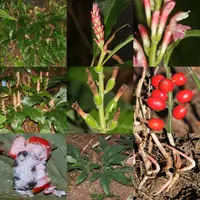
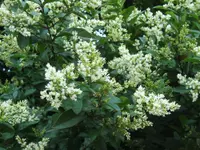
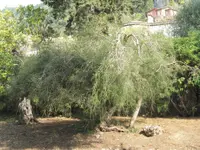
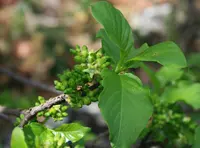
Ardisia guianensis is an evergreen shrub or small tree from tropical forests of northern South America and the Caribbean. It typically grows with a single main stem and a rounded crown of glossy leaves. Clusters of small white to pink flowers are followed by bright, decorative berries. In the wild it grows in warm, humid, partially shaded understories, often on well-drained, organic-rich soils. Its preference for stable warmth and moisture makes it moderately challenging outside the tropics, especially in dry indoor air or cooler climates. Understanding how to care for Ardisia guianensis starts with providing consistent humidity, filtered light, and protection from cold drafts.

Main Plant Requirements

Care Difficulty

Moderate Care

Light Preference

Partial Shade

Water Requirements

Regular Water

Temperature Preference

Tropical / Frost Sensitive

Hardiness Zone

Unknown

Soil Texture

Loamy, Silty, Organic-rich

Soil pH

Acidic (5.5–6.5)

Soil Drainage

Moist but well-drained

Fertilization

Minimal (feed rarely)

Get Personalized Care Plan

Scan your plant to receive care tips personalized for your specific plant

Available on iOS and Android

How to Care for the Ardisia guianensis

This understory shrub prefers bright but softened light similar to a lightly shaded forest edge.

  • Provide 3–5 hours of gentle morning sun with bright, dappled or filtered light for the rest of the day to mimic its native habitat.
  • Allow partial shade, especially in hot climates; protect from harsh midday and afternoon sun that can scorch leaves and cause pale, crispy patches.
  • In summer, increase shade or use light-filtering fabric; in winter, give a slightly brighter position to compensate for shorter days and weaker sun for Ardisia guianensis.

This species prefers consistently moist soil but reacts poorly to both dryness and waterlogging.

  • Water when the top 2–3 cm of soil feels slightly dry, aiming for evenly moist but not saturated conditions in the root zone.
  • Use a free-draining, organic-rich soil so excess water can exit easily, reducing the risk of root rot, yellowing leaves, and sour odors from overwatering.
  • In warmer months, expect to water more often; in cooler seasons or cloudy periods, extend intervals and watch for slight leaf droop or dull foliage as an early sign of thirst in Ardisia guianensis.

This plant thrives in warm, stable conditions similar to lowland tropical forest margins.

  • Keep daytime temperatures around 70–85°F (21–29°C) for best growth, with only a slight drop at night to avoid stress.
  • Protect from cold; growth slows below 60°F (16°C) and tissue damage can occur near 40°F (4°C), so shield it from frost and cold drafts.
  • During heat waves above 90°F (32°C), increase shade and airflow to prevent leaf scorch and heat stress in Ardisia guianensis, and avoid hot, reflective surfaces.

This species benefits from moderately humid air and reacts quickly to very dry conditions.

  • Aim for 50–70% humidity, as very dry heated rooms cause leaf edge browning and slower growth.
  • Tolerates brief dips to 40% humidity, but prolonged dry air leads to curling leaves and crispy tips.
  • Increase humidity with a nearby humidifier or clustered plants; avoid misting leaves persistently to reduce fungal risk.

This shrub prefers a loose, organic, slightly acidic substrate that drains freely yet retains steady moisture.

  • Use a mix of 50–60% peat or coco coir, 20–30% compost, and 20–30% perlite or fine bark to create a light, airy structure.
  • Target pH around 5.5–6.5, as alkaline substrates can cause nutrient lockout and pale foliage over time.
  • Improve drainage by avoiding high clay content and adding coarse sand or extra perlite if water lingers on the surface.
  • For Ardisia guianensis, keep the root zone evenly moist but never waterlogged, since stagnant, dense substrates promote root rot.

This species adapts well to container growing when the pot supports its moisture needs and root spread.

  • Choose a pot just slightly wider than the root ball so the mix dries evenly rather than staying wet in unused outer zones.
  • Select a stable, heavier container if the plant reaches shrub size, reducing the risk of tipping in wind or accidental knocks.
  • Ensure drainage holes remain fully open and raise the pot on feet so excess water can clear quickly from the base.

This tropical understory shrub benefits from modest, targeted feeding when grown in containers or poor soil.

  • Use a balanced liquid fertilizer (around 10-10-10) at 1/2–1/4 strength for Ardisia guianensis during active spring–summer growth.
  • Apply every 4–6 weeks if growth is steady; skip a feeding if foliage looks dark green and vigorous.
  • Reduce or stop feeding in fall and winter when growth slows, especially in cooler indoor conditions.
  • In rich ground soil, light surface compost once a year is usually sufficient instead of frequent liquid feeding.

Pruning is mainly used to keep this shrub compact and remove weak growth rather than as a heavy shaping tool.

  • Carry out light pruning at the end of winter or early spring before strong new growth starts on Ardisia guianensis.
  • Remove dead, diseased, or crossing branches with clean, sharp hand pruners to maintain good structure.
  • Shorten overly long shoots to encourage bushier side branching and denser foliage.
  • Avoid cutting back into thick, leafless wood; focus cuts just above healthy leaf nodes.

Container-grown plants and young shrubs benefit from occasional transplanting to maintain steady, healthy growth.

  • Check for roots circling the pot, escaping drainage holes, or slowed top growth as signs Ardisia guianensis needs more space.
  • Plan repotting or transplanting in late spring, when soil is warm and the plant is entering its main growth phase.
  • Move up only 1 pot size, using a well-drained, humus-rich mix, and handle the root ball gently to limit disturbance.
  • Water thoroughly after moving and keep the plant shaded and evenly moist for 1–2 weeks to reduce transplant stress.

This species is most often propagated by seeds or semi-ripe cuttings under warm, humid conditions.

  • Collect ripe berries and sow cleaned seeds in spring in a moist, sterile, well-drained mix kept at 70–80°F.
  • Use semi-ripe stem cuttings in late spring–summer, 8–10 cm long, with lower leaves removed.
  • Dip cut ends in rooting hormone and place in high humidity with bright, indirect light until roots form.
  • Maintain evenly moist, not waterlogged, media and avoid temperature swings to support steady rooting.

This tropical plant lacks true frost tolerance and needs protection in regions with cold winters.

  • In USDA zones below 10, grow in containers and move plants indoors before temperatures drop near 40°F.
  • Outdoors in mild climates, add a 5–8 cm mulch layer over the root zone to buffer short cool spells.
  • Indoors, maintain 60–75°F, avoid cold drafts, and provide bright, indirect light through winter.
  • Reduce watering slightly in winter, allowing the top layer of soil to dry while preventing complete root dry-out.

Care Tips

Encourage Bushy Form

Pinch back the soft tips of new shoots once they reach 10–15 cm to promote branching and a denser, more compact shrub instead of a tall, sparse plant.

Support Heavy Berry Clusters

If branches bend under the weight of fruit, add discreet bamboo stakes and tie stems loosely with soft ties to prevent breakage and keep clusters displayed attractively.

Refresh Top Layer

Every 6–12 months, scrape off the top 1–2 cm of tired potting mix and replace it with fresh, fine-textured mix to improve root aeration and reduce salt buildup around surface roots.

Monitor Suckers And Offshoots

Inspect the base of the plant and remove unwanted basal shoots or root suckers with clean pruners so the main stems receive more light and resources.

Prevent Scale And Mealybugs

During warm months, check leaf undersides and stems every 2–3 weeks and wipe early infestations with a cotton pad dipped in insecticidal soap solution, which is especially helpful when caring for Ardisia guianensis indoors or on patios.

Common Pests and Diseases

Scale insects

This pest feeds on sap and often appears as small brown or tan bumps along stems and leaf midribs, causing yellowing and weakened growth. Symptoms include sticky honeydew on leaves, which can lead to sooty mold development.

Solution

Physically remove scales by gently scraping with a cotton swab or soft brush dipped in alcohol, then rinse foliage with lukewarm water. For heavier infestations on shrubs used in Ardisia guianensis care instructions, apply a horticultural oil or insecticidal soap, repeating every 7–10 days until new growth is clean.

Mealybugs

These insects form white, cottony clusters in leaf axils, shoot tips, and roots, where they suck sap and stunt new growth. Symptoms include distorted young leaves and sticky honeydew that may attract ants.

Solution

Isolate affected plants, then dab visible mealybugs with a cotton swab dipped in 70% isopropyl alcohol and rinse foliage thoroughly. For persistent problems, use an insecticidal soap or systemic insecticide labeled for ornamental shrubs, ensuring good coverage of leaf undersides and hidden crevices.

Leaf spot

This disease causes small, water-soaked or brown lesions on leaves that may enlarge, sometimes with a yellow halo, leading to premature leaf drop under warm, humid conditions. Symptoms include scattered spots often starting on lower or inner foliage where air movement is poor.

Solution

Remove and discard affected leaves, then improve airflow by thinning dense growth and avoiding overhead watering. If new spots continue to appear, apply a copper-based or other ornamental foliage fungicide according to label directions, focusing on thorough coverage of both upper and lower leaf surfaces.

Sooty mold

This disease appears as a black, soot-like coating on leaves and stems that grows on honeydew excreted by sap-sucking insects such as scale and mealybugs. Symptoms include dull, dirty-looking foliage and reduced photosynthesis, though the fungus does not invade plant tissues directly.

Solution

First control the honeydew-producing insects with targeted treatments such as horticultural oil or insecticidal soap. After pest numbers drop, gently wash leaves with lukewarm water and a small amount of mild soap to remove the black coating, then maintain good light and air circulation to support clean new growth.

Nematode damage

These microscopic worms attack fine roots, leading to reduced water and nutrient uptake, general decline, and sparse, chlorotic foliage, especially in sandy or repeatedly cropped soils. Symptoms include poor vigor despite adequate water and fertilizer, and sometimes root galls or stubby roots when examined.

Solution

Remove and destroy severely affected plants and avoid replanting Ardisia in the same spot for several seasons, rotating with non-host plants or turf. Improve soil health with organic matter, maintain moderate but not excessive moisture, and consider using nematode-suppressive cover crops or solarization in outdoor beds before replanting.

Interesting Facts

Shade-tolerant understory shrub

This species naturally grows as a small understory shrub in lowland tropical forests of northern South America, adapted to filtered light beneath taller trees rather than full sun exposure.

Red-fruited bird resource

Its bright red berries are eaten and dispersed by birds, making the plant part of local forest regeneration processes by helping move seeds away from the parent shrub.

Clustered leaf arrangement

Leaves often appear clustered toward the tips of branches, an arrangement that maximizes light capture in the dim understory while reducing self-shading.

FAQs about Ardisia guianensis

This species is typically evergreen in frost-free, humid climates, holding foliage year-round. In cooler or very dry conditions, it may shed some leaves temporarily but generally maintains a leafy appearance rather than a pronounced dormant phase.

Grow Healthy Plants with Botan Care

Keep your plants happy and healthy with plant identification, disease detection, and easy care guidance.

Botan plant care app — identify plants on mobile

Explore More Plants