Chinese Evergreen Care (Aglaonema 'Lipstick')

About Chinese Evergreen

Chinese evergreen Aglaonema 'Lipstick' is a compact, shade-tolerant foliage plant valued for its colorful leaves. It is commonly grown indoors as a decorative houseplant.

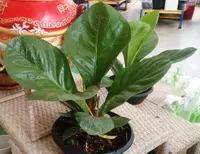
The plant forms a clumping habit with glossy green leaves edged or streaked in bright red, giving a lipstick-like effect. New shoots emerge from the base, slowly creating a dense mound.

Aglaonema species occur naturally in warm, humid forests of tropical and subtropical Asia, where they grow on the forest floor in filtered light. Their tolerance of low light and irregular watering makes them suitable for many homes and offices and helps explain how to care for Chinese Evergreen in simple, reliable ways.

Main Plant Requirements

Care Difficulty

Easy Care

Light Preference

Bright Indirect Light

Water Requirements

Moderate Water

Temperature Preference

Tropical / Frost Sensitive

Hardiness Zone

10–11

Soil Texture

Loamy, Peaty, Organic-rich

Soil pH

Acidic (5.5–6.5), Slightly acidic (6.5–7.0)

Soil Drainage

Moist but well-drained

Fertilization

Light (every 4–6 weeks)

Get Personalized Care Plan

Scan your plant to receive care tips personalized for your specific plant

Available on iOS and Android

How to Care for the Chinese Evergreen

Aglaonema 'Lipstick' prefers soft, indirect light that protects its variegated leaves from scorch.

  • Provide bright, filtered light for 6–8 hours per day, such as near an east or north window or under sheer curtains with no direct midday sun.
  • Tolerates partial shade and lower light, but growth slows and leaf color fades; rotate the plant if it leans toward the light source.
  • Avoid strong afternoon sun, which can cause brown patches and crispy edges; in winter, move slightly closer to windows to offset shorter days and weaker light.

This plant likes evenly moist but not saturated soil, with short dry periods between waterings.

  • Allow the top 2–4 cm of soil to dry before watering, using a finger test rather than a fixed schedule to decide when to water.
  • Use a free-draining mix and empty saucers after 10–15 minutes to prevent root rot, yellowing leaves, and a sour soil smell from chronic overwatering.
  • In spring and summer, expect faster drying and slightly more frequent watering; in fall and winter, dry more between waterings, watching for drooping or curling leaves as a sign it stayed dry too long.

This tropical species grows best in stable, warm conditions without sudden temperature swings.

  • Aim for 65–80°F (18–27°C) for active growth; below 60°F (16°C) growth slows and leaf damage becomes more likely.
  • Never expose the plant to frost; brief drops near 50°F (10°C) can cause leaf yellowing, wilting, or dark mushy patches, especially on new growth.
  • Tolerates short periods up to about 85–90°F (29–32°C) if humidity is moderate and soil does not dry out completely; keep away from heaters, cold drafts, and frequently opened exterior doors.

This plant prefers moderately humid air but tolerates typical indoor conditions.

  • Aim for 40–60% humidity for steady growth and better leaf color retention.
  • Dry air can cause brown, crispy leaf edges and increased leaf drop, especially near heating or AC vents.
  • Increase humidity by grouping plants, placing the pot on a pebble tray with water below the pot base, or using a small room humidifier near the Chinese Evergreen.

Aglaonema 'Lipstick' grows best in a loose, airy, organic-rich potting mix that drains quickly.

  • Use a peat- or coco-coir based houseplant mix amended with perlite and fine bark to improve structure and aeration.
  • Aim for slightly acidic to neutral pH (6.0–7.0), which keeps most nutrients available to the roots.
  • Ensure the mix drains freely yet holds some moisture; water should pass through within seconds without pooling on the surface.
  • Avoid heavy clay, compacted soil, or mixes with a high proportion of garden soil, which can suffocate roots and promote rot.

This species is well suited to container growing for both homes and shaded patios.

  • Choose a stable, slightly wider pot to support the plant’s spreading crown and prevent tipping as stems lean outward.
  • Select pot materials with moderate moisture retention, such as glazed ceramic or plastic, to keep the root zone evenly moist without rapid drying.
  • Leave a few centimeters between root mass and pot wall to allow air circulation in the mix and to prevent constant saturation at the edges.

This Chinese Evergreen benefits from modest, consistent feeding during active growth.

  • Use a balanced liquid fertilizer (for example 10-10-10 or 20-20-20) diluted to 1/4–1/2 strength.
  • Apply every 4–6 weeks in spring and summer when growth is strongest.
  • Switch to a slow-release fertilizer in early spring if preferred, following label rates.
  • Stop feeding in fall and winter, when growth slows, to avoid root and leaf burn.

Pruning supports a neat shape and removes weak growth on Aglaonema 'Lipstick'.

  • Carry out light pruning in spring or early summer when the plant is actively growing.
  • Remove yellow, brown, or damaged leaves at the base with clean, sharp scissors or pruners.
  • Cut back leggy stems just above a node to encourage bushier, denser growth.
  • Thin crowded stems slightly to improve airflow and reduce the risk of fungal problems.

Repotting maintains healthy roots and steady growth for this compact houseplant.

  • Repot every 2–3 years, ideally in spring, when roots circle the pot or growth slows.
  • Choose a container 2–5 cm wider, with drainage holes and a well-draining peat-free indoor mix.
  • Water lightly before repotting, then gently loosen circling roots without tearing large sections.
  • After repotting, water thoroughly once, then keep in bright, indirect light and avoid heavy fertilizing for 4–6 weeks.

Propagation of Aglaonema 'Lipstick' is most reliable through division and stem cuttings.

  • Divide clumps in spring by separating rooted sections, each with several stems and healthy roots.
  • Take 8–12 cm stem cuttings with at least 2–3 nodes and remove lower leaves.
  • Root cuttings in water or a moist, well-draining mix at 70–80°F with high humidity and indirect light.
  • Keep the medium slightly moist, not wet, and avoid disturbing cuttings until strong new roots form.

This tropical indoor plant needs warm, stable conditions during winter in temperate climates.

  • Keep temperatures around 65–75°F and avoid exposure below 55°F, which can damage foliage.
  • Move plants away from cold windows, drafts, and exterior doors in winter.
  • Water less often, allowing the top 2–3 cm of soil to dry before rewatering, and avoid heavy feeding.
  • Use curtains or blinds at night to reduce cold air on leaves and prevent chill stress.

Care Tips

Rotate For Symmetry

Turn the pot 90° every 2–3 weeks so new leaves develop evenly and the plant keeps a balanced, upright form instead of leaning toward the light source.

Cluster For Stability

Group several plants or place this plant near heavier pots to reduce the risk of tipping, since its foliage becomes top-heavy in proportion to its relatively small root ball.

Quarantine New Arrivals

Keep any new plant in a separate room for 2–3 weeks and inspect it regularly so pests like mealybugs or spider mites do not spread to established plants when growing Chinese Evergreen.

Use Support Stakes

Insert a thin, smooth bamboo or plastic stake near the main stems and attach loosely with soft ties if the plant becomes floppy after repotting or transport shock.

Clean Leaves Regularly

Wipe both sides of the leaves every 4–6 weeks with a soft, slightly damp cloth to remove dust, which improves light capture and makes it easier to spot early signs of pests or stress.

Common Pests and Diseases

Mealybugs

This pest often hides in leaf axils and along stems, appearing as white cottony clusters that stunt new growth and weaken the plant over time.

Solution

Isolate the plant, then dab visible insects with cotton swabs dipped in 70% isopropyl alcohol and wipe leaf undersides thoroughly; repeat weekly until no new clusters appear. For heavier infestations, use a systemic insecticide labeled for indoor foliage plants and reduce excess fertilizing, which can attract these sap feeders.

Spider mites

These insects are actually tiny arachnids that thrive in warm, dry indoor air, causing fine webbing, dull foliage, and tiny yellow stippling on leaves.

Solution

Rinse foliage under a gentle lukewarm shower or hose to physically remove mites, then increase humidity around the plant and avoid placing it near heating vents. If activity continues, apply an indoor-safe miticide or insecticidal soap to leaf tops and undersides every 7–10 days for several cycles.

Scale insects

This pest appears as small brown or tan bumps on stems and leaf veins, where it feeds on sap and can cause leaf yellowing and sticky honeydew on nearby surfaces.

Solution

Scrape or rub off individual scales with a soft cloth or fingernail, then wipe affected areas with diluted alcohol or insecticidal soap. Monitor closely and repeat treatments every 1–2 weeks; in persistent cases, use a systemic insecticide suitable for Chinese Evergreen indoor care.

Bacterial leaf spot

This disease creates water-soaked, translucent patches that later turn brown with yellow halos, often starting on lower leaves where moisture lingers.

Solution

Remove and discard affected leaves, avoid wetting the foliage, and water at the soil level so leaves dry quickly. Improve airflow around the plant and, if spread continues, discard heavily affected plants rather than trying to treat them with copper-based products indoors.

Anthracnose

This disease leads to irregular tan or dark brown lesions along leaf edges and tips, sometimes causing distorted or blighted new leaves in warm, humid conditions.

Solution

Prune out all visibly affected foliage with sterilized tools and dispose of it in the trash, not compost. Reduce leaf wetness, space plants for better airflow, and keep humidity moderate; in collections with repeated issues, use a fungicide labeled for anthracnose on ornamental foliage, following indoor-use directions carefully.

Interesting Facts

Red-Edged Leaf Pattern

This cultivar is selected for its stable red to pink margins that frame the green leaf blade, a trait maintained through vegetative propagation rather than seed, since seedlings rarely reproduce the same bold edge pattern.

Pigment-Based Color Contrast

The bright red tones come from anthocyanins, a group of water-soluble pigments, while the green center is due to chlorophyll, creating a high-contrast leaf that can still photosynthesize efficiently despite decorative coloration.

Hybrid Breeding Origin

Aglaonema 'Lipstick' is a man-made hybrid derived from several Aglaonema species, developed by breeders to combine strong red coloration with shade tolerance and compact growth for interior landscaping.

Botan icon

Did you know?

In interior plant trials, this cultivar has been noted to maintain leaf color and variegation even under the relatively low light levels typical of offices and shopping centers, which led to its popularity in commercial indoor plantings worldwide.

FAQs about Chinese Evergreen

Brown, crispy edges usually come from low humidity, excess fertilizer salts, or exposure to cold or hot drafts. Flush the pot occasionally, protect from temperature extremes, and increase humidity slightly with a nearby tray of water and pebbles.

Grow Healthy Plants with Botan Care

Keep your plants happy and healthy with plant identification, disease detection, and easy care guidance.

Botan plant care app — identify plants on mobile

Explore More Plants