Xanthosoma taioba Care

Xanthosoma taioba

About Xanthosoma taioba

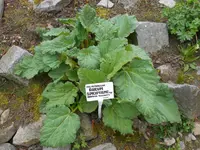
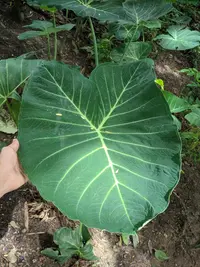
Xanthosoma taioba is a tropical aroid grown mainly for its large, edible leaves and lush, architectural look. It forms a clumping, upright plant with broad, heart-shaped foliage on sturdy stems. It is native to humid, warm regions of South America, where it grows in partially shaded, moist habitats. In gardens and containers it is valued for fast growth and a bold, leafy presence. The plant prefers consistently moist, fertile, well-drained soil and protection from strong, direct sun and cold. With stable warmth and regular moisture, it is a manageable choice for those learning how to care for Xanthosoma taioba.

Main Plant Requirements

Care Difficulty

Moderate Care

Light Preference

Partial Shade

Water Requirements

Keep Soil Moist

Temperature Preference

Tropical / Frost Sensitive

Hardiness Zone

10–11

Soil Texture

Loamy, Organic-rich

Soil pH

Acidic (5.5–6.5), Slightly acidic (6.5–7.0)

Soil Drainage

Moist but well-drained

Fertilization

Moderate (every 2–4 weeks)

Get Personalized Care Plan

Scan your plant to receive care tips personalized for your specific plant

Available on iOS and Android

How to Care for the Xanthosoma taioba

This tropical edible aroid prefers bright, indirect light with some protection from harsh midday sun.

  • Provide 3–5 hours of early morning sun or late afternoon sun, with filtered or dappled light during the strongest midday hours.
  • Grow Xanthosoma taioba in partial shade outdoors; strong afternoon sun can scorch leaves, causing pale, crispy patches and rapid wilting.
  • In cooler months, ensure at least 4–6 hours of bright, indirect light to maintain leaf size and color, as plants in deep shade become leggy with sparse foliage.

This plant prefers consistently moist but not waterlogged soil, especially during warm growing months.

  • Allow the top 2–4 cm of soil to dry before watering again; soil below should feel slightly damp, not soggy or dusty.
  • Use rich, well-drained soil; yellowing, soft stems and a sour smell indicate overwatering, while drooping, dull leaves and cracked soil indicate underwatering.
  • In cooler seasons, reduce frequency as growth slows, but do not let tubers sit in standing water or bone-dry soil for long periods.

This species thrives in warm, frost-free conditions typical of tropical and subtropical climates.

  • Aim for 70–85°F (21–29°C) for active growth; plants slow down noticeably when temperatures drop below 65°F (18°C).
  • Protect from cold; damage often appears when exposed to 45–50°F (7–10°C), and frost below 32°F (0°C) can kill foliage and injure tubers.
  • In hot spells above 90°F (32°C), provide shade, mulched soil, and steady moisture to prevent heat stress and leaf scorch.

This plant benefits from consistently high humidity for stable leaf growth.

  • Aim for 60–80% humidity, as Xanthosoma taioba is sensitive to prolonged dry indoor air.
  • Crisping leaf edges, tip browning, and slowed new growth indicate humidity stress rather than underwatering.
  • Increase humidity with a nearby humidifier, grouped plants, and a pebble tray under the pot, but avoid wetting leaves constantly.

This species prefers moist, airy, organic-rich soil that drains freely yet does not dry out quickly.

  • Use a mix of 50–60% peat or coco coir, 20–30% compost, and 20–30% perlite or chunky bark for structure and drainage.
  • Aim for slightly acidic to neutral pH around 6.0–7.0 to support nutrient uptake and root health.
  • Ensure the mix feels loose and crumbly; add extra perlite or bark if it compacts after watering to improve aeration.
  • Avoid heavy clay-based mixes, pure garden soil, or waterlogged conditions, which suffocate roots and promote rot.

This species is suitable for container growing when the pot supports its large leaves and vigorous root system.

  • Choose a wide, deep pot that allows lateral root spread and prevents the plant from becoming unstable as it gains height.
  • Use a heavier material like ceramic or clay outdoors to counterbalance tall foliage and reduce accidental tipping in wind.
  • Leave a clear top margin in the pot to allow thorough watering without overflow, which helps water flush through the drainage holes effectively.

Nutrient-rich soil supports steady foliage production in Xanthosoma taioba during the warm growing season.

  • Use a balanced liquid fertilizer around 10-10-10 or 20-20-20 diluted to 50% strength every 3–4 weeks in spring and summer.
  • Alternatively, apply a slow-release granular fertilizer at the start of the growing season, following label rates.
  • Supplement with a thin top-dressing of mature compost, keeping it away from direct contact with stems.
  • Reduce or stop feeding in fall and winter when growth slows or plants go dormant.

Pruning needs are light and focus mainly on hygiene rather than shaping for this foliage plant.

  • Perform most pruning in spring or early summer when growth is active and recovery is fastest.
  • Remove yellowing, dead, or damaged leaves at the base with clean, sharp scissors or pruners.
  • Thin out crowded inner leaves only if they trap moisture and reduce air circulation around the plant.
  • Disinfect tools before and after use to limit the spread of fungal or bacterial diseases.

Container or garden-grown plants benefit from occasional transplanting to maintain strong tuber and leaf growth.

  • Check for roots circling the pot, emerging from drainage holes, or noticeably slowed growth as signals to repot.
  • Plan repotting or transplanting in spring, just before or as new growth starts, typically every 1–2 years.
  • Move to a pot 2–5 cm wider with well-draining, organic-rich mix, handling the tuber and roots gently.
  • Water thoroughly after moving, then keep soil slightly moist and shelter the plant from strong sun for 5–7 days to reduce stress.

New plants are most reliably produced by division of tubers rather than seeds or stem cuttings.

  • Carry out division in warm spring, when the plant is just breaking dormancy and new buds are visible.
  • Lift the clump carefully, then separate healthy tubers so each division has at least one strong eye or sprout.
  • Dust cut surfaces with a fungicidal powder or cinnamon and allow to dry briefly to reduce rot risk.
  • Plant divisions into moist, well-draining mix, keep at 70–80°F with bright shade, and maintain lightly moist soil until established.

This species is frost-sensitive and needs protection in regions with cold winters.

  • In ground, add a 5–8 cm layer of dry mulch over the root zone in late fall to insulate tubers.
  • In climates with hard frost, dig tubers, dry them slightly, and store in a cool, frost-free place until spring.
  • For containers, move plants indoors before temperatures drop below 55°F, providing bright, indirect light and reduced watering.

Care Tips

Staggered repotting

Repot only a portion of crowded clumps each year, leaving some mature corms undisturbed so the plant keeps its leaf size and vigor while younger divisions establish.

Corm division timing

Divide corms only when new buds or eyes are visibly swelling in late spring, and dust cut surfaces with a sulfur-based fungicide before planting to reduce rot risk.

Wind and weight support

In windy or exposed spots, place low hoops or discreet stakes outside the root zone and loosely tie large petioles, so heavy leaves and rain do not snap the stems.

Seasonal foliage reset

If leaves become tattered after storms or pests, remove only the worst-damaged petioles at the base to trigger new foliage while still keeping enough leaf area for photosynthesis when caring for Xanthosoma taioba.

Preemptive pest scouting

Inspect the undersides of young leaves and sheath bases weekly during warm, humid weather, and hose off or spot-treat first signs of chewing or sap-sucking insects before populations build up in the dense canopy.

Common Pests and Diseases

Cocoyam root rot complex

This disease causes corm and root decay, plant yellowing, and collapse, especially in warm, wet soils. Symptoms include soft, brown, foul‑smelling tissue at the base of the plant and poor growth.

Solution

Improve drainage, avoid waterlogging, and rotate out of infested beds for several seasons. Remove and discard all affected plants and corms, plant only healthy, firm seed pieces, and in severe outdoor cases consider raised beds and solarization of soil during the hottest months as part of broader Xanthosoma taioba care instructions.

Leaf blight

This disease produces brown, water‑soaked leaf spots that expand into irregular patches, often with yellow halos and tattered areas as tissue dies. Symptoms include rapid loss of foliage in warm, humid conditions or when leaves stay wet for many hours.

Solution

Remove and discard infected leaves, avoid overhead watering, and water early in the day so foliage dries quickly. Increase spacing and airflow, keep debris off the soil surface, and in outdoor plantings use a copper‑based fungicide only if cultural measures are not sufficient.

Dasheen mosaic virus

This disease leads to mottled, streaked, or distorted leaves and overall stunting, while the plant remains alive but less productive. Symptoms include irregular light and dark green patterns along the veins and reduced leaf size.

Solution

Discard infected plants, including corms, since viruses cannot be cured. Control aphids that spread the virus, avoid working with plants when leaves are wet, and use only clean, certified planting stock to start new clumps.

Aphids

These insects cluster on new growth and the undersides of leaves, sucking sap and causing curling, distortion, and sticky honeydew that can attract sooty mold. This pest reproduces quickly, especially in warm, sheltered spots.

Solution

Spray plants with a strong stream of water to knock aphids off, then treat remaining colonies with insecticidal soap or neem oil, ensuring full coverage of leaf undersides. Remove heavily infested leaves and reduce excess nitrogen fertilization that promotes very soft growth.

Spider mites

These pests are tiny and often hard to see, but cause fine speckling, dull leaves, and delicate webbing, especially in hot, dry conditions. This pest can cause bronzing and premature leaf drop if unchecked, particularly on indoor or greenhouse plants.

Solution

Increase humidity around plants, rinse foliage thoroughly with lukewarm water, and wipe leaves to remove mites and webs. Follow up with repeated applications of insecticidal soap or a horticultural oil, focusing on the undersides of leaves and treating every 5–7 days until new growth appears clean.

Interesting Facts

Stems Store Calcium Oxalate

The leaf stalks and petioles of this species contain needle-shaped calcium oxalate crystals, which cause sharp irritation if eaten raw or handled carelessly, so traditional preparation methods always involve thorough cooking to break them down.

Edible Famine Leafy Green

In parts of Brazil, this plant has long been used as a hardy backyard food source, providing a reliable leafy vegetable during periods when other crops fail, as long as the leaves are always cooked before eating.

Thrives In Humid Tropics

This aroid naturally grows in warm, rainy lowland areas with moist, fertile soil, where it can rapidly produce large, overlapping leaves that shade the ground and help retain soil moisture.

Botan icon

Did you know?

In southeastern Brazil, this species became such an important home-garden staple that cooking knowledge, safe-use rules, and recipes are often passed down within families, turning it into a culturally significant “backyard vegetable” rather than just a wild or ornamental plant.

FAQs about Xanthosoma taioba

The cooked young leaves and sometimes corms are eaten in some cuisines, but only after thorough cooking to destroy calcium oxalate crystals that irritate the mouth and throat. Raw parts are not safe to eat.

Grow Healthy Plants with Botan Care

Keep your plants happy and healthy with plant identification, disease detection, and easy care guidance.

Botan plant care app — identify plants on mobile

Explore More Plants