Provide climbing support
Install a lightweight trellis, mesh, or string netting early so the vines can attach easily, which keeps stems off the ground, reduces rot risk, and makes harvesting simpler.

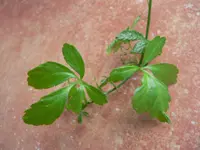
Southern ginseng, Gynostemma pentaphyllum, is a perennial climbing vine in the cucurbit family, related to cucumbers and gourds. It is mainly grown for its foliage and herbal use rather than showy flowers.
The plant forms thin, twining stems with divided leaves, usually in five leaflets, giving it a light, lacy look on trellises or supports. It occurs naturally in parts of China and East Asia, often in forest edges and mountain valleys.
Gynostemma pentaphyllum prefers mild conditions, consistent moisture, and light shade, which makes it suited to sheltered gardens and containers. Understanding how to care for southern ginseng starts with providing protection from harsh sun and drying winds.

Care Difficulty
Moderate Care

Light Preference
Partial Shade

Water Requirements
Keep Soil Moist

Temperature Preference
Warm Climate

Hardiness Zone
7–10

Soil Texture
Loamy, Silty, Organic-rich

Soil pH
Acidic (5.5–6.5), Slightly acidic (6.5–7.0)

Soil Drainage
Moist but well-drained

Fertilization
Light (every 4–6 weeks)
Scan your plant to receive care tips personalized for your specific plant
Available on iOS and Android
This vining herb prefers bright, indirect light similar to a lightly shaded forest edge.
This plant prefers consistently moist but not waterlogged soil that mimics a woodland floor.
This species grows best in mild, temperate conditions without temperature extremes.
This climbing herb prefers moderate humidity but adapts to many home conditions.
This vine grows best in loose, moisture-retentive but free-draining soil that mimics a forest floor.
This species grows very well in containers when given adequate root room and support for its climbing habit.
Gynostemma pentaphyllum is a light feeder that benefits from modest nutrition during active growth.
Pruning Gynostemma pentaphyllum helps manage its vigorous vining growth and keep it tidy.
This vine adapts well to containers and garden beds but benefits from occasional repotting or transplanting.
This species is commonly multiplied for tea and medicinal use by stem cuttings and seed.
Mature plants are fairly cold tolerant in the ground, but container-grown vines need extra attention in winter.

Plant Health Check
Not sure what's wrong with your plant? Check your plant's health inside the app.
This species is a perennial vine in the cucumber family (Cucurbitaceae) that climbs using branched tendrils, forming delicate, net-like foliage rather than thick stems or woody growth.
Its common name southern ginseng comes from its palmate leaves, usually divided into 5 (sometimes 7) sharply toothed leaflets that give the plant a characteristic star-shaped appearance.
The species is dioecious, meaning male and female flowers grow on different plants, so both sexes must be present and close together for viable seed production.

In parts of East Asia, this vine has been traditionally gathered from mountain forests and later brought into cultivation, leading to regional landraces with noticeable differences in vigor, leaf shape, and cold tolerance compared with wild populations.
The young leaves and tender shoots are edible and often used fresh or lightly cooked. Always introduce small amounts first to check tolerance, especially if you have existing health conditions or take medication, and avoid contaminated or roadside plants.
Keep your plants happy and healthy with plant identification, disease detection, and easy care guidance.