Rheum spiciforme Care

Rheum spiciforme

About Rheum spiciforme

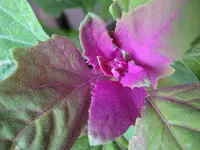
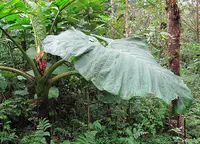
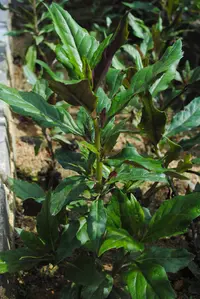
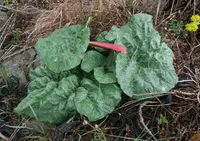
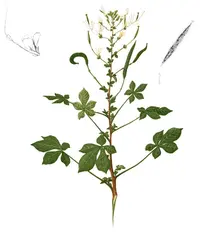
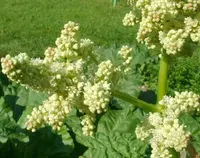
Rheum spiciforme is a perennial herb in the rhubarb genus, forming stout clumps with large, often lobed leaves and tall, branching flower spikes. It has a strong architectural look that stands out in cool-climate gardens.

This species is native to high-altitude regions of Central Asia, where it grows in open, rocky or grassy habitats with good drainage. Its mountain origin means it prefers cool summers, a cold winter rest, and soils that do not stay waterlogged.

Gardeners who want to care for Rheum spiciforme should note that it usually needs consistent moisture, full sun to light shade, and space for its deep root system and wide foliage spread.

Main Plant Requirements

Care Difficulty

Moderate Care

Light Preference

Partial Sun

Water Requirements

Regular Water

Temperature Preference

Cool Climate

Hardiness Zone

5–7

Soil Texture

Loamy, Silty, Organic-rich

Soil pH

Acidic (5.5–6.5), Slightly acidic (6.5–7.0)

Soil Drainage

Moist but well-drained

Fertilization

Minimal (feed rarely)

Get Personalized Care Plan

Scan your plant to receive care tips personalized for your specific plant

Available on iOS and Android

How to Care for the Rheum spiciforme

This species prefers cool, bright conditions with protection from strong midday sun.

  • Provide 4–6 hours of direct morning sun with light shade or filtered light in the early afternoon, especially in warmer regions.
  • Allow light dappled shade in hotter climates; in cool or northern areas it tolerates more open sun without leaf scorch.
  • Watch foliage for signs of stress: pale, lank leaves and weak stems indicate too much shade, while crisped or browned edges signal excessive intense sun exposure.

This plant favors consistently moist but not waterlogged soil, especially during active growth.

  • Water when the top 3–5 cm of soil feels slightly dry, then soak the root zone deeply so moisture penetrates 15–20 cm into the ground.
  • Use rich, well-drained soil or raised beds; standing water or heavy clay without amendment often leads to root rot and sour odors around the crown.
  • Reduce watering frequency in late fall and winter, but never allow complete drying; drooping, dull leaves suggest thirst, while limp, yellowing stalk bases point to overwatering in Rheum spiciforme.

This cool-temperate perennial grows best in moderate summers and cold winters.

  • Aim for active growth in 55–70°F (13–21°C); sustained temperatures above 80°F (27°C) slow growth and can cause leaf wilt or sun scorch if combined with strong light.
  • The crown and roots tolerate winter lows near 0°F (−18°C) when mulched; young shoots are more sensitive and may be damaged by late hard frosts.
  • In hot summers, use mulch and afternoon shade to keep soil cooler, and avoid planting in heat traps such as south-facing walls that can exceed 85°F (29°C).

This species handles a fairly wide humidity range and usually does not need special humidity management outdoors.

  • Target 40–60% humidity; it tolerates drier air but grows more vigorously within this range.
  • Dry leaf edges, curling, and slower leaf expansion may indicate humidity stress combined with heat or wind exposure.
  • In hot, arid sites, increase local humidity with organic mulch around the base and by grouping nearby plantings.

Rheum spiciforme prefers deep, moisture-retentive yet well-drained soil with a high organic content.

  • Use a loamy structure with plenty of organic matter, such as garden loam mixed with compost or well-rotted manure, for strong root development.
  • Ensure free drainage by incorporating coarse sand or fine grit in heavy clay, aiming to prevent standing water around the crown.
  • Keep pH slightly acidic to neutral, roughly 6.0–7.0, and avoid strongly alkaline sites that can limit nutrient uptake.
  • Avoid compacted or waterlogged areas; improve aeration by double-digging or broadforking and mixing in fibrous compost before planting.

This species is marginally suitable for large, deep containers when in-ground planting is not possible.

  • Choose a tall, heavy container to provide root depth and prevent the plant from becoming unstable in strong winds.
  • Fill the pot with a rich, loam-based mix that drains freely but holds moisture, and raise the container on feet to keep drainage holes clear.
  • Position the container where excess water can drain away quickly, since large volumes of wet mix around the crown increase rot risk.

This hardy perennial from nutrient-rich mountain habitats benefits from modest, targeted feeding rather than heavy fertilization.

  • Apply a balanced NPK granular or slow-release fertilizer at low label rates once in early spring as shoots emerge.
  • Supplement with a thin layer of well-rotted compost around the crown to maintain soil structure and organic matter.
  • During active growth, a half-strength liquid feed every 4–6 weeks is sufficient on poorer soils.
  • Stop feeding Rheum spiciforme by late summer and do not fertilize through winter dormancy.

Pruning focuses on hygiene and maintaining a clear crown rather than reshaping this clump-forming perennial.

  • In late winter or very early spring, remove all dead, damaged, or diseased leaf stalks at the base with clean, sharp pruners.
  • Through the growing season, cut back yellowing, torn, or pest-damaged leaves to improve airflow and reduce fungal problems.
  • If seed stalks are not desired, cut flower stems soon after bloom to direct energy back into root and crown growth.
  • Disinfect blades between plants, especially when handling Rheum spiciforme showing any rot or leaf spot symptoms.

This deep-rooted species is usually grown in the ground, so focus on careful site establishment rather than frequent moving.

  • Transplant in early spring or early fall when soil is workable and temperatures are mild, avoiding summer heat stress.
  • Choose a permanent, deep, well-drained spot, since mature clumps resent disturbance and form substantial taproots and crowns.
  • Move only when performance declines due to crowding or poor site choice, lifting with a broad root ball to limit root damage.
  • Water thoroughly before and after transplanting Rheum spiciforme, then mulch lightly and keep soil evenly moist while new roots establish.

Propagation is possible but slower than many garden perennials, so it is usually planned carefully and done on established plants.

  • Divide mature clumps in early spring just as buds swell, lifting the crown carefully to avoid snapping thick roots.
  • Use a clean, sharp knife to cut sections with at least 1–2 healthy buds and several strong roots per division.
  • Replant divisions into deep, fertile, well-drained soil, setting buds just at or slightly above soil level, then water in thoroughly.
  • Seed propagation is slower; sow fresh seed in cool conditions and expect variable germination and traits compared to the parent Rheum spiciforme.

This cold-hardy perennial tolerates substantial frost, so winter care is straightforward in most temperate climates.

  • After hard frosts, allow foliage to die back naturally, then remove collapsed leaves to limit rot and overwintering pests.
  • Apply a 5–8 cm layer of mulch around, but not on top of, the crown to buffer freeze–thaw cycles in exposed sites.
  • Container-grown plants are more vulnerable; move pots to a sheltered, unheated area where roots stay cold but not waterlogged.
  • In very severe winters, add a loose mulch cap over the crown of Rheum spiciforme, removing it as buds begin to swell in spring.

Care Tips

Mulch For Crowns

Apply a 3–5 cm layer of composted bark or leaf mold around but not over the crowns each spring to keep roots cool, conserve moisture, and suppress weeds without risking crown rot when growing Rheum spiciforme.

Staggered Harvesting

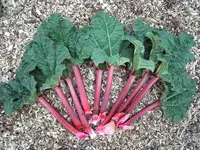
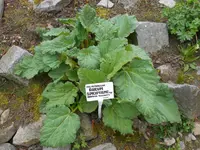
Harvest only 1/3 of mature stalks at a time and leave smaller central shoots untouched so the plant can maintain enough foliage to rebuild energy reserves for the following season.

Deep Root Protection

In colder regions, mound an extra 5–10 cm of loose mulch over the root zone in late fall, then pull it back gradually in spring to prevent freeze–thaw damage to the deep root system.

Targeted Slug Control

Set out low, shallow slug traps (such as boards or grapefruit rinds) near but not touching the crowns, then remove and destroy collected slugs in the morning to protect emerging shoots without broadcasting pellets across the bed.

Rot-Prevention Spacing

Space plants generously and orient rows along the prevailing wind so leaves dry quickly after rain, reducing the risk of leaf spot and crown rot in dense plantings.

Common Pests and Diseases

Leaf spot

This disease causes small water-soaked lesions on leaves that expand into brown or tan spots, often with a darker margin. Symptoms include premature yellowing and collapse of affected foliage, especially in cool, wet weather.

Solution

Remove and destroy affected leaves, avoid overhead watering, and keep the leaf canopy as dry as possible. Improve spacing for airflow and apply a copper-based fungicide or chlorothalonil to emerging leaves in spring if wet conditions persist.

Downy mildew

This disease leads to pale, yellowish patches on the upper leaf surface with greyish or white downy growth on the undersides. Symptoms include distorted, weakened leaves that can collapse under prolonged cool, humid conditions.

Solution

Remove and discard infected leaves and plant debris, and water at soil level in the morning so foliage dries quickly. Improve air circulation and, in areas with a history of the problem, use a labeled downy mildew fungicide preventively on young growth as part of broader Rheum spiciforme care instructions.

Crown rot

This disease affects the crown at soil level, causing soft, brown, water-soaked tissue and collapse of the central growing point. Symptoms include stunted new shoots, wilting in warm weather, and a foul smell from rotting tissue.

Solution

Excavate and discard severely affected plants, including surrounding contaminated soil. For minor infections, cut back to firm, healthy tissue, replant in a raised, free-draining bed, and maintain a slightly sloping soil surface so water drains away from the crown.

Slugs and snails

These pests feed on emerging shoots and broad leaves, leaving irregular holes and shredded edges. Symptoms include missing seedlings, slime trails, and damage concentrated on tender new growth.

Solution

Hand-pick pests in the evening, use slug traps or barriers (copper tape, sharp grit), and keep mulch thin around crowns. In high-pressure areas, apply iron phosphate slug bait according to label directions, focusing on early spring when shoots first emerge.

Rhubarb curculio

This pest is a large snout beetle that creates feeding punctures in stalks and leaf petioles, sometimes surrounded by gumming or oozing tissue. This pest also lays eggs in nearby weeds, and larvae can develop in stems of host plants, weakening clumps over time.

Solution

Hand-pick and destroy adult beetles when first seen and remove nearby broadleaf weeds, especially dock and thistle, which serve as alternate hosts. Cut out and dispose of heavily damaged stalks to interrupt the life cycle, and monitor plants closely in late spring and early summer to catch reinfestations early.

Interesting Facts

High-altitude specialist

This species is native to high mountain regions of Central Asia, where it grows on stony slopes and screes exposed to intense sun, wind, and cold. Its growth form and robust roots help anchor it in unstable, rocky substrates.

Dense flower spikes

It produces tightly packed, spikelike inflorescences of small flowers, which is the origin of its name spiciforme, meaning spike-shaped. These compact flower clusters are adapted to windy alpine conditions, reducing damage and pollen loss.

Adapted leaf morphology

The leaves are comparatively thick and sturdy for a rhubarb, an adaptation that reduces water loss and physical damage in harsh alpine environments. Their shape and texture help the plant tolerate strong UV radiation and rapid temperature swings.

FAQs about Rheum spiciforme

Young petioles may be used similarly to rhubarb in some local traditions, but the plant contains oxalic acid, especially in leaves and roots. Consumption is not recommended without expert identification and preparation guidance, as toxicity risk is significant.

Grow Healthy Plants with Botan Care

Keep your plants happy and healthy with plant identification, disease detection, and easy care guidance.

Botan plant care app — identify plants on mobile

Explore More Plants