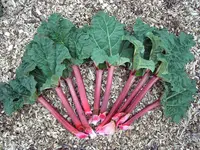
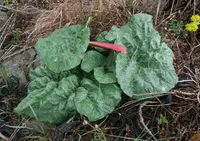
Early crown division
Divide established crowns in early spring before strong growth starts, keeping 2–3 healthy buds per division and replanting them at the same depth to maintain vigor and control clump size when growing False Rhubarb.

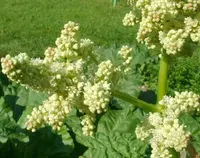
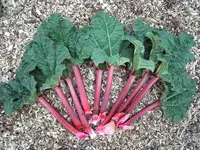
False rhubarb (Rheum rhaponticum) is a hardy, herbaceous perennial grown mainly for its thick, edible stalks and bold, leafy clumps. It forms a low, spreading mound with large, textured leaves and upright stems that give a strong, architectural look in the garden.
This species originates from parts of Europe and western Asia, where it grows in cool, temperate climates. It is generally robust but needs consistent moisture and fertile, well-drained soil to thrive.
Gardeners who learn how to care for False Rhubarb usually find it reliable, provided it is kept out of extreme heat and given enough space and light. It suits kitchen gardens, borders, and allotments where cool conditions are available.

Care Difficulty
Moderate Care

Light Preference
Full Sun

Water Requirements
Regular Water

Temperature Preference
Cold Hardy

Hardiness Zone
3–7

Soil Texture
Loamy, Silty, Organic-rich

Soil pH
Acidic (5.5–6.5), Slightly acidic (6.5–7.0)

Soil Drainage
Moist but well-drained

Fertilization
Light (every 4–6 weeks)
Scan your plant to receive care tips personalized for your specific plant
Available on iOS and Android
This cool-season perennial vegetable prefers strong light but dislikes intense, drying heat.
This plant needs consistently moist, not saturated, soil to produce strong stalks and large leaves.
This hardy perennial thrives in cool conditions and benefits from a pronounced winter chill.
This species grows best in relatively moist air but usually manages well in typical outdoor conditions.
Rheum rhaponticum prefers deep, fertile, moisture-retentive but well-drained soil.
This species can be grown in large outdoor containers but needs careful setup to support its strong root system.
Rheum rhaponticum responds well to moderate feeding that supports large leaf and stalk production without forcing soft, weak growth.
Rheum rhaponticum needs only light pruning focused on hygiene and maintaining strong crowns.
This species is usually grown in the ground, so transplanting young Rheum rhaponticum plants is more common than long-term container repotting.
Rheum rhaponticum is most reliably propagated by crown division, with seed used mainly for breeding and longer-term projects.
This hardy perennial tolerates typical temperate frosts well, so winter care for Rheum rhaponticum is minimal in most outdoor beds.

Plant Health Check
Not sure what's wrong with your plant? Check your plant's health inside the app.
This species is considered a hybrid rhubarb, historically linked to European cultivation and distinct from culinary rhubarb derived mainly from Rheum × hybridum or Rheum rhabarbarum.
False rhubarb is grown mainly as an ornamental or heritage vegetable in Europe and is now uncommon in mainstream food production compared with modern rhubarb hybrids.
Its root contains different proportions of anthraquinones and related compounds compared with Chinese rhubarb species used in traditional medicine, which is one reason it was historically treated as a separate rhubarb type in European pharmacopoeias.

In the 18th and 19th centuries, False rhubarb was cultivated in parts of Europe as a local substitute for imported Asian rhubarb roots, playing a temporary role in reducing reliance on long-distance trade before being largely replaced by other cultivated rhubarb types.
This species forms a clump and can slowly enlarge by short rhizomes, but it is not considered aggressive. It usually stays where planted if given adequate space, moisture, and nutrition, without taking over nearby beds.
Keep your plants happy and healthy with plant identification, disease detection, and easy care guidance.