garden rhubarb Care (Rheum rhabarbarum)

Also known as: Rhubarb
garden rhubarb

About garden rhubarb

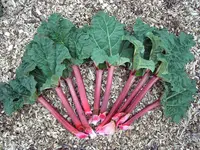
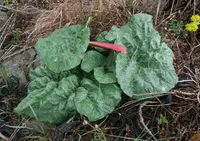
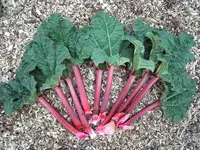
Garden rhubarb, Rheum rhabarbarum, is a hardy perennial grown mainly for its thick, tart, red to green leaf stalks used in cooking. The plant forms a dense clump of large, heavily veined leaves on long petioles and produces tall flower stalks with airy clusters of small flowers if left to mature.

It originates from cooler regions of Asia but is now widely cultivated in temperate gardens, especially in vegetable and kitchen beds. Plants are long-lived when given a cool climate, winter chill, and space to form strong crowns.

Rhubarb is generally straightforward to grow if it has full sun, consistent moisture, and rich, well-drained soil. Understanding how to care for garden rhubarb mainly involves supporting its vigorous growth and avoiding stress to the crowns.

Main Plant Requirements

Care Difficulty

Moderate Care

Light Preference

Full Sun

Water Requirements

Regular Water

Temperature Preference

Cold Hardy

Hardiness Zone

3–8

Soil Texture

Loamy, Silty, Organic-rich

Soil pH

Acidic (5.5–6.5), Slightly acidic (6.5–7.0)

Soil Drainage

Moist but well-drained

Fertilization

Light (every 4–6 weeks)

Get Personalized Care Plan

Scan your plant to receive care tips personalized for your specific plant

Available on iOS and Android

How to Care for the garden rhubarb

Rheum rhabarbarum grows best in bright outdoor conditions with strong but not scorching sun.

  • Provide 4–6 hours of direct sun daily, ideally morning sun with light afternoon shade to reduce leaf scorch.
  • Tolerates partial shade, especially in hot summers, but yields are lower if it receives under 3–4 hours of direct light.
  • In cool or cloudy climates, choose the sunniest site available; monitor for pale, weak stalks as a sign of insufficient light.

Rheum rhabarbarum prefers consistently moist, cool soil without waterlogging.

  • Water when the top 3–5 cm of soil feels slightly dry, aiming for an even moisture level down to the root zone.
  • Use deep, infrequent soakings rather than light splashes, and ensure soil drains well so water does not pool around the crown.
  • In hot, dry periods, increase watering and mulch 5–8 cm deep to reduce evaporation; wilted, floppy leaves signal thirst, while yellowing, mushy stalk bases suggest excess moisture.

This cool-season perennial prefers moderate temperatures and benefits from a cold winter rest.

  • Optimal growth occurs around 45–75°F (7–24°C), with strongest stalk production in the cooler part of this range.
  • Plant crowns in sites where winter cold reaches about 30–40°F (-1–4°C) for several weeks to support dormancy and long-term vigor.
  • Mature plants tolerate brief drops to about 20°F (-6°C), but growth slows above 80°F (27°C); in heat, provide shade and mulch to keep soil cool and reduce stress.

Humidity is rarely a limiting factor for outdoor Rheum rhabarbarum.

Rheum rhabarbarum prefers deep, moisture-retentive but well-drained soil.

  • Aim for a loamy soil rich in organic matter that holds moisture yet does not become waterlogged.
  • Target a slightly acidic to neutral pH around 6.0–7.0 for best nutrient availability.
  • Incorporate 30–50% compost plus coarse material such as grit or bark fines to improve structure and aeration.
  • Avoid heavy, compacted clay or sites where water stands after rain, as roots are prone to rot.

This species can be grown in large outdoor containers but needs careful management of space and stability.

  • Choose a pot at least 40–50 cm deep and wide so thick storage roots can develop without crowding.
  • Use a heavy, frost-resistant container material that resists tipping as large leaves catch wind and add leverage.
  • Raise the container on feet or bricks outdoors to keep drainage holes clear and prevent saturated roots after rain.

Rheum rhabarbarum responds well to steady nutrition but depends more on rich soil than heavy feeding.

  • In early spring, spread 2–5 cm of well-rotted compost or manure around the crowns, keeping material off the buds.
  • During active growth, use a balanced NPK granular or slow-release fertilizer once in spring at label rates.
  • Avoid high-nitrogen lawn products, which push soft, weak stalks and reduce overall crown longevity.
  • Stop feeding garden rhubarb by late summer so plants can harden off before dormancy.

Pruning Rheum rhabarbarum focuses on hygiene and energy management rather than shaping.

  • From spring through summer, remove yellowing, torn, or diseased leaves at the base with clean, sharp pruners.
  • Cut off emerging flower stalks early if the goal is stronger leaf and stalk production.
  • At season’s end, trim back collapsed foliage to reduce overwintering pests and fungal spores.
  • Disinfect tools when cutting diseased tissue to limit spread between plants.

Garden rhubarb is usually grown in the ground, so management focuses on dividing and transplanting mature crowns.

  • Plan major moves or divisions in early spring or late fall when growth is dormant or just starting.
  • Transplant when crowns are congested, stalks become thin, or clumps decline despite good care, typically every 4–6 years.
  • Lift crowns carefully, then separate sections with at least 1–2 healthy buds and a solid root portion.
  • Replant divisions promptly into enriched, well-drained soil, water deeply, and shade briefly to reduce root stress.

Rheum rhabarbarum is most reliably propagated by division, which preserves cultivar traits and vigor.

  • Time divisions for early spring or late fall when plants are dormant or just breaking bud.
  • Lift the clump and split it into sections, each with 1–3 buds and a generous piece of storage root.
  • Replant divisions at the same depth in fertile, well-drained soil, spacing crowns 75–100 cm apart.
  • Seed propagation is possible in warm, evenly moist soil but produces variable offspring and slower harvests.

Rheum rhabarbarum is cold hardy and usually needs only simple winter care in most temperate climates.

  • After hard frost, allow foliage to die back, then remove collapsed leaves to limit pests and disease.
  • Apply a 5–10 cm mulch layer of straw, leaves, or compost over the root zone in colder regions.
  • In very cold or exposed sites, add extra mulch or a breathable cover to insulate crowns without waterlogging.

Care Tips

Divide Crowded Clumps

Lift and divide mature crowns every 4–6 years in early spring or fall, replanting only the firm, healthy sections with at least 2–3 buds to maintain vigor and stalk size.

Mulch For Cool Roots

Apply a 5–8 cm layer of straw or shredded bark around, but not against, the crown to keep roots cool, suppress weeds, and reduce moisture fluctuations that can stress the plant.

Control Flower Stalks

Cut off emerging flower stalks as soon as they appear using clean, sharp pruners so the plant directs energy into leaf and petiole production rather than seed.

Stagger Harvest Timing

Harvest from several plants in rotation and never remove more than 30–40% of stalks from a single crown at one time to avoid weakening the root system over the season.

Winter Crown Protection

In cold climates, mound compost or loose straw 10–15 cm over the crown after the first hard frost to protect buds, then pull it back in early spring when growth resumes, which is a key step in caring for garden rhubarb.

Common Pests and Diseases

Rhubarb curculio

This pest is a large rusty-brown weevil that bores into rhubarb stalks and leaf bases, causing oozing, corky scars, and distorted growth. Symptoms include small feeding holes and gummy exudate where the adults have punctured the stalks.

Solution

Hand-pick and destroy adult weevils when first seen, and remove and discard any wild dock or related Rumex weeds nearby that serve as breeding hosts. Cut out and dispose of infested stalks, and keep the area around plants clean of plant debris to reduce overwintering sites.

Rhubarb leaf spot

This disease causes small greenish-yellow to reddish-brown spots on leaves that may enlarge, merge, and lead to premature leaf death. Symptoms include papery centers in older spots and reduced vigor in heavily affected plants.

Solution

Remove and discard heavily spotted leaves to lower the source of spores, and avoid overhead watering that keeps foliage wet for long periods. Improve spacing and airflow, keep beds weed-free, and if the problem is severe and recurrent, use an appropriate copper or chlorothalonil fungicide labeled for edible crops according to label directions.

Rhubarb crown rot

This disease leads to dark, water-soaked, and then rotting crowns that fail to sprout well in spring or collapse in early growth. Symptoms include foul-smelling, soft tissue at the crown and poor, weak stalks in wet or poorly drained soils.

Solution

Dig out and discard severely affected plants, including as much rotted crown and surrounding soil as practical. Replant only in well-drained soil or raised beds, avoid overwatering, and rotate rhubarb to a new spot if crown rot has been a recurring issue.

Slugs and snails

These pests chew irregular holes in leaves, especially on tender new growth and in damp, shaded conditions. Symptoms include slime trails on soil or foliage and ragged leaf edges.

Solution

Hand-pick slugs and snails in the evening, and reduce hiding spots by clearing mulch layers that are too thick, boards, and plant debris around crowns. Use iron phosphate slug baits labeled for edible crops, and water in the morning so the soil surface is drier overnight.

Aphids

These insects are small soft-bodied sap feeders that cluster on the undersides of leaves and on tender stems, sometimes leading to curled, distorted foliage and sticky honeydew deposits. This pest can also encourage sooty mold growth on the honeydew and attract ants.

Solution

Spray infested areas with a firm stream of water to dislodge aphids, and prune off heavily infested leaves if practical. For ongoing issues, use insecticidal soap or neem oil, applied thoroughly to leaf undersides and repeated as needed, and encourage natural predators such as lady beetles by avoiding broad-spectrum insecticides in the garden when caring for garden rhubarb.

Interesting Facts

Edible stalks only

Garden rhubarb is grown for its thick, fleshy leaf stalks, which are edible when cooked, while the large leaves are discarded because they contain relatively high levels of oxalic acid and should not be eaten.

Cool-climate perennial

This species is a hardy herbaceous perennial that survives winter by retreating to a large underground crown and root system, then sending up new stalks and leaves each spring in cool and temperate climates.

Distinct sour flavor

Its characteristic tart taste comes mainly from organic acids such as malic and citric acids in the stalks, which is why recipes usually combine rhubarb with sugar or other sweet ingredients.

Botan icon

Did you know?

Historical records indicate that rhubarb roots from related species were traded along the Silk Road long before the plant became popular in Europe as a food crop; modern garden rhubarb was later selected and bred specifically for its large, flavorful stalks rather than for medicinal use.

FAQs about garden rhubarb

Only the thick, firm stalks are edible and commonly used in cooking once leaves are removed. Leaves and roots contain high levels of oxalic acid and other compounds and must not be eaten fresh or cooked.

Grow Healthy Plants with Botan Care

Keep your plants happy and healthy with plant identification, disease detection, and easy care guidance.

Botan plant care app — identify plants on mobile

Explore More Plants