Spanish jasmine Care (Jasminum grandiflorum)

Also known as: Royal jasmine, Catalan jasmine, Sicilian jasmine
Spanish jasmine

About Spanish jasmine

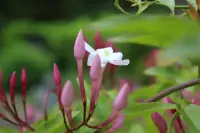
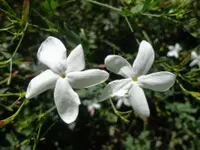
Spanish jasmine, Jasminum grandiflorum, is a woody, twining vine grown for its highly fragrant white flowers. It often climbs on trellises, fences, or walls and can also be trained as a shrub in warm climates.

This species is native to South Asia and the Arabian Peninsula but is now widely cultivated in Mediterranean-style gardens and mild climates. Flowers open mainly from late spring through summer and are used in perfumery.

The plant is considered moderately easy to grow if its basic needs are met. To care for Spanish jasmine successfully, provide bright light, a support to climb, evenly moist but well-drained soil, and protection from hard frost.

Main Plant Requirements

Care Difficulty

Moderate Care

Light Preference

Full Sun

Water Requirements

Moderate Water

Temperature Preference

Tropical / Frost Sensitive

Hardiness Zone

9–11

Soil Texture

Sandy, Loamy, Organic-rich

Soil pH

Acidic (5.5–6.5), Slightly acidic (6.5–7.0)

Soil Drainage

Moist but well-drained

Fertilization

Light (every 4–6 weeks)

Get Personalized Care Plan

Scan your plant to receive care tips personalized for your specific plant

Available on iOS and Android

How to Care for the Spanish jasmine

This jasmine needs bright sun for strong flowering but some protection from intense heat.

  • Provide 4–6 hours of direct morning sun with light afternoon shade; in cooler climates it can handle sun most of the day.
  • Tolerates partial shade, but flowering on Spanish jasmine drops if it receives under 3–4 hours of direct light daily.
  • In hot summers, protect from harsh afternoon sun that can scorch leaves; in winter, choose the sunniest spot available to maximize light.

This shrub prefers evenly moist, well-drained soil that never stays waterlogged.

  • Water when the top 3–5 cm of soil feels dry, allowing deeper roots to remain slightly moist but not soggy.
  • Reduce watering in cooler months when growth slows, but do not let soil dry out hard or leaves may yellow and drop.
  • Signs of overwatering include limp, yellowing leaves and sour-smelling soil; underwatered Jasminum grandiflorum shows dry, crisp leaf edges and rapid wilting.

Stable warm conditions support strong growth and flowering.

  • Ideal growth occurs around 65–80°F (18–27°C); light flowering often continues whenever temperatures stay in this range.
  • Tolerates brief dips to about 30–32°F (-1–0°C) but flower buds and foliage can be damaged; protect from any hard frost.
  • Handles dry heat up to 90–95°F (32–35°C) if soil moisture is maintained, but extreme, prolonged heat with dry winds can scorch leaves and reduce blooms.

This jasmine prefers moderate humidity but adapts to many home conditions if extremes are avoided.

  • Aim for 40–60% humidity; it copes with slightly drier air but flowers better in the middle of this range.
  • Dry air stress shows as crisp leaf tips, some leaf drop, and fewer buds on Spanish jasmine.
  • Raise humidity with a nearby pebble tray, grouped plants, or a small room humidifier rather than misting leaves heavily.

This species prefers loose, well-draining, moderately fertile soil that stays evenly moist but not waterlogged.

  • Use a mix of 50–60% loam or peat-free potting mix, 20–30% compost, and 20–30% coarse sand or perlite for structure and drainage.
  • Target a slightly acidic to neutral pH around 6.0–7.0 to support nutrient availability for Jasminum grandiflorum.
  • In heavy or clay soils, improve aeration by working in coarse sand, fine bark, or grit to at least the top 20–25 cm.
  • Avoid dense, water-retentive mixes that stay soggy, as these promote root rot and weak, yellowing growth.

This jasmine is well suited to container growing when given enough root space and stable support.

  • Choose a deep, heavy pot that resists tipping as the vine climbs and adds top weight.
  • Select a container 5–10 cm wider than the root ball to allow root spread without creating a large, wet soil mass.
  • Use a fast-draining potting mix and ensure drainage holes never sit in a saucer of standing water to protect roots.

This jasmine responds well to moderate feeding during the active growing season.

  • Use a balanced liquid fertilizer (around 10-10-10 or 20-20-20) diluted to 1/2 strength every 3–4 weeks in spring and summer.
  • Alternatively, apply a slow-release balanced granule at the start of spring following label rates.
  • Supplement with a thin layer of well-rotted compost over the root zone once a year.
  • Reduce feeding in fall and stop in winter, as Spanish jasmine rests and excess nutrients may cause weak growth.

Thoughtful pruning keeps Jasminum grandiflorum compact, floriferous, and manageable.

  • Schedule main pruning for late winter or immediately after the main flush of flowers finishes.
  • Remove dead, diseased, or storm-damaged stems with clean, sharp bypass pruners.
  • Thin out crowded, tangled, or very weak shoots to improve light and air flow into the plant.
  • Shorten overly long vines to shape the plant and encourage stronger, flowering side shoots.

Container-grown plants benefit from periodic repotting or transplanting to maintain vigor.

  • Look for roots circling the pot, pushing through drainage holes, or growth slowing despite good care as signs to move the plant.
  • Plan repotting or transplanting for early spring, just before strong new growth begins.
  • Repot every 2–3 years into a container 1–2 in wider, using a free-draining, rich potting mix.
  • Water thoroughly after moving, keep out of harsh sun for 3–5 days, and maintain even moisture to limit root stress.

New plants are most often produced from cuttings and layering rather than seed.

  • Take 8–10 cm semi-ripe stem cuttings in late spring to summer, choosing non-flowering shoots.
  • Remove lower leaves, dip the cut end in rooting hormone, and insert into a moist, free-draining propagation mix.
  • Maintain high humidity and gentle bottom warmth around 70–75°F with bright, indirect light until rooted.
  • For layering, pin a flexible stem to the soil, cover the middle section, and sever once strong roots form.

Cold protection is important for this frost-sensitive jasmine, especially in cool climates.

  • In regions below about 25°F, grow in containers so plants can be moved indoors or into a greenhouse for winter.
  • For in-ground plants in mild zones, apply 5–8 cm of mulch around the root zone, keeping it off the stems.
  • Use frost cloth or breathable covers on very cold nights to shield stems and foliage from freezing damage.

Care Tips

Support And Training

Install a sturdy trellis, wires, or wooden lattice early, then loosely tie new shoots with soft garden ties and gradually fan them out to create a well-ventilated, flower-covered framework.

Bud-Protective Pruning

When shaping the plant, shorten only part of the previous season’s long whips and leave several uncut, since flower buds form on new side shoots that emerge from these older stems.

Container Root Management

For long-term potted plants, slide the root ball out every 1–2 years, slice off 2–3 cm of congested outer roots, refresh the outer soil layer, and replant at the same depth to control size and maintain vigor.

Targeted Pest Monitoring

Inspect shoot tips and the undersides of leaves weekly during warm weather for aphids, spider mites, and whiteflies, and rinse them off with a firm stream of water before populations build up.

Seasonal Placement Shift

In climates with cool winters, gradually acclimate plants outdoors in spring by increasing their time outside over 7–10 days, then return them indoors or under cover before the first fall chill to keep growing Spanish jasmine in stable conditions.

Common Pests and Diseases

Jasmine budworm

This pest is a caterpillar that tunnels into flower buds, causing them to brown, dry, and drop before opening. Symptoms include chewed petals, small entry holes, and frass (insect droppings) on buds and nearby leaves.

Solution

Hand-pick and destroy affected buds and visible caterpillars, then dispose of dropped buds from the soil surface to break the life cycle. Encourage natural predators, use a targeted biological control such as Bacillus thuringiensis (Bt) on buds in the evening, and avoid broad-spectrum sprays that can kill beneficial insects important for growing Spanish jasmine successfully.

Jasmine leaf webworm

This pest is a small caterpillar that webs together leaves and tender shoots, feeding inside the shelter and causing distorted, skeletonized foliage. Symptoms include fine webbing on shoot tips and clusters of dried, brown leaves held together by silk.

Solution

Prune and discard all webbed shoot tips and affected foliage, sealing material in a trash bag rather than composting. For heavier infestations, spray the new growth with Bt or a similar caterpillar-specific product, and reduce excess nitrogen fertilization, which can promote tender, attractive growth for this pest.

Jasmine rust

This disease is a fungal infection that produces orange to brown pustules on the undersides of leaves, sometimes leading to yellowing and premature drop. Symptoms include scattered spots that break open into powdery spore masses, often starting on lower, shaded foliage.

Solution

Remove and discard infected leaves as soon as symptoms appear and keep the plant pruned to improve air movement around the foliage. Water at the base rather than overhead, avoid wetting leaves in the evening, and in persistent or severe cases use a labeled rust fungicide applied according to instructions, focusing on new and lower leaves.

Sooty mold

This disease is a superficial fungal growth that develops on the sticky honeydew produced by sap-sucking insects such as whiteflies, aphids, or scale. Symptoms include black, soot-like coating on leaves and stems that can reduce photosynthesis and make foliage look dull and dirty.

Solution

First control the honeydew-producing insects with measures such as a strong water spray, insecticidal soap, or horticultural oil, ensuring thorough coverage of leaf undersides. Once the insects are reduced, gently wipe or hose off the mold from leaves, and maintain good airflow and moderate plant density to reduce humidity and insect pressure.

Whiteflies

These insects are tiny, white, moth-like pests that feed on the undersides of leaves, causing yellowing, leaf drop, and sticky honeydew that can lead to sooty mold. This pest often forms dense clouds when the plant is disturbed, especially in warm, sheltered spots or greenhouse conditions.

Solution

Use yellow sticky traps to monitor and reduce adult numbers, and regularly inspect and treat the undersides of leaves with insecticidal soap or horticultural oil, repeating applications as needed. Improve air circulation, avoid overfertilizing with nitrogen, and remove heavily infested leaves to lower population levels and protect new growth.

Interesting Facts

Source of jasmine absolute

This species is one of the primary commercial sources of jasmine absolute, a highly valued perfume ingredient extracted from its intensely fragrant flowers using solvent extraction.

Daytime-blooming jasmine

Unlike several night-blooming jasmine relatives, its flowers usually open near dawn and release their strongest fragrance in the early morning and evening rather than only at night.

Ancient perfumery crop

It has been cultivated for perfumery in India and around the Mediterranean for centuries, with historical records showing organized plantations supplying flowers specifically for oil and attar production.

Botan icon

Did you know?

In modern fragrance chemistry, this species is considered a reference standard for the classic jasmine scent profile, and its natural absolute is routinely used to calibrate trained human perfume evaluators and gas chromatography profiles when assessing synthetic jasmine-like aroma compounds.

FAQs about Spanish jasmine

Lack of blooms usually comes from insufficient light, heavy pruning at the wrong time, or excess nitrogen fertilizer. Old, exhausted potting mix and rootbound conditions can also reduce flowering. Adjust pruning timing and feeding to support buds.

Grow Healthy Plants with Botan Care

Keep your plants happy and healthy with plant identification, disease detection, and easy care guidance.

Botan plant care app — identify plants on mobile

Explore More Plants