oldwoman Care (Artemisia stelleriana)

Also known as: Hoary Mugwort, Dusty Miller, Beach Wormwood
oldwoman

About oldwoman

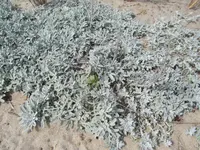
Oldwoman, Artemisia stelleriana, is a compact, herbaceous perennial known for its dense silver-gray foliage and softly hairy leaves. It usually forms low mounds or edging clumps rather than tall upright stems.

This species is native to coastal areas of northeastern Asia and naturalized in some cool coastal regions of North America. Its tolerance of wind, salt spray, and poor soils makes it suitable for exposed sites.

Oldwoman prefers full sun, well-drained sandy or gritty soil, and relatively dry conditions. These traits generally make it easy to maintain, as long as the soil does not stay wet. Gardeners who learn how to care for oldwoman can use it effectively in borders, rock gardens, and coastal plantings.

Main Plant Requirements

Care Difficulty

Easy Care

Light Preference

Full Sun

Water Requirements

Low Water

Temperature Preference

Cold Hardy

Hardiness Zone

3–7

Soil Texture

Sandy, Loamy, Rocky

Soil pH

Slightly acidic (6.5–7.0), Neutral (7.0)

Soil Drainage

Well-drained

Fertilization

Minimal (feed rarely)

Get Personalized Care Plan

Scan your plant to receive care tips personalized for your specific plant

Available on iOS and Android

How to Care for the oldwoman

Artemisia stelleriana prefers bright, open conditions and stays most compact with strong light exposure.

  • Provide 6–8 hours of direct sun daily; in hot inland summers, prioritize morning sun with light afternoon shade to prevent leaf scorch.
  • Tolerates light partial shade (3–4 hours sun) but foliage becomes looser and may flop if shade exceeds about half the day.
  • In winter, shorter days are acceptable, but avoid dense shade from shrubs or buildings that blocks all low-angle sun for most of the season, especially for oldwoman.

This plant is drought-tolerant and prefers slightly dry conditions rather than frequent moisture.

  • Water only when the top 3–5 cm of soil is completely dry, using deep, infrequent soaking rather than light splashes to encourage a deep root system.
  • Ensure sharply drained, sandy or gravelly soil; Artemisia stelleriana is prone to root rot in compacted or waterlogged ground, especially in cool or wet climates.
  • Reduce watering further in fall and winter; signs of overwatering include wilting with soft, darkened stems, while underwatering shows as crisp, dull leaves that recover quickly after a thorough soak.

This coastal species prefers cool to mild conditions and handles significant cold once established outdoors.

  • Active growth is strongest around 55–70°F (13–21°C), where foliage stays dense and silver without heat stress or etiolation, which is stretched growth from low light.
  • Mature plants typically tolerate down to about -20°F (-29°C) with good drainage, but new plantings benefit from protection during the first winter freeze-thaw cycles.
  • Handles summer heat up to about 85–90°F (29–32°C) if soil is not waterlogged, though extended periods above this can cause temporary wilting and tip browning until cooler weather returns.

This species prefers dry air and does not need added humidity beyond typical indoor or outdoor conditions.

  • Target 30–50% humidity, similar to most heated indoor homes or dry outdoor sites.
  • Oldwoman tolerates very dry air but can develop floppy, overly lush growth if kept in high humidity.
  • If foliage looks persistently damp or mildewed, increase air movement rather than raising humidity levels.

This plant thrives in lean, fast-draining, sandy soil that mimics coastal or dry garden conditions.

  • Use a mix of roughly 50–70% coarse sand or grit with the rest light potting soil to keep the root zone airy.
  • Aim for slightly acidic to neutral pH, around 6.0–7.5, which suits typical Artemisia stelleriana growth.
  • Avoid dense clay or heavy organic mixes that stay wet, since prolonged saturation quickly leads to root and crown rot.
  • If native soil is compacted, raise the planting area or use a berm to improve drainage and oxygen supply around roots.

This species is well suited to container growing, especially in sunny, dry sites.

  • Choose a wide, shallow pot that allows lateral spreading while keeping the root zone from staying wet at depth.
  • Use a heavy, stable container material like ceramic when grown in windy spots to reduce tipping of sprawling stems.
  • Set the container slightly raised on pot feet or bricks so drainage holes never sit directly in collected runoff water.

This drought-tolerant perennial needs modest feeding, so focus on lean, well-drained soil for healthy oldwoman growth.

  • Use a light application of balanced, slow-release fertilizer (around 10-10-10) in early spring if soil is poor.
  • Feed only 1 time per growing season; excess nutrients reduce its compact, silvery habit.
  • Dilute liquid fertilizer to 1/2 strength and apply to moist soil to avoid root burn.
  • Skip feeding in fall and winter when growth slows or stops.

Pruning supports a dense, tidy form and maintains the silvery foliage display of Artemisia stelleriana.

  • Use clean hand pruners to remove dead, damaged, or diseased stems whenever noticed.
  • In early spring, lightly cut back leggy or woody growth to encourage compact new shoots.
  • Shear spent flower stalks in mid to late summer to keep mounds neat and focused on foliage.
  • Avoid cutting into very old, bare wood; leave some leafy stems to maintain vigor.

This plant is usually grown in the ground, so transplanting frequency is low once established.

  • Transplant in early spring or early fall when temperatures are mild and soil is workable.
  • Move plants if growth declines, roots circle a container, or soil stays overly wet despite good drainage.
  • Lift with a wide root ball, keep roots shaded and moist, and replant promptly at the same depth.
  • Water in gently, then keep soil lightly moist for 1–2 weeks to limit transplant shock.

Artemisia stelleriana is commonly propagated to expand plantings of its silvery foliage mats.

  • Take 7–10 cm softwood stem cuttings in late spring to early summer and root in a sandy, well-drained mix.
  • Keep cuttings in bright, indirect light with lightly moist, not wet, substrate until rooted.
  • Divide mature clumps in early spring, replanting divisions into similar, sharply drained soil.
  • Sow seeds on the surface of a gritty mix in spring, keeping them barely moist and in good light.

This species is fairly cold hardy in temperate climates and typically needs minimal winter care outdoors.

  • In USDA zones around 4–9, established plants usually tolerate normal winter frosts.
  • Apply a light, dry mulch layer around the root zone in late fall in colder or exposed sites.
  • Ensure soil drainage stays high to prevent crown and root rot during wet, freezing periods.

Care Tips

Control Plant Spread

Edge beds or use shallow root barriers if you do not want this plant to run through neighboring plantings, as its creeping habit can quickly overtake weaker perennials in sandy soils.

Improve Rain Shedding

Plant on a slight mound or in a raised strip so excess rain drains away from the crown, which helps prevent rot and keeps foliage dense and silvery.

Use Reflective Mulch

Apply a very thin, gritty mineral mulch such as coarse sand or fine gravel around the base to reflect light back to the leaves and keep them drier and cleaner without holding extra moisture.

Prevent Leggy Growth

Shear lightly by 2–3 cm after the first flush of growth to encourage a tighter, more cushion-like form and maintain a neat edge along paths or borders when growing oldwoman.

Salt-Tolerant Placement

Site plants where road or sea spray salt may hit, as this species tolerates moderate salinity and can act as a protective buffer for less salt-hardy plants set just behind it.

Common Pests and Diseases

Powdery mildew

This disease appears as white to gray powdery patches on leaves and stems, often in warm, dry conditions with poor air circulation.

Solution

Improve airflow by thinning and spacing plants, avoid overhead watering, and remove heavily infected foliage; if needed, apply a sulfur or potassium bicarbonate fungicide labeled for ornamentals, following label directions carefully as part of Artemisia stelleriana care.

Rust

This disease causes small yellow spots on upper leaf surfaces and orange to brown pustules on the undersides, especially in humid or wet conditions.

Solution

Promptly remove and discard affected leaves, water at soil level to keep foliage dry, and improve spacing; in persistent cases, use a labeled ornamental rust fungicide and rotate products to reduce resistance development.

Aphids

These insects cluster on young stems and leaf undersides, sucking sap and causing curling, distortion, and sticky honeydew that can attract sooty mold.

Solution

Spray plants with a firm stream of water to dislodge colonies, then treat remaining aphids with insecticidal soap or a light horticultural oil, repeating every 5–7 days until populations are controlled and encouraging natural predators like lady beetles where possible.

Spider mites

These pests thrive in hot, dry weather and cause fine stippling, dull gray foliage, and delicate webbing on stems and leaf undersides.

Solution

Increase humidity around plants, hose down foliage regularly to knock mites off, and use insecticidal soap or a horticultural oil targeted to mites, ensuring thorough coverage of the undersides of leaves and repeating as needed.

Leaf spot

This disease produces small brown, tan, or purplish spots on leaves that can coalesce and cause premature leaf drop, often after prolonged leaf wetness.

Solution

Remove and discard spotted leaves, avoid overhead irrigation, and water early in the day so foliage dries quickly; if severe, apply a broad-spectrum ornamental fungicide and maintain good spacing and sanitation to reduce reinfection.

Interesting Facts

Silver dune specialist

This species naturally grows on coastal sand dunes and gravelly shores in East Asia and the North Pacific, where its dense mat of roots and stems helps stabilize loose, shifting substrates.

Fine felted foliage

Its leaves are covered with a dense layer of tiny hairs that give a silver-white, felted surface, which reduces water loss and reflects strong sunlight in exposed coastal habitats.

Cold-tolerant perennial

The plant forms low, spreading clumps that can survive harsh coastal winters and salt-laden winds, remaining persistent in areas where many other perennials struggle.

Botan icon

Did you know?

Artemisia stelleriana was first described from North Pacific regions visited on 18th‑century expeditions and is named in honor of Georg Wilhelm Steller, a German naturalist who documented many plants of the Bering Sea area.

FAQs about oldwoman

This species performs best outdoors in full sun, sandy or gritty soil, and open air circulation. Indoors it tends to become leggy, weak, and prone to rot, so oldwoman indoor care is generally not recommended long term.

Grow Healthy Plants with Botan Care

Keep your plants happy and healthy with plant identification, disease detection, and easy care guidance.

Botan plant care app — identify plants on mobile

Explore More Plants