lemon grass Care (Cymbopogon citratus)

lemon grass

About lemon grass

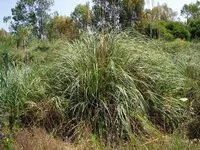
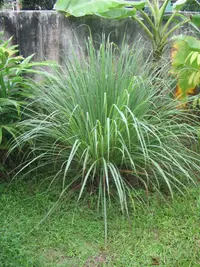
Lemon grass, Cymbopogon citratus, is a fast-growing tropical grass valued for its citrus-scented leaves and clumping, fountain-like growth. It forms dense tufts of upright, strap-shaped foliage from a swollen, bulb-like base.

This species is native to Southeast Asia but is now widely grown in warm climates and containers worldwide. It is generally easy to grow when given warmth, good light, and consistent moisture.

The plant prefers sunny, open positions and well-drained, moderately rich soil. Understanding these basic needs makes it simpler to care for lemon grass, both outdoors and in containers.

Main Plant Requirements

Care Difficulty

Moderate Care

Light Preference

Full Sun

Water Requirements

Regular Water

Temperature Preference

Tropical / Frost Sensitive

Hardiness Zone

9–11

Soil Texture

Sandy, Loamy, Organic-rich

Soil pH

Acidic (5.5–6.5), Slightly acidic (6.5–7.0)

Soil Drainage

Moist but well-drained

Fertilization

Moderate (every 2–4 weeks)

Get Personalized Care Plan

Scan your plant to receive care tips personalized for your specific plant

Available on iOS and Android

How to Care for the lemon grass

Cymbopogon citratus needs abundant direct sun for dense, flavorful growth.

  • Provide 6–8 hours of direct sun daily; full sun is ideal, especially in spring and summer when days are longer.
  • Plant where it receives morning sun and can tolerate hot afternoon sun, though in very hot, dry climates light afternoon shade reduces leaf scorch.
  • In partial shade (3–4 hours direct sun), stems become thin and floppy; move or prune surrounding plants if clumps start leaning toward the light.

This grass prefers evenly moist, fast-draining soil without staying soggy.

  • Water when the top 3–5 cm of soil feels dry, soaking the root zone deeply so moisture reaches the full clump.
  • During hot, active growth in spring and summer, expect to water more often; reduce frequency in cooler months as growth slows.
  • Yellowing, limp leaves and a sour soil smell suggest overwatering and poor drainage, while dry, brown leaf tips and curling blades indicate underwatering.

Consistent warmth is essential for strong growth and survival of this tropical species.

  • Aim for 70–95°F (21–35°C) for fastest growth; plants slow noticeably below 60°F (16°C).
  • Protect from cold; it is damaged near 40°F (4°C) and can die back or be killed by frost at 32°F (0°C).
  • In hot spells above 100°F (38°C), growth continues if soil moisture is maintained, but mulch around the base to moderate root-zone temperature.

This grass handles a wide humidity range but grows best with moderate moisture in the air.

  • Aim for 40–60% humidity for steady growth, especially in warm indoor heating or very dry climates.
  • Tolerates short dry spells, but leaf tips may brown and edges curl when air stays below 30%.
  • Increase humidity by grouping plants, using a nearby tray of water and stones, or lightly misting foliage in the morning.

Cymbopogon citratus prefers loose, fast-draining, slightly fertile soil that never stays waterlogged.

  • Use a sandy or loamy mix such as 50–60% all-purpose potting mix with 20–30% coarse sand and 10–20% perlite.
  • Keep drainage very sharp so roots stay moist but not saturated; standing water quickly causes root rot.
  • Aim for slightly acidic to neutral pH, roughly 6.0–7.0, which supports nutrient uptake and steady foliage growth.
  • Improve aeration by mixing in coarse materials, and avoid heavy clay or compacted soils that stay wet after rain or watering.

This species adapts well to container growing when given enough space and strong drainage.

  • Choose a deep, heavy container to support tall, top-heavy clumps and reduce tipping in wind.
  • Select a pot at least 25–30 cm wide so roots and new shoots can spread without crowding quickly.
  • Use containers with multiple drainage holes so heavy watering can flush salts without leaving stagnant water at the base.

This fast-growing herb benefits from moderate feeding to support lush, aromatic foliage.

  • Use a balanced liquid fertilizer (e.g., 10-10-10 or 20-20-20) at 1/2 strength during active growth.
  • Apply every 3–4 weeks in spring and summer, especially for potted lemon grass.
  • Supplement with compost or a mild organic slow-release fertilizer mixed into the topsoil.
  • Reduce feeding to once in late fall or stop entirely in winter when growth slows.

Thoughtful pruning maintains Cymbopogon citratus as a dense, healthy clump and extends its productive life.

  • Best time is late winter or early spring before strong new growth begins.
  • Cut out dead, brown, or damaged leaves at the base using clean, sharp shears.
  • Thin crowded inner stalks to improve air flow and reduce fungal issues.
  • Shear back the outer foliage by up to 1/3 to refresh shape and encourage tender new shoots.

Container-grown plants benefit from periodic repotting or transplanting to prevent root congestion and nutrient depletion.

  • Check for roots circling the pot, emerging from drainage holes, or slowing top growth as signals to move up.
  • Aim to repot or divide every 1–2 years in spring or early summer, when growth is strongest.
  • Choose a pot 2–5 cm wider with free-draining soil, handling the root ball gently to limit shock.
  • Water thoroughly after moving and keep in bright, indirect light for several days to reduce transplant stress.

New clumps are most reliably produced by division of mature Cymbopogon citratus plants rather than by seed.

  • Best season is spring to early summer, when roots and shoots resume active growth.
  • Lift the clump and divide it into sections, each with several stalks and a healthy root portion.
  • Replant divisions at the same depth in loose, well-drained soil and water thoroughly.
  • Keep soil evenly moist and provide bright light and mild warmth until strong new growth appears.

This tropical grass is frost-tender and needs active winter management in regions with freezing temperatures.

  • In climates below 25–30°F, grow in containers and move plants indoors before the first frost.
  • Indoors, provide the brightest possible light and keep temperatures near 60–70°F.
  • For in-ground clumps in mild zones, cut back foliage and mulch 5–10 cm over the root zone.
  • Reduce watering in winter, allowing the topsoil to dry slightly between waterings to prevent root rot.

Care Tips

Harvest To Encourage

Cut outer stalks cleanly at the base once they reach pencil thickness to stimulate new central shoots and keep the clump productive for longer harvest windows when growing lemon grass.

Clump Renewal Division

Every 2–3 years, dig up and split crowded clumps into smaller sections with at least 3–5 shoots each to prevent woody growth, improve airflow, and maintain vigorous foliage quality.

Wind And Flop Control

In exposed sites, install 3–4 short stakes around the plant and run soft twine loosely around the clump to keep tall leaves upright and reduce wind damage and lodging.

Targeted Mulch Strategy

Apply a 5–8 cm ring of straw or shredded bark around but not touching the stalk bases to stabilize soil moisture, suppress weeds, and keep the basal area clean for easier harvest.

Overwinter Insurance Pots

In cooler climates, pot up a few healthy side shoots in late summer and keep them in a bright, frost-free spot to ensure a ready supply of planting material for the next season.

Common Pests and Diseases

Leaf blight

This disease causes tan to dark-brown streaks or spots on leaves that can merge into large dead areas, often starting on older blades. Symptoms include drying tips and a scorched look, especially in warm, humid weather or crowded clumps.

Solution

Remove and discard heavily affected leaves to reduce spore spread, then thin or divide dense clumps to improve airflow and speed leaf drying. Avoid overhead watering, keep foliage dry when possible, and if disease pressure is high in outdoor plantings, use a copper-based fungicide labeled for ornamental grasses, following all label directions.

Rust

This disease produces small yellow to orange pustules on both sides of the leaf that can rub off as powder, leading to yellowing and premature leaf death. Symptoms include a patchy, dusty appearance on the foliage, especially under warm, moist conditions or poor air circulation.

Solution

Cut back and dispose of infected foliage, then space plants to allow better airflow and faster drying. Water at the base in the morning, avoid wetting leaves, and in persistent cases consider a sulfur or other rust-labeled fungicide used according to label instructions as part of overall Cymbopogon citratus care.

Aphids

These insects cluster on new shoots and leaf bases, sucking sap and causing curling, stunting, or sticky honeydew that can attract sooty mold. This pest is most common on tender, fertilized growth or plants grown in sheltered, low-air-movement spots.

Solution

Spray colonies off with a strong stream of water, focusing on leaf bases and young shoots, and prune out heavily infested tips. For recurring infestations, apply insecticidal soap or a light horticultural oil, coating both sides of the leaves and repeating as needed according to the product label.

Spider mites

These pests are tiny, sap-sucking arachnids that cause fine yellow stippling, a dull or grayish cast to leaves, and sometimes delicate webbing between blades. This pest thrives in hot, dry, sheltered conditions, especially on plants grown in containers or indoors.

Solution

Rinse foliage thoroughly with water, including the undersides of leaves, and increase humidity and airflow around plants to make conditions less favorable. If populations stay high, use insecticidal soap or a miticidal horticultural oil, repeating applications at short intervals to target new hatchlings.

Leaf miners

These insects create pale, winding tunnels inside the leaf blades that may widen and turn brown as damaged tissue dies. This pest feeds within the leaf, so damage appears as irregular, translucent patches or lines along the length of the blade.

Solution

Cut off and discard affected leaves promptly to remove larvae hiding inside the tissue and limit further spread. Keep plants vigorous with proper watering and light, and in heavy outdoor infestations consider using a systemic insecticide labeled for leaf miners on ornamental plants, applied strictly according to label directions.

Interesting Facts

Clump-forming sterile grass

This species rarely sets viable seed and is mainly propagated by dividing its dense clumps of stalks, which is why it often stays where it is planted rather than spreading aggressively by seed.

Citrus scent chemistry

Its strong lemon scent comes largely from citral, a mixture of the isomers geranial and neral, which are aromatic compounds also found in citrus peels and are responsible for the characteristic lemon-like aroma.

Tropical origin range

The plant is thought to have originated in Southeast Asia, especially in regions such as southern India and Sri Lanka, and has been widely introduced to tropical and subtropical areas for culinary use and commercial essential oil production.

Botan icon

Did you know?

In commercial production, its essential oil is an important natural source for synthesizing vitamin A-related compounds and certain ionones, which are fragrance molecules used in perfumery and flavoring industries.

FAQs about lemon grass

Leaf tips commonly brown from low humidity, strong wind, or fertilizer salts building up in the soil. Irregular watering and cold drafts also contribute. Trim damaged tips, flush the potting mix, and maintain steadier moisture and temperature.

Grow Healthy Plants with Botan Care

Keep your plants happy and healthy with plant identification, disease detection, and easy care guidance.

Botan plant care app — identify plants on mobile

Explore More Plants