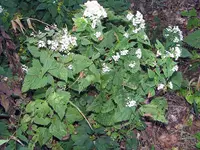
tufted hairgrass Care (Deschampsia cespitosa)

Also known as: Fescue-Leaved Hairgrass, Tussock Grass
tufted hairgrass

About tufted hairgrass

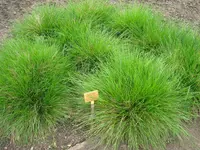
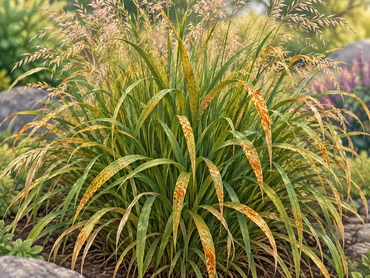
Tufted hairgrass, Deschampsia cespitosa, is a cool-season ornamental grass forming dense, upright clumps with fine, arching leaves. Airy flower panicles create a soft, hazy effect in summer.

This species is native to cool, moist habitats across North America, Europe, and parts of Asia, where it often grows in meadows, stream edges, and open woodlands. It adapts well to garden borders, naturalistic plantings, and meadow-style designs.

The plant is relatively low-maintenance if given consistent moisture, good light, and reasonably fertile soil. Understanding how to care for tufted hairgrass mainly involves providing enough moisture and avoiding very hot, dry conditions.

Main Plant Requirements

Care Difficulty

Moderate Care

Light Preference

Partial Sun

Water Requirements

Keep Soil Moist

Temperature Preference

Cold Hardy

Hardiness Zone

4–9

Soil Texture

Loamy, Silty, Organic-rich

Soil pH

Acidic (5.5–6.5), Slightly acidic (6.5–7.0)

Soil Drainage

Moist but well-drained

Fertilization

Minimal (feed rarely)

Get Personalized Care Plan

Scan your plant to receive care tips personalized for your specific plant

Available on iOS and Android

How to Care for the tufted hairgrass

This cool-season grass prefers bright, gentle light rather than intense all-day sun.

  • Provide 4–6 hours of sun daily, with morning sun and light afternoon shade ideal, especially in warmer climates.
  • Site tufted hairgrass where it receives partial shade or dappled light; full, harsh afternoon sun can cause leaf scorch and stress in dry conditions.
  • In hotter summers, increase shade from about 1–4 p.m.; in cooler northern areas, it can handle more open exposure without burning.

This species prefers consistently moist, but not waterlogged, soil.

  • Aim for soil that stays evenly damp to a depth of 5–8 cm, allowing only the top 1–2 cm to begin drying before the next deep watering.
  • Use soil or a planting site with good drainage; soggy conditions cause root rot, yellowing foliage, and weak, collapsing clumps.
  • During hot, dry weather, increase watering when leaves flop or curl slightly; in cool or rainy seasons, reduce added water to avoid saturation.

This grass is adapted to cool, temperate climates with marked seasonal change.

  • Best active growth occurs around 55–70°F (13–21°C), which supports dense foliage and stable clumps.
  • Deschampsia cespitosa tolerates cold down to about -20°F (-29°C) in the ground, with foliage browning back but roots surviving for spring regrowth.
  • In summer, it handles short periods up to about 85–90°F (29–32°C) if soil moisture stays consistent; extended hotter spells may cause dormancy and browning tips.

This grass handles a wide humidity range but benefits from moderately moist air.

  • Aim for 40–60% humidity, which suits both outdoor beds and most patios or balconies.
  • Tufted hairgrass tolerates brief dry air but prolonged very dry conditions can cause browning tips and slower growth.
  • If air is very dry, group containers together and use a mulch layer to reduce evaporation around the plant.

Deschampsia cespitosa prefers consistently moist, airy soil that does not stay waterlogged.

  • Use a loamy mix with moderate organic matter, such as 2 parts garden loam, 1 part compost, and 1 part sharp sand.
  • Ensure drainage is steady rather than fast; soil should stay evenly damp but not form puddles after watering or rain.
  • Aim for slightly acidic to neutral pH, roughly 5.5–7.0, which supports healthy root and foliage development.
  • Improve aeration and prevent compaction by incorporating coarse sand or fine grit, especially in heavier garden soils.

This species grows reliably in containers when moisture and stability are managed carefully.

  • Choose a broad, heavy container to anchor the plant’s tufted clumps and prevent tipping in wind.
  • Use a deep pot that allows fibrous roots to spread, which helps the plant cope better with drying between waterings.
  • Select a container mix that retains moisture yet drains freely, and empty saucers promptly so roots do not sit in standing water.

This grass needs only modest feeding, especially in reasonably fertile soil.

  • Apply a light dressing of compost or well-rotted manure in early spring to support new growth in tufted hairgrass.
  • Use a balanced slow-release fertilizer (around 10-10-10) in spring at half the label rate for ornamental grasses.
  • Avoid midsummer and late-season feeding to prevent weak, lush growth that flops or suffers in winter.
  • Do not fertilize during winter dormancy; excess nutrients at this time can encourage rot.

Pruning Deschampsia cespitosa focuses on removing old growth and maintaining an airy clump.

  • Cut back dry foliage and flower stalks in late winter or very early spring before new shoots emerge.
  • Remove dead, damaged, or badly lodged stems during the season with clean hand pruners or shears.
  • Thin out the densest sections to improve air flow, which reduces fungal issues and keeps the clump graceful.
  • Avoid cutting into fresh green growth midseason, as this can weaken the plant and reduce its ornamental value.

This grass is usually grown in the ground, with transplanting needed only every few years.

  • Plan to divide and transplant clumps every 3–5 years in early spring or early fall to refresh vigor.
  • Lift the clump when the center dies out, growth slows, or roots become dense and matted near the surface.
  • Gently tease or cut the root mass into smaller sections, keeping healthy roots and several shoots on each division.
  • Replant at the same soil depth, water thoroughly, and keep evenly moist for several weeks to limit transplant stress.

Division is the most reliable method for propagating this grass, with seed also used for larger plantings.

  • Divide established clumps in early spring or early fall when soil is workable and temperatures are mild.
  • Use a sharp spade or knife to split the crown into sections, each with strong roots and multiple shoots.
  • Replant divisions promptly in moist, well-drained soil and water consistently until new growth is established.
  • For seed, sow fresh seed on the surface of a sterile mix, keep lightly moist, and provide cool to moderate temperatures.

This species is generally cold hardy and needs minimal winter care in most temperate climates.

  • Tolerates frost well once established, especially in well-drained soil that prevents waterlogging.
  • Leave dry foliage and seed heads standing over winter to insulate the crown and provide structure.
  • In colder areas or exposed sites, apply a light mulch around the base after the ground cools but before deep freeze.
  • For container plants in very cold regions, move pots to a sheltered, unheated area to reduce freeze–thaw stress.

Care Tips

Clump Rejuvenation

Every 3–4 years, lift and divide older clumps in early spring, discarding dead centers and replanting only the vigorous outer sections to keep flowering strong and growth dense.


Airflow Around Foliage

When planting in mixed borders, leave at least 30–40 cm between clumps and neighboring plants to maintain airflow, which helps reduce foliar diseases in humid or wet climates.

Seed Head Management

If self-seeding is unwanted, cut back most flower stalks just as the seeds start to turn from green to tan, leaving only a few ornamental plumes for appearance and wildlife value.

Winter Structure Strategy

In colder regions, leave dry foliage and seed heads standing through winter to protect the crown and provide habitat, then cut back to 5–10 cm above soil level before new growth starts.

Moisture Zoning

When planning beds, place clumps in the slightly lower or moister parts of a border or rain garden so the roots benefit from consistent moisture without sitting in standing water, which is especially helpful when growing tufted hairgrass in larger plantings.

Common Pests and Diseases

Leaf rust

This disease causes yellow to orange-brown pustules on leaves, often starting on older foliage and spreading in humid conditions.

Solution

Remove and dispose of heavily infected leaves, avoid overhead watering, and improve air circulation around clumps; if rust recurs, apply a labeled fungicide containing myclobutanil or chlorothalonil according to Deschampsia cespitosa care instructions and local regulations.
Leaf spot

This disease produces small tan to brown spots that may merge into irregular patches, leading to premature leaf dieback in warm, wet weather.

Solution

Cut back and discard affected foliage, water at the base to keep leaves dry, thin dense plantings to increase airflow, and use a broad-spectrum ornamental grass fungicide if spotting is severe or persistent.

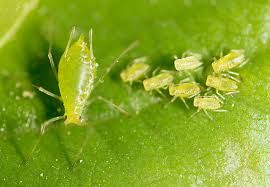
Aphids

These insects cluster on young shoots and flower stems, sucking sap and sometimes leaving sticky honeydew that can attract sooty mold.

Solution

Rinse colonies off with a firm stream of water, encourage natural predators like lady beetles, and use insecticidal soap or a light horticultural oil spray, ensuring thorough coverage of stems and leaf bases.

Grass mites

These pests feed on the leaves, causing a fine speckling or dull, silvery cast and sometimes mild leaf distortion, especially in hot, dry weather.

Solution

Increase humidity slightly around the plants, hose down foliage to dislodge mites, remove heavily damaged leaves, and use a miticide or labeled horticultural oil if populations remain high.

Crown rot

This disease leads to browning and collapse of the central clump, often where soil stays wet and drainage is poor.

Solution

Improve drainage, avoid overwatering and heavy mulching at the crown, promptly remove and dispose of affected plants or clumps, and replant only in well-drained soil raised slightly above surrounding grade to reduce future infections.

Interesting Facts

Globally wide distribution

Tufted hairgrass naturally occurs across much of the Northern Hemisphere, from North America and Europe to temperate parts of Asia, and also in some regions of the Southern Hemisphere, especially in cool, moist habitats.

Key tussock‑forming grass

This species forms dense, long‑lived tussocks that trap leaf litter and moisture, creating small habitat islands that influence soil structure, microclimate, and invertebrate communities in wetlands and damp meadows.

Tolerance of cold, wet soils

The grass is notably tolerant of cold, waterlogged, and nutrient‑poor soils, which allows it to dominate in boggy ground, stream margins, and high‑latitude or high‑altitude grasslands where many other grasses struggle.

Botan icon

Did you know?

In some upland and subarctic landscapes, long‑established clumps of tufted hairgrass can persist for many decades, acting as stable structural features that shape snow accumulation patterns and grazing behavior of large herbivores such as deer and sheep.

FAQs about tufted hairgrass

This grass forms tight clumps and spreads slowly by short rhizomes and self-seeding. It is not usually aggressive in gardens, though in moist, cool sites it can gently expand and fill gaps over several seasons.

Grow Healthy Plants with Botan Care

Keep your plants happy and healthy with plant identification, disease detection, and easy care guidance.

Botan plant care app — identify plants on mobile

Explore More Plants