creeping lilyturf Care (Liriope spicata)

Also known as: creeping liriope
creeping lilyturf

About creeping lilyturf

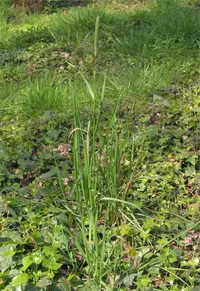
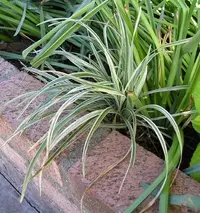
Creeping lilyturf, Liriope spicata, is a low, grassy perennial often used as a groundcover or edging plant in gardens and landscapes. It forms dense clumps connected by short runners that slowly spread to create a continuous mat of foliage.

Its narrow, arching leaves stay evergreen in mild climates, and it produces short spikes of small lavender to white flowers, followed by dark berries. The plant is native to East Asia but is widely grown in North America for its toughness and ability to handle a range of conditions.

It generally prefers partial shade, moderate moisture, and well-drained soil, which makes it relatively simple to care for creeping lilyturf.

Main Plant Requirements

Care Difficulty

Easy Care

Light Preference

Partial Shade

Water Requirements

Moderate Water

Temperature Preference

Cold Hardy

Hardiness Zone

4–10

Soil Texture

Sandy, Loamy, Clay

Soil pH

Acidic (5.5–6.5), Slightly acidic (6.5–7.0)

Soil Drainage

Moist but well-drained

Fertilization

Minimal (feed rarely)

Get Personalized Care Plan

Scan your plant to receive care tips personalized for your specific plant

Available on iOS and Android

How to Care for the creeping lilyturf

Liriope spicata grows best in bright, indirect to partial sun conditions in most gardens.

  • Provide 3–6 hours of sun daily, ideally with morning sun and afternoon shade, especially in hotter regions.
  • Tolerates full shade, but creeping lilyturf may grow thinner and flower less, so aim for dappled or filtered light under trees.
  • In hot summers, avoid intense afternoon sun that can scorch leaves; in cooler climates, a bit more direct sun improves flowering.

Liriope spicata prefers evenly moist but not saturated soil, especially during establishment.

  • Water when the top 3–5 cm of soil feel dry, giving a deep soak so moisture reaches the root zone, then allow excess to drain.
  • Use soil with good drainage; persistent puddling, yellowing, or limp leaves can indicate overwatering and risk of root rot.
  • During hot, dry spells, increase watering frequency; once established, reduce watering in cool or rainy seasons and watch for leaf tip browning as a sign of drought stress.

This species is hardy and adapts to a wide range of outdoor temperatures in temperate climates.

  • Active growth is strongest at 60–80°F (16–27°C), with good performance in typical spring and fall conditions.
  • Plants tolerate winter cold down to about -20°F (-29°C) in the ground, though foliage may burn and can be cut back in late winter.
  • In summer, Liriope spicata handles heat up to about 90–95°F (32–35°C) if soil moisture is maintained and roots are mulched to reduce temperature swings.

Humidity is not a critical factor for Liriope spicata, which adapts well to typical outdoor air conditions.

Liriope spicata prefers consistently moist, well-drained soil that does not stay waterlogged.

  • Use a loamy soil rich in organic matter, such as garden soil mixed with compost, to support dense root growth.
  • Aim for slightly acidic to neutral pH around 6.0–7.0, which supports nutrient availability and healthy foliage.
  • Improve drainage and aeration by blending in coarse sand or fine bark, especially for heavier clay-based sites.
  • Avoid compacted or poorly drained areas where water pools, as this encourages root rot and weakens creeping lilyturf clumps.

This species grows reliably in containers when given stable moisture and enough root space.

  • Choose a wide, shallow to medium-depth pot to accommodate its spreading rhizomes without forcing them into tight circles.
  • Select a heavier material such as ceramic if the container is exposed to wind, as dense foliage can catch gusts and tip lightweight pots.
  • Fill with a loose, well-drained mix and water thoroughly until runoff, then allow the top 2–3 cm to dry so roots receive both moisture and oxygen.

Liriope spicata benefits from modest, consistent feeding to support dense foliage and flowering.

  • Apply a balanced slow-release fertilizer (around 10-10-10) once in early spring as new growth starts.
  • Supplement with a light topdressing of compost in late spring to improve soil structure and nutrient availability.
  • Use granular or liquid feed at half the label strength to avoid salt buildup and overly lush, floppy growth.
  • Stop fertilizing in late summer so plants can harden off before winter dormancy.

Pruning Liriope spicata once a year keeps the clump tidy and encourages fresh, even growth.

  • Cut back old foliage in late winter or very early spring, just before new leaves emerge.
  • Remove dead, damaged, or diseased leaves and spent flower spikes using sharp hand pruners or shears.
  • Shear mature clumps to 5–7 cm above ground level to refresh foliage and maintain a neat edge.
  • Avoid cutting once new shoots are visible, as this can damage tips and reduce appearance.

This groundcover is more often transplanted in beds than repotted, but container plants can still need attention.

  • Transplant or divide every 3–5 years when clumps become crowded, growth slows, or roots circle the pot.
  • Choose early spring or early fall for moving plants so moderate conditions reduce transplant stress.
  • Lift clumps with a garden fork, gently shake off soil, and tease or cut into sections with healthy roots and shoots.
  • Replant divisions at the same depth, water thoroughly, and keep soil evenly moist for 2–3 weeks while roots re-establish.

Division is the standard method for Liriope spicata plant care and for expanding plantings.

  • Divide established clumps in early spring or early fall when temperatures are mild.
  • Lift the parent clump and split it by hand or with a clean knife into sections with several fans and roots.
  • Replant divisions into well-drained soil, spacing 20–30 cm apart for a continuous groundcover.
  • Water consistently and provide light shade during the first few weeks to support rapid root growth.

Liriope spicata is generally cold hardy and needs minimal winter care in most temperate gardens.

  • In colder regions, apply a 5–7 cm mulch layer over the root zone after the ground cools but before deep freezes.
  • Leave old foliage in very cold climates as a light insulation layer, then cut back in late winter.
  • For container-grown plants in zones colder than their rating, move pots to a sheltered, unheated area to reduce root freeze risk.

Care Tips

Control Spreading Edges

Install a shallow root barrier 20–25 cm deep along beds, paths, or lawn edges to keep rhizomes from invading unwanted areas and to make future clump lifting easier.

Rejuvenate With Mowing

In late winter or very early spring, before new shoots emerge, set a mower or string trimmer high and cut old foliage down to 5–7 cm to remove winter-damaged leaves and promote a clean, even flush of new growth.

Divide On A Schedule

Every 3–5 years, lift and divide crowded mats into smaller clumps with a sharp spade or knife, discarding weak centers and replanting only vigorous outer sections to maintain dense, healthy groundcover.

Use Mulch Strategically

Apply a 2–5 cm layer of fine bark or pine needle mulch between clumps to suppress weeds and stabilize soil moisture, but keep mulch slightly away from the crown to reduce crown rot risk when caring for creeping lilyturf.

Inspect For Fungal Issues

In humid or poorly drained sites, check foliage and crowns monthly for soft, dark, or rotting tissue and promptly remove affected sections, then improve drainage or reduce overhead watering to limit disease spread.

Common Pests and Diseases

Alopecurus leaf spot

This disease causes elongated, tan to brown leaf lesions that may merge and give foliage a scorched appearance, often starting on older leaves in dense plantings.

Solution

Remove and discard heavily spotted foliage, thin overcrowded clumps to improve air circulation, and avoid overhead watering; in severe, recurring cases, a labeled foliar fungicide for ornamental grasses can be used according to Liriope spicata care instructions.

Anthracnose

This disease produces irregular, dark brown to black lesions along leaf blades that can lead to blighting of entire leaves under warm, wet conditions.

Solution

Cut back and dispose of affected leaves, reduce leaf wetness by watering at soil level, and improve spacing; if necessary, apply a registered ornamental fungicide during extended wet periods to protect new growth.

Scale insects

These insects appear as small, immobile bumps on leaves and stems, causing yellowing and a general decline as they suck plant sap.

Solution

Prune out and discard heavily infested leaves, then wipe or gently scrub remaining scale with a cloth dipped in soapy water or horticultural oil; for persistent infestations, use a systemic insecticide labeled for ornamental groundcovers following all safety directions.

Slugs and snails

These pests chew irregular holes in the leaf blades, often leaving ragged edges and slime trails on or around the plants, especially in damp, shaded beds.

Solution

Hand-pick at night, reduce hiding places such as thick mulch layers and debris, and use iron phosphate slug baits placed around but not directly on the crowns; coarse mulch or copper barriers can further reduce damage.

Crown rot complex

Symptoms include yellowing, collapse, and dieback of entire clumps, with crowns and roots turning brown, soft, or dry and brittle, often in poorly drained or chronically wet sites.

Solution

Dig out and discard severely affected plants, improve drainage or raise the planting area, and replant only in well-drained soil; avoid overwatering and excessive mulch over the crowns, and disinfect tools after working in diseased areas.

Interesting Facts

Aggressive stolon spread

This species spreads by slender, above- and below-ground stolons that root at the nodes, allowing it to rapidly form dense, interconnected mats that can outcompete many low-growing plants.

Shade-tolerant monocot

Although it is a monocot related to grasses and lilies, it thrives in comparatively low-light understory conditions, which makes it unusual among lawn-like groundcovers that usually prefer full sun.

Fall berry display

After midsummer flowering, the plant develops small, rounded fruits that ripen to dark bluish-black berries in fall, providing a long-lasting ornamental display close to the ground.

Botan icon

Did you know?

In several regions of the eastern United States, this species has shown such strong spreading ability outside cultivation that some extension services recommend careful containment or avoidance near natural woodland edges, due to its potential to displace native ground flora.

FAQs about creeping lilyturf

Yellowing foliage usually comes from waterlogged soil, compacted roots, nutrient-poor ground, or natural aging of older blades. Check drainage, avoid standing water, top-dress with compost, and trim oldest leaves to encourage fresh growth.

Grow Healthy Plants with Botan Care

Keep your plants happy and healthy with plant identification, disease detection, and easy care guidance.

Botan plant care app — identify plants on mobile

Explore More Plants