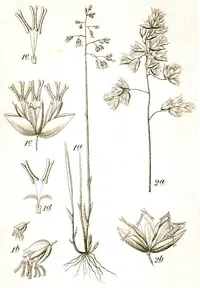
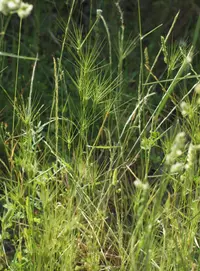
mamoncillo Care (Aeluropus lagopoides)

Also known as: rabbit foot aeluropus
mamoncillo

About mamoncillo

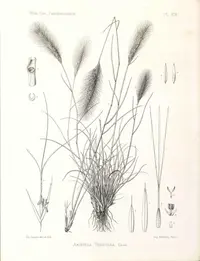
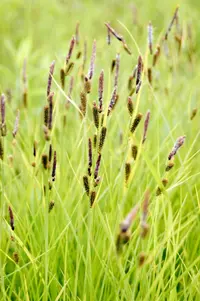
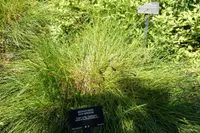
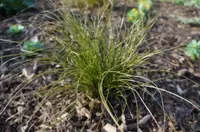
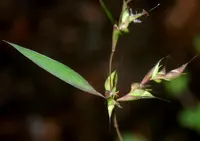
Mamoncillo (Aeluropus lagopoides) is a tough, low-growing grass-like plant adapted to very salty and dry environments. It often forms dense mats or patches with narrow, gray-green leaves.

This species is native to arid and coastal regions across parts of Africa, the Middle East, and South Asia, where soils are saline and conditions are harsh. Its strong salt and drought tolerance make it valuable for erosion control and land restoration, but also mean it prefers open, sunny, well-drained sites.

Because it is adapted to extremes, it can be slow or difficult to establish in ordinary gardens, especially in cool or wet climates. Those who want to learn how to care for mamoncillo should first consider if their climate and soil can mimic its natural habitat.

Main Plant Requirements

Care Difficulty

Moderate Care

Light Preference

Full Sun

Water Requirements

Regular Water

Temperature Preference

Warm Climate

Hardiness Zone

8–11

Soil Texture

Sandy, Loamy, Clay

Soil pH

Neutral (7.0), Slightly alkaline (7.0–7.5)

Soil Drainage

Waterlogged tolerant

Fertilization

Minimal (feed rarely)

Get Personalized Care Plan

Scan your plant to receive care tips personalized for your specific plant

Available on iOS and Android

How to Care for the mamoncillo

Aeluropus lagopoides is a salt-tolerant grass that thrives in strong sun and open sites.

  • Provide 6–10 hours of direct sun daily; full sun supports dense, low growth and strong rooting.
  • The grass tolerates light partial shade, especially in hot inland zones, but growth becomes looser and less compact with under 4–5 hours of sun.
  • In very hot, dry climates, some late-afternoon shade can limit leaf scorching; unlike mamoncillo, this species is adapted to intense coastal light and reflected heat.

This halophytic grass is adapted to dry, saline soils and needs careful, sparse watering in cultivation.

  • Allow soil to dry at least in the top 5–8 cm before watering again; the surface should look dry and feel gritty, not soft or muddy.
  • Increase watering slightly during active warm-season growth if blades curl or lose turgor, but avoid pooling water around the roots.
  • Use sharply draining, sandy or sandy-loam soil; yellowing, limp foliage and a sour smell signal overwatering and poor aeration.

This species is heat- and salt-tolerant but still has clear limits for cold and extreme heat.

  • Aim for 77–95°F (25–35°C) during peak growth; it remains functional up to about 104°F (40°C) if soil moisture is not extremely low.
  • The grass tolerates brief drops to about 32°F (0°C) but sustained freezing damages foliage and can kill shallow roots.
  • In cooler seasons, growth slows below 59°F (15°C); avoid planting in frost pockets and protect new stands from late frosts.

This salt-tolerant grass handles a wide humidity range and rarely needs special adjustments.

  • Performs well at 30–70% humidity, matching most outdoor and coastal environments.
  • Tolerates very dry air with minimal stress if soil moisture is maintained and roots are not waterlogged.
  • Humidity stress appears as leaf tip browning and reduced growth; improve conditions by mulching soil, grouping pots, or using a shallow pebble tray, similar to caring for mamoncillo.

Aeluropus lagopoides is adapted to sandy, saline soils and needs fast-draining, airy substrate in cultivation.

  • Use a coarse sandy mix, such as 60–70% sharp sand or grit blended with 30–40% loamy topsoil or composted material.
  • Ensure rapid drainage; raised beds or pots with large drainage openings prevent standing water around the roots.
  • A slightly alkaline pH (7.5–8.5) reflects its natural habitats; add crushed limestone or dolomite if soil is strongly acidic.
  • Improve aeration by incorporating coarse sand or fine gravel and avoid heavy clay or peat-heavy mixes that stay wet for long periods.

This species can be grown in containers when drainage and stability are carefully managed.

  • Choose a wide, shallow container to accommodate its spreading, mat-forming roots without creating a deep water-holding column.
  • Select rigid, heavy materials like concrete or thick terracotta in windy sites to prevent the container from shifting as clumps expand.
  • Fill the pot with a very gritty, fast-draining medium and elevate it slightly on feet or bricks so drainage holes never sit in collected runoff.

Aeluropus lagopoides is adapted to nutrient-poor, saline soils and usually needs minimal fertilization in cultivation, unlike fruit trees such as mamoncillo.

  • If growth is weak in poor soil, apply a light dressing of compost or a low-dose, balanced NPK fertilizer at the start of spring.
  • Use a diluted liquid or slow-release product at 25–50% of label strength to avoid forcing soft, weak growth.
  • Feed only during active warm-season growth, no more than 1–2 times per year in most landscapes.
  • Do not fertilize during winter or dormancy, especially in cool climates, to prevent stressed, etiolated shoots.

Aeluropus lagopoides needs only light pruning to maintain a clean, functional groundcover.

  • Best timing is late winter to early spring before strong new growth begins.
  • Remove dead, diseased, or mechanically damaged shoots with clean hand shears or a sharp knife.
  • Thin out overly dense, matted patches to improve air movement and reduce fungal problems.
  • Light shaping along edges can control spread without compromising the plant’s erosion-control role.

This salt-tolerant grass is more often transplanted in the landscape than kept long term in containers.

  • Plan transplanting for cooler months of active growth, such as early spring or early autumn, to reduce stress.
  • Divide and move clumps when you notice bare centers, poor spread, or when plants outgrow their erosion-control zone.
  • Lift sections with a spade, keeping roots and attached soil intact, then replant at the same depth in well-drained, preferably sandy soil.
  • Water thoroughly after transplanting and maintain consistent, moderate moisture for 1–2 weeks until roots re-establish.

Aeluropus lagopoides is commonly propagated for groundcover use by division and sometimes by seed.

  • Divide mature clumps in early spring or early autumn, separating rooted sections with a spade or knife.
  • Replant divisions promptly in salty or sandy, well-drained soil, firming them in and watering to settle soil around roots.
  • For seed propagation, sow fresh seed on the surface of a gritty mix and keep lightly moist in warm conditions.
  • Provide full sun and avoid waterlogging, which reduces rooting success and encourages rot.

This halophytic grass is generally cold tolerant in mild to warm climates and often requires little dedicated winter care.

  • In regions with light frost, plants usually overwinter in place without additional protection.
  • Apply a thin mulch layer in late autumn only where soil freezing is prolonged, keeping crowns just exposed.
  • Container-grown clumps in colder zones can be moved to a frost-free, bright area and kept slightly drier.
  • Avoid saturated soils in winter, as combined cold and waterlogging increase the risk of root damage.

Care Tips

Salinity Management

Periodically test soil electrical conductivity with a simple EC meter and, if salinity becomes excessive even for this halophyte, alternate irrigation between saline and low-salinity water to prevent root-zone salt crusting.

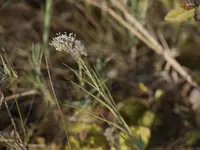
Controlled Grazing Use

In rangeland settings, restrict grazing duration and rest the area for several weeks after use so the grass can rebuild leaf area and root reserves, which maintains long-term ground cover and erosion control.

Erosion Control Layout

On dunes, bunds, or saline embankments, plant in staggered rows along contour lines to slow runoff and trap sediment, improving both plant establishment and soil stability over time.

Salt Spray Buffering

In coastal projects, combine this grass with slightly taller, salt-tolerant shrubs on the windward side to reduce abrasive salt spray and wind stress on new transplants during their first season.

Targeted Vegetative Spread

When a stable mat is needed, lightly bury pegged-down stolons or divisions at 30–40 cm intervals in prepared saline soil to encourage rapid lateral spread and denser ground cover than from seed alone.

Common Pests and Diseases

Salt marsh grasshoppers

These insects feed on leaves and stems, creating irregular notches and shredded patches, especially in highly saline coastal or inland salt flat sites. Damage is usually patchy but can be severe in young or stressed plants.

Solution

Reduce dense vegetation and standing debris where grasshoppers hide, and encourage natural predators such as birds by maintaining habitat diversity around plantings. In small areas, use floating row covers or fine netting during peak activity and, if needed, apply a targeted bait or contact insecticide registered for grasshoppers around, not directly into, sensitive saline wetlands.

Stem-boring moth larvae

This pest tunnels inside culms and rhizome bases, causing yellowing, weak shoots, and dead patches in dense stands. Symptoms include hollow stems and frass (sawdust-like droppings) at entry points near nodes.

Solution

Cut and remove visibly infested stems and basal clumps, then destroy them off-site to break the life cycle. Maintain moderate stand density and avoid heavy thatch buildup so that birds and other natural enemies can access larvae, and only in severe, monitored infestations consider a targeted systemic insecticide applied according to label directions for grasses.

Salt-tolerant leaf spot

This disease causes small to medium brown or gray lesions on leaves that may coalesce under prolonged humidity or shallow standing water. Symptoms include premature leaf senescence on lower foliage in dense or poorly drained areas.

Solution

Improve airflow by controlling overcrowding and mowing or trimming at an appropriate height so leaf surfaces dry quickly after irrigation or flooding. Remove and discard heavily spotted leaf material, avoid overhead watering where possible, and if the problem recurs in managed plantings, use a grass-appropriate fungicide labeled for leaf spots, applied during early symptom development.

Smut fungus

This disease produces dark, powdery spore masses within or replacing parts of the inflorescences and sometimes affects nearby leaf tissue. Symptoms include distorted flower structures and localized dieback of affected tillers.

Solution

Cut and remove infected inflorescences and nearby culms before spores disperse, and dispose of them away from the site. Reduce stress by maintaining appropriate salinity and avoiding excessive nitrogen, and in regularly managed stands rotate or renew plant material from healthy, disease-free stock if infections become persistent.

Interesting Facts

Extreme salt tolerance

This grass can complete its entire life cycle in soils so saline that most crop plants cannot germinate, making it a model species in studies of salt-tolerance mechanisms in halophytes, or salt-loving plants.

Sand-binding pioneer

It naturally colonizes coastal mudflats, saline deserts, and degraded salt-affected lands, where its creeping roots and dense clumps help stabilize soil and reduce wind and water erosion.

Survives periodic flooding

Populations in coastal and estuarine zones tolerate both high soil salinity and intermittent seawater inundation, allowing the species to persist in habitats where freshwater and saltwater influences alternate.

Botan icon

Did you know?

This species contributes to grazing systems in harsh arid and semi-arid regions, providing forage for livestock under conditions of high soil salinity where many other grasses fail to grow at all.

FAQs about mamoncillo

The fruits are edible and commonly eaten fresh. The pulp is sweet to tangy and usually sucked from the seed. As with many tropical fruits, people with sensitive stomachs should start with small amounts to check tolerance.

Grow Healthy Plants with Botan Care

Keep your plants happy and healthy with plant identification, disease detection, and easy care guidance.

Botan plant care app — identify plants on mobile

Explore More Plants