Shear For Renewal
Shear the clump back by about one-third in late winter before new growth starts to remove tired foliage and keep the mound dense and fresh-looking for the season.

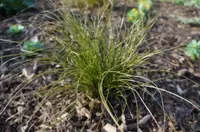
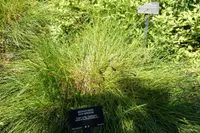
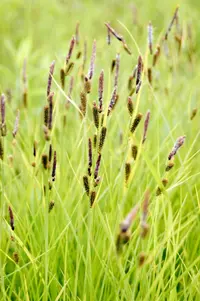
Orange sedge (Carex testacea) is a cool-season ornamental grass-like plant valued for its fine, arching foliage. It forms low, tufted clumps that develop warm orange to copper tones, especially in bright light.
This species is native to New Zealand, where it grows in open, often coastal habitats. In gardens and containers, it is typically used as edging, groundcover, or accent planting.
Carex testacea stays relatively compact and maintains its color year-round in mild climates, which makes it straightforward to integrate into mixed plantings. It generally prefers sun to light shade, consistent moisture, and well-drained soil, so care for Orange sedge focuses mainly on providing stable light and moisture conditions.

Care Difficulty
Easy Care

Light Preference
Full Sun

Water Requirements
Moderate Water

Temperature Preference
Cool Climate

Hardiness Zone
7–10

Soil Texture
Sandy, Loamy, Organic-rich

Soil pH
Acidic (5.5–6.5), Slightly acidic (6.5–7.0)

Soil Drainage
Moist but well-drained

Fertilization
Minimal (feed rarely)
Scan your plant to receive care tips personalized for your specific plant
Available on iOS and Android
Carex testacea prefers bright outdoor conditions with several hours of direct or filtered sun each day.
Carex testacea prefers evenly moist, well-drained soil rather than extremes of drought or saturation.
This cool-season sedge grows best in mild climates with moderate temperatures and good seasonal resilience.
This sedge handles a wide humidity range but benefits from moderate ambient moisture.
Carex testacea prefers a loose, moist, well-drained mineral-rich substrate.
This sedge grows reliably in containers outdoors when given stable moisture and drainage.
Carex testacea grows well in modest soils and benefits from light, targeted feeding rather than heavy fertilization.
Carex testacea responds well to light, seasonal pruning that refreshes its arching form.
This sedge is more often transplanted in the garden than repotted, but container plants may need fresh space over time.
Carex testacea is most reliably propagated by division, with seed used mainly for larger-scale growing.
This sedge is generally cold hardy and needs only minimal winter care in most temperate gardens.

Plant Health Check
Not sure what's wrong with your plant? Check your plant's health inside the app.
The foliage develops its distinctive copper to orange tones in high light and cool conditions, while the same plant stays more green in shade or warmer climates.
This sedge is native to coastal and lowland sites in New Zealand, where it naturally grows in open, often windy habitats with free-draining, sandy or gravelly soils.
The species is adapted to exposed coastal conditions and shows good tolerance to wind and airborne salt, which contributes to its reliability in seaside plantings.
Brown tips or blades usually come from irregular watering, fertilizer salt buildup, or hot, dry wind. Trim damaged tips with clean scissors, flush the pot occasionally, and shield the plant from harsh exposure to reduce further browning.
Keep your plants happy and healthy with plant identification, disease detection, and easy care guidance.