Shallow Drill Sowing
Sow seeds in narrow, shallow drills (about 2–3 cm deep) with firm seed-to-soil contact to encourage even emergence and reduce weak, spindly seedlings when growing jointed goatgrass.


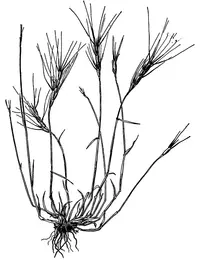
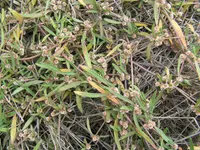
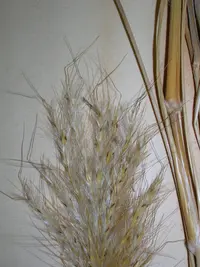
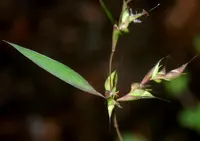
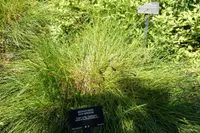
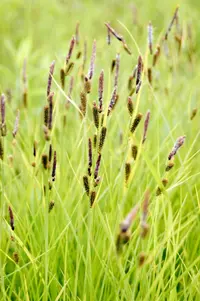
Jointed goatgrass, Aegilops cylindrica, is an annual grass closely related to wheat. It forms slender, upright clumps with distinctive segmented seed heads that break apart at the joints. The stems are usually wiry and the foliage narrow, giving it a sparse, grassy look.
This species is native to Eurasia but is now common in many grain-growing regions of North America, especially disturbed fields and roadsides. It spreads readily through seed and can become a persistent weed in cereal crops.
Because it thrives in poor, dry soils and competes strongly with crops, it is considered easy to grow but often undesirable. Anyone who wants to care for jointed goatgrass should understand its vigorous seeding and potential to spread quickly.

Care Difficulty
Easy Care

Light Preference
Full Sun

Water Requirements
Low Water

Temperature Preference
Cold Hardy

Hardiness Zone
4–9

Soil Texture
Sandy, Loamy, Clay

Soil pH
Neutral (7.0), Slightly alkaline (7.0–7.5)

Soil Drainage
Well-drained

Fertilization
Minimal (feed rarely)
Scan your plant to receive care tips personalized for your specific plant
Available on iOS and Android
This hardy grass species prefers open, sunny sites similar to dry grain fields.
This species is adapted to dry, open habitats and needs only modest soil moisture.
This cool-season annual grass grows best in temperate climates with mild to moderately warm conditions.
Humidity is not a major factor for Aegilops cylindrica, which thrives in dry, open sites.
Aegilops cylindrica prefers dry, mineral soils with fast drainage and relatively low fertility.
This species can be grown in containers mainly for study, seed increase, or controlled observation rather than ornamental use.
This wild grass typically needs no fertilizer in natural or low-input plantings, as jointed goatgrass is adapted to nutrient-poor soils.
Aegilops cylindrica does not require structured pruning, but light cleanup can support stand health in managed plantings.
This grass is usually grown in the ground, so management focuses on field transplanting rather than container repotting.
Propagation of Aegilops cylindrica is almost always done by seed rather than vegetative methods.
This cool-season grass is cold hardy in most temperate regions and generally needs no special winter care.

Plant Health Check
Not sure what's wrong with your plant? Check your plant's health inside the app.
This wild grass can cross with cultivated bread wheat and durum wheat, creating hybrids that complicate breeding programs and spread herbicide resistance genes across fields.
It behaves as a winter annual in many temperate grain-growing regions, germinating in fall, overwintering as seedlings, and competing strongly with winter wheat for light, water, and nutrients.
Its seed heads break apart into cylindrical, jointed segments at maturity, and each segment can contain multiple dormant seeds that promote long-term persistence in soil seed banks.

In parts of the western United States, this species is classified as a noxious weed in some jurisdictions because its seeds and spike segments can contaminate harvested wheat grain, lowering market quality and making cleaning and processing significantly more difficult.
This species behaves as a winter annual. Seeds germinate in fall, plants overwinter as seedlings, then flower and set seed in late spring to early summer, dying back completely after seed production each year.
Keep your plants happy and healthy with plant identification, disease detection, and easy care guidance.