Nahui Care (Alternanthera nahui)

Nahui

About Nahui

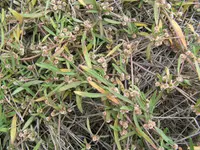
Alternanthera nahui, often called Nahui, is a low-growing ornamental plant valued for its compact habit and colorful foliage. It typically forms dense mats or small mounds, making it suitable for borders, groundcover, and container plantings.

This species is native to parts of tropical and subtropical Latin America, where it thrives in warm, humid conditions. Its fast growth and adaptability can make it relatively easy to manage in suitable climates, though it dislikes cold and frost.

In cultivation, Nahui usually prefers bright light, regular moisture, and well-drained soil. Understanding these basic needs is key to successful how to care for Nahui in home or garden settings.

Main Plant Requirements

Care Difficulty

Moderate Care

Light Preference

Full Sun

Water Requirements

Regular Water

Temperature Preference

Tropical / Frost Sensitive

Hardiness Zone

10–11

Soil Texture

Loamy, Sandy, Organic-rich

Soil pH

Acidic (5.5–6.5), Slightly acidic (6.5–7.0)

Soil Drainage

Moist but well-drained

Fertilization

Moderate (every 2–4 weeks)

Get Personalized Care Plan

Scan your plant to receive care tips personalized for your specific plant

Available on iOS and Android

How to Care for the Nahui

This sun-loving ornamental forms best color and dense growth with consistent bright light exposure.

  • Provide 4–6 hours of direct morning sun plus bright light the rest of the day; in hot climates, give Nahui light afternoon shade to prevent leaf scorch.
  • Tolerates light or dappled shade, but foliage may turn greener and stems stretch if total sun drops below about 3–4 hours daily.
  • In summer, watch for crisp, bleached patches from intense midday sun; in winter, avoid deep shade from buildings or trees that cut light too much.

This plant prefers evenly moist, well-drained soil and reacts quickly to both drought and excess water.

  • Outdoors in the ground, water when the top 2–3 cm of soil feel dry, aiming for moist but not soggy soil around the root zone.
  • Use soil rich in organic matter with good drainage; standing water or heavy clay promotes root rot, yellowing leaves, and limp, collapsing stems.
  • In hot, dry weather, check moisture every 1–2 days; in cooler seasons, extend intervals and watch for wilting, crispy leaves, or dull color as signs of underwatering.

This warm-season plant grows best in consistently mild to hot conditions without frost exposure.

  • Ideal growth occurs at 70–90°F (21–32°C); growth slows noticeably below about 65°F (18°C).
  • Treat it as frost-tender; damage begins around 32°F (0°C), and plants are usually killed by a hard freeze near 28°F (-2°C).
  • Handles short heat spikes up to 95–100°F (35–38°C) if soil moisture is maintained; in cooler regions, plant after the last spring frost and expect dieback with the first autumn frosts.

This species prefers moderately humid air but usually adapts to typical indoor conditions.

  • Aim for 40–60% humidity to keep foliage dense and color vivid in Nahui.
  • Expect some leaf edge browning and slower growth if air stays very dry below 30%.
  • Increase humidity by grouping plants, placing the pot on a pebble tray with water, or running a nearby humidifier.

Alternanthera nahui grows best in loose, moist, sharply draining substrate that still holds some organic matter.

  • Use a mix of 50–60% peat or coco coir with 20–30% compost and 20–30% perlite or coarse sand for structure and aeration.
  • Aim for slightly acidic to neutral pH around 6.0–7.0 to support nutrient uptake and balanced growth.
  • Ensure water drains freely from the container within a few seconds; avoid heavy clay-based mixes that stay wet and compact.
  • Improve aeration by adding extra perlite or fine bark if the mix feels dense or stays soggy longer than 2–3 days after watering.

This compact species is well suited to container growing outdoors or in bright indoor settings.

  • Choose a wide, shallow pot to give lateral roots room and support its mat-forming, spreading habit.
  • Select a stable container material, such as ceramic or terracotta, to keep low, spreading stems from tipping in wind or on balconies.
  • Ensure drainage holes release water quickly, then empty collected runoff within 10–15 minutes to prevent root zone saturation.

This compact foliage plant responds well to moderate feeding during the warm growing months.

  • Use a balanced liquid fertilizer (such as 10-10-10) at 1/2 strength every 3–4 weeks in spring and summer.
  • Alternatively, mix a small amount of slow-release granular fertilizer into the topsoil at the start of the season.
  • Avoid heavy feeding in fall and winter; stop or reduce to 1/4 strength if growth continues indoors.
  • Fresh compost or worm castings can be lightly worked into the soil once per season for gentle nutrition.

Pruning helps Alternanthera nahui stay dense, colorful, and within bounds.

  • Carry out most shaping in late spring and summer when growth is active.
  • Pinch or trim soft shoot tips with clean scissors to encourage branching and a low, bushy habit.
  • Remove dead, damaged, or crowded stems at the base to improve air movement and light penetration.
  • Shear lightly if used as edging, but avoid cutting back into bare, woody sections.

This low-growing plant adapts well to both containers and garden beds when moved at the right time.

  • Check for roots circling the pot, slow growth, or quick drying soil as signs it needs a larger container.
  • Plan repotting or outdoor transplanting for spring, after frost risk has passed and growth is resuming.
  • Shift up 1 pot size using a well-drained mix, handling the root ball gently and loosening only tight circling roots.
  • Water thoroughly after moving, then keep soil slightly moist and shaded for a few days to limit transplant shock.

New plants are most commonly produced from soft stem cuttings taken during warm months.

  • Take 7–10 cm non-flowering cuttings in late spring or summer, trimming just below a node.
  • Strip lower leaves and place stems in moist, free-draining mix or clean water, keeping 70–80°F temperatures.
  • Provide bright, indirect light and high humidity until roots form, usually within 1–3 weeks.
  • Once roots are 2–3 cm long, pot each cutting individually and acclimate gradually to brighter light.

In cool climates, this tender perennial is usually treated as an annual unless given winter protection.

  • Alternanthera nahui is frost-sensitive and typically damaged below about 32°F.
  • In the ground, add a light mulch layer around the base in fall to buffer temperature swings in mild-winter areas.
  • For containers, move plants indoors to bright, cool conditions before first frost and reduce watering.
  • Expect weaker winter growth indoors; focus on survival rather than appearance until spring.

Care Tips

Pinch For Bushiness

Regularly pinch back soft shoot tips with clean fingers or scissors to keep plants dense and low, encouraging more colorful foliage rather than tall, straggly stems when growing Nahui.

Staggered Rejuvenation

Every 4–6 weeks, cut back one-third of the oldest stems to 5–8 cm above the soil to maintain continuous fresh growth without leaving bare patches.

Edging Containment

In garden beds, install a low (5–10 cm) physical border or plant in narrow strips along paths to prevent stems from sprawling into lawns or neighboring plantings where they are easily damaged by foot traffic or mowing.

Heat-Stress Management

During extreme heat or dry, windy spells, provide temporary shade cloth or move containers to a bright but sheltered location to prevent leaf scorch and color fade.

Propagation Rotation

Take tip cuttings from the healthiest, most colorful shoots each month and root them in clean water or sterile mix so older, tired plants can be replaced with vigorous young stock on a rolling basis.

Common Pests and Diseases

Spider mites

This pest thrives on Alternanthera foliage in hot, dry conditions and causes fine stippling, dulling, and eventual bronzing of the leaves. Symptoms include delicate webbing between stems and leaves and slowed growth.

Solution

Increase humidity around the plant, regularly hose or shower the foliage to dislodge mites, and isolate heavily infested plants. For ongoing issues, use repeated applications of insecticidal soap or a neem oil spray, ensuring thorough coverage of leaf undersides as part of broader Alternanthera nahui care instructions.

Caterpillars

These insects chew irregular holes in the thin leaves and can rapidly defoliate young plants in garden beds. Symptoms include missing leaf edges, frass (droppings), and ragged growth tips.

Solution

Hand-pick visible caterpillars in small plantings and dispose of them away from the garden. For heavier infestations, use targeted biological products containing Bacillus thuringiensis (Bt) in the evening, following label directions and reapplying after rain as needed.

Southern blight

This disease, caused by the fungus Sclerotium rolfsii, attacks stems at the soil line, leading to sudden wilting and collapse of entire shoots. Symptoms include brown, water-soaked stem lesions near the soil and white, fan-like fungal growth with small tan sclerotia (seed-like structures).

Solution

Promptly remove and discard infected plants along with surrounding soil and mulch, and avoid replanting susceptible species in the same spot for several seasons. Improve drainage, avoid overhead watering, and maintain clean, dry mulch around the base to limit spread in landscape plantings of Alternanthera nahui.

Leaf spot

This disease produces small, dark, water-soaked or tan spots on the colorful foliage, which may merge into larger blighted areas and cause premature leaf drop. Symptoms include more severe spotting in warm, humid weather or where foliage stays wet for long periods.

Solution

Remove and dispose of heavily spotted leaves and avoid wetting the foliage when watering. Improve spacing and airflow, and if the problem persists, apply a labeled copper or chlorothalonil-based fungicide as a preventive spray during humid periods, following label directions carefully.

Aphids

These insects cluster on tender shoots and leaf undersides, sucking sap and causing curling, distortion, and sticky honeydew that can attract sooty mold. This pest is often introduced on nearby ornamentals and quickly migrates onto Alternanthera plantings.

Solution

Rinse colonies off with a strong but controlled stream of water and prune heavily infested tips if practical. For continued control, use insecticidal soap or horticultural oil at 7–10 day intervals, treating all soft new growth and undersides of leaves until populations decline.

Interesting Facts

New Zealand river specialist

This species is native to New Zealand and is typically found along lowland rivers and streams, where it colonizes open, periodically disturbed river gravels and sandy margins.

Mat-forming growth habit

It forms low, spreading mats rather than tall upright stems, allowing it to stabilize loose substrates along riverbanks and compete effectively in open, sun-exposed habitats.

Recent taxonomic recognition

Previously lumped within a broader Alternanthera complex, it was only relatively recently described and recognized as a distinct species based on detailed morphological study of New Zealand riverine populations.

FAQs about Nahui

This species forms a low, spreading mat but is usually not aggressively invasive in typical home gardens. In warm climates it can edge outward steadily, so regular edging or light trimming keeps growth within defined borders.

Grow Healthy Plants with Botan Care

Keep your plants happy and healthy with plant identification, disease detection, and easy care guidance.

Botan plant care app — identify plants on mobile

Explore More Plants