Early staking support
Install sturdy stakes or a low wire frame when plants are still young to prevent wind damage and root wobble once the tall, heavy stems reach full height.

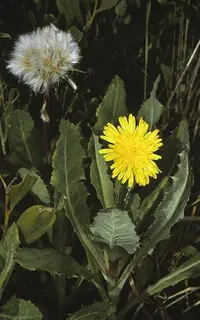
Actites, commonly known as coastal sow thistle and often listed as Sonchus megalocarpus, is a tough perennial herb native to coastal areas of southern Australia. It typically grows as a clumping plant with upright, branched stems and thick, leathery, often spiny-edged leaves.
The plant produces yellow, dandelion-like flower heads that attract pollinators, followed by wind-dispersed seeds. Its natural habitat on dunes and rocky shores makes it tolerant of wind, salt spray, and poor soils.
These traits usually make it easy to establish in mild coastal climates, but it can spread quickly in suitable conditions. Understanding how to care for Actites starts with providing plenty of sun, well-drained soil, and moderate moisture without prolonged waterlogging.

Care Difficulty
Moderate Care

Light Preference
Full Sun

Water Requirements
Moderate Water

Temperature Preference
Warm Climate

Hardiness Zone
10–11

Soil Texture
Sandy, Loamy, Organic-rich

Soil pH
Acidic (5.5–6.5), Slightly acidic (6.5–7.0)

Soil Drainage
Well-drained

Fertilization
Minimal (feed rarely)
Scan your plant to receive care tips personalized for your specific plant
Available on iOS and Android
Sonchus megalocarpus prefers bright, open conditions similar to coastal grasslands.
Water Sonchus megalocarpus to keep the soil lightly moist but never saturated.
This coastal perennial grows best in mild, frost-free conditions with moderate seasonal variation.
This species handles typical outdoor humidity but benefits from slightly moist air in hot, dry regions.
This plant prefers well-drained, moderately fertile, gritty to loamy soil that never stays waterlogged.
This species can be grown in containers if the pot is stable and allows rapid drainage.
Sonchus megalocarpus benefits from modest feeding in poor soils but often grows acceptably in reasonably fertile ground without extra inputs.
Pruning Sonchus megalocarpus is mainly done to keep plants tidy and encourage strong, healthy shoots.
This species is usually grown in the ground, so focus on careful transplanting rather than frequent container repotting.
Sonchus megalocarpus is most often propagated from seed, with some potential for division in established clumps.
This species prefers mild climates and benefits from some winter protection in colder regions.

Plant Health Check
Not sure what's wrong with your plant? Check your plant's health inside the app.
This giant sowthistle is endemic to the Juan Fernández Archipelago off Chile and is listed as Critically Endangered, with its remaining natural populations restricted to very small areas on the islands.
The species name megalocarpus means large-fruited and refers to its unusually big achenes (dry fruits) compared with most other sowthistles, a trait that helps distinguish it from related species.
It is an example of island gigantism in the daisy family, evolving a much larger, more robust growth form than its mainland relatives that are typically small, short-lived herbs.

This species is part of the unique flora that helped the Juan Fernández Archipelago gain UNESCO World Heritage status, as the islands host one of the world’s highest rates of plant endemism relative to their small land area.
This coastal daisy forms clumps and can self-seed, but it is not usually aggressive in most gardens. In loose, sandy soils it may wander slightly, so thinning unwanted seedlings keeps it in check.
Keep your plants happy and healthy with plant identification, disease detection, and easy care guidance.