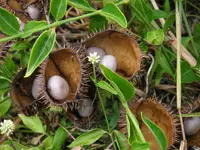
Lesser Joyweed Care (Alternanthera denticulata)

Lesser Joyweed

About Lesser Joyweed

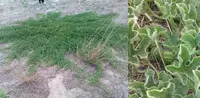
Lesser joyweed (Alternanthera denticulata) is a low, spreading herb often found in damp habitats such as creek banks, wetlands, and moist grasslands. It forms dense mats of small, green leaves along creeping stems.

In the wild, it occurs widely in Australia and nearby regions, sometimes behaving as a minor weed in disturbed, wet areas. Its fast growth and trailing habit make it useful as a groundcover in suitable climates.

The plant prefers consistently moist soil, good light, and mild temperatures, but it tolerates some fluctuation and light foot traffic. These traits make it relatively easy to grow once established, provided moisture needs are met and you understand how to care for Lesser Joyweed.

Main Plant Requirements

Care Difficulty

Moderate Care

Light Preference

Partial Sun

Water Requirements

Keep Soil Moist

Temperature Preference

Tropical / Frost Sensitive

Hardiness Zone

9–11

Soil Texture

Loamy, Silty, Organic-rich

Soil pH

Acidic (5.5–6.5), Slightly acidic (6.5–7.0)

Soil Drainage

Waterlogged tolerant

Fertilization

Minimal (feed rarely)

Get Personalized Care Plan

Scan your plant to receive care tips personalized for your specific plant

Available on iOS and Android

How to Care for the Lesser Joyweed

Alternanthera denticulata needs bright light to keep its foliage dense and colorful.

  • Provide 4–6 hours of direct morning sun with light shade or filtered light in the hot afternoon, especially in warm climates.
  • Tolerates light to partial shade, but stems may stretch and leaf color fades if it receives less than 3–4 hours of sun.
  • In summer, protect Lesser Joyweed from harsh afternoon sun to reduce scorch; in cooler months, choose a more open, sunny position.

This species prefers consistently moist conditions but not stagnant, waterlogged soil.

  • Outdoors, check soil often and water when the top 2–3 cm feel just barely dry, aiming for evenly moist soil around the roots.
  • Use soil with good drainage; standing water or a sour smell indicates overwatering, while limp, folding leaves signal that the plant is too dry.
  • In cooler seasons reduce frequency slightly as growth slows, but do not allow the root zone of Alternanthera denticulata to dry out completely.

This plant grows best in warm, frost-free conditions typical of mild to tropical climates.

  • Optimal growth occurs around 70–85°F (21–29°C), where stems stay compact and foliage color develops well.
  • It tolerates brief dips to about 40°F (4°C) but suffers damage near freezing and is usually killed by hard frost.
  • In hot spells above 90°F (32°C), provide extra shade and soil moisture; growth slows but recovers once temperatures return to the ideal range.

This species prefers moderate humidity and reacts if air stays very dry.

  • Aim for 40–60% humidity to keep foliage dense and minimize leaf-edge browning on Lesser Joyweed.
  • In heated, dry rooms, watch for curled, crispy leaf tips and slower growth as signs of humidity stress.
  • Increase humidity locally with a nearby pebble tray or grouping plants together rather than misting heavily.

This plant grows best in consistently moist, well-aerated soil that never stays waterlogged.

  • Use a loose, loamy mix with high organic matter, such as 2 parts compost or peat-free potting mix to 1 part coarse sand or fine bark.
  • Ensure rapid drainage while retaining moisture; the mix should feel springy, not compacted or sticky after watering.
  • Keep pH slightly acidic to neutral, around 6.0–7.0, which supports nutrient availability for Alternanthera denticulata.
  • Improve aeration and root health by blending in perlite or pumice and breaking up any dense native soil before planting.

This species is well suited to container growing in outdoor beds, borders, or patio pots.

  • Choose a wide, shallow container that allows its spreading roots and stems to form an even groundcover without becoming root-bound too quickly.
  • Select a heavier pot material, such as ceramic or clay, to stabilize the low, spreading canopy in windy, exposed spots.
  • Use containers with generous drainage holes and elevate them slightly so excess irrigation or rainwater clears quickly from the base.

Alternanthera denticulata responds well to light, consistent nutrition during the warm growing season.

  • Use a balanced liquid fertilizer (such as 10-10-10) at 1/4–1/2 strength every 4–6 weeks in spring and summer.
  • Alternatively, apply a thin layer of compost or a low-dose slow-release granular fertilizer at the start of the season.
  • Skip feeding in winter or dormancy periods, as growth slows and excess nutrients can cause weak, leggy stems.
  • When caring for Lesser Joyweed in containers, ensure the soil is moist before applying any fertilizer to reduce root burn.

Pruning helps Alternanthera denticulata stay compact, dense, and leafy.

  • Carry out light shaping and tip pinching during active growth in spring and summer to encourage bushy side shoots.
  • Remove dead, diseased, or damaged stems first, then thin crowded growth to improve light penetration and airflow.
  • Use clean, sharp scissors or hand pruners to make neat cuts just above a node, where new shoots will emerge.
  • Avoid heavy cutting in late fall so new, tender growth does not face cold stress soon after pruning.

This species is often used as edging or groundcover, so transplanting is more common than repotting.

  • Transplant in spring once frosts have passed, choosing an overcast day to limit water loss and heat stress.
  • Look for roots circling the container, soil drying very fast, or slowed growth as signs a container plant needs a larger pot.
  • Move to a pot or bed with free-draining soil, keeping the root ball intact and planting at the same depth as before.
  • Water thoroughly after transplanting, then keep soil evenly moist and shaded for several days to reduce transplant shock.

Alternanthera denticulata is commonly propagated from softwood cuttings and short stem sections.

  • Take 5–8 cm tip cuttings in late spring or early summer, removing lower leaves and keeping 2–3 nodes bare.
  • Insert cuttings into moist, free-draining mix and keep in bright, indirect light at 68–77°F for fastest rooting.
  • Maintain high humidity with a clear cover or misting, but allow good air movement to prevent fungal problems.
  • Division of dense clumps in spring is also effective; split the root mass and replant sections promptly, watering well.

In mild climates this plant behaves as a tender perennial, but it is sensitive to hard frost.

  • Expect foliage damage when temperatures drop near freezing and dieback below about 30°F, especially in exposed sites.
  • Apply a 5–7 cm layer of organic mulch around the root zone in fall to buffer soil temperature and moisture.
  • In colder regions, grow Alternanthera denticulata in containers and move indoors to a bright, cool, frost-free space for winter.

Care Tips

Encourage Compact Growth

Pinch back soft shoot tips every 3–4 weeks during active growth to keep plants low, bushy, and better able to compete with weeds in ornamental beds or naturalized plantings.

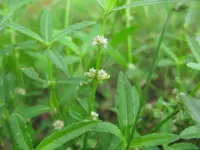
Edge Containment Strategy

Install a shallow physical edging strip 5–8 cm deep around beds to limit lateral spread of roots and stems, making it easier to manage this vigorous groundcover over time.

Moisture Buffer Mulch

Apply a thin, open-textured mulch layer (such as fine bark or coarse compost) around but not over the stems to stabilize soil moisture and reduce surface compaction without creating soggy conditions.

Non-chemical Weed Control

Use hand weeding and a narrow hoe to remove taller or more aggressive weeds early, so the mat-forming habit can close gaps and provide its own living weed-suppressing cover.

Seasonal Rejuvenation Cut

In late winter or early spring, shear back old, tangled stems to 5–10 cm above soil level to stimulate dense new growth and maintain an even, attractive carpet when growing Lesser Joyweed.

Common Pests and Diseases

Spider mites

This pest often appears on stressed plants in hot, dry conditions, causing fine stippling and a dull, dusty look on leaves. Symptoms include webbing on stems and undersides of leaves and gradual yellowing or bronzing of foliage.

Solution

Rinse foliage thoroughly with a firm stream of water, including leaf undersides, then repeat every few days to break the life cycle; for heavier infestations, use insecticidal soap or a ready-to-use horticultural oil labeled for mites. Improve humidity around the plant and avoid letting it dry out severely, as consistent moisture and good vigor make spider mite outbreaks less likely when growing Lesser Joyweed.

Aphids

These insects cluster on fresh shoots and leaf undersides, sucking sap and causing curling, distortion, and sticky honeydew on foliage. Ant activity on or around stems often indicates their presence.

Solution

Trim and discard heavily infested shoot tips, then wash remaining stems and leaves with a strong water spray to dislodge aphids. If needed, apply insecticidal soap or neem-based spray to all green parts in the evening, repeating every 5–7 days until no new colonies appear.

Leaf spot (fungal)

This disease produces small water-soaked or brown spots on leaves that may enlarge, merge, and lead to premature leaf drop, especially in dense, wet plantings. Symptoms include most severe damage on lower, older foliage where moisture lingers longer.

Solution

Remove and discard affected leaves promptly and avoid overhead watering so foliage dries quickly. Thin dense patches to improve air movement and, in persistent cases, use a broad-spectrum fungicide labeled for ornamental foliage plants according to label directions.

Powdery mildew

This disease shows as white to gray powdery patches on leaf surfaces, which can lead to distortion and dull, faded foliage. Symptoms include worst development in crowded, shaded, or poorly ventilated sites, even when conditions are not especially wet.

Solution

Increase light and airflow by spacing plants and trimming overly dense growth, and avoid heavy nitrogen fertilization that encourages soft, susceptible tissue. Remove the most affected leaves and, if needed, apply a sulfur or potassium bicarbonate product labeled for powdery mildew, coating both upper and lower leaf surfaces.

Interesting Facts

Australian wetland specialist

This species is native to Australia and is most often found in moist to wet habitats such as creek margins, floodplains, and seasonally waterlogged soils, where it can tolerate short-term inundation.

Creeping, rooting stems

Its slender stems creep along the ground and root at the nodes, allowing the plant to form low, spreading mats that help stabilize soil along water edges and disturbed sites.

Food source for wildlife

In its native range, this species contributes to wetland food webs, providing cover and forage for small invertebrates and helping support aquatic and semi-aquatic organisms in shallow-water zones.

FAQs about Lesser Joyweed

This species can spread steadily through stems that root at the nodes, especially in moist conditions, but is usually manageable in gardens. Regular trimming and defined bed edges help prevent unwanted spread or escape into natural waterways.

Grow Healthy Plants with Botan Care

Keep your plants happy and healthy with plant identification, disease detection, and easy care guidance.

Botan plant care app — identify plants on mobile

Explore More Plants